
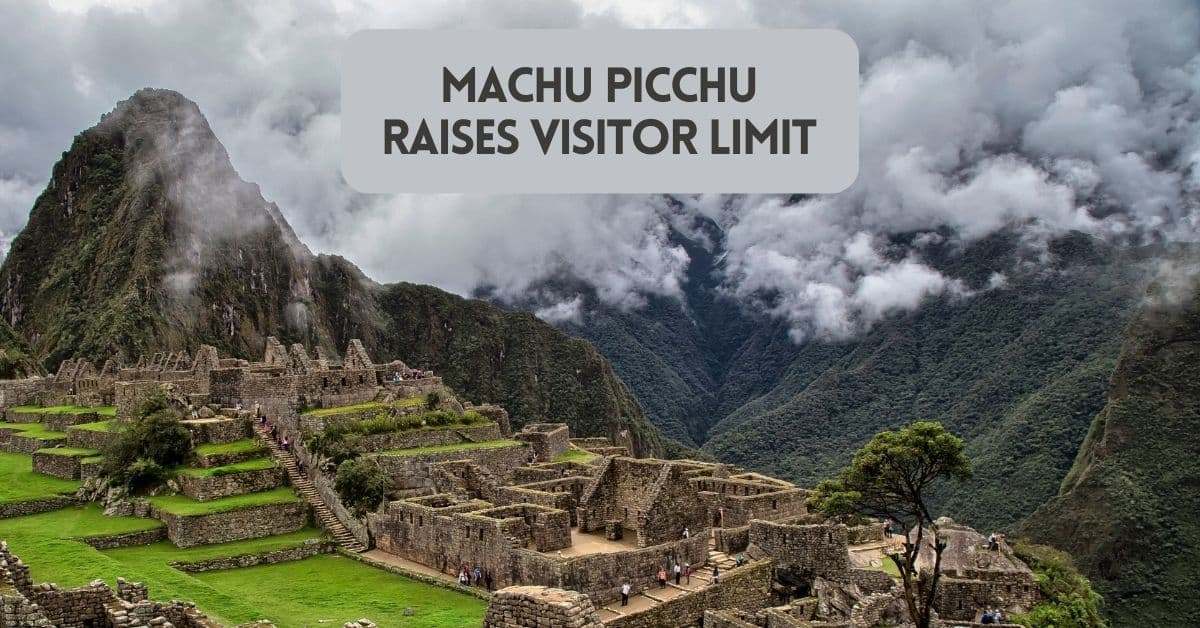
Machu Picchu Modifies Visitor Limits in 2026
Few travel experiences compare to watching the sunrise over the granite citadel of Machu Picchu. It is the crown jewel of Inca Land, a destination that tops bucket lists worldwide. However, the days of showing up and wandering freely through the ruins are long gone. In 2026, Peru’s Ministry of Culture is implementing strict new protocols to balance tourism demand with the preservation of this UNESCO World Heritage site.
If you are planning a trip to the Andes in 2026, understanding these changes is not just helpful—it is essential. From specific visitor caps to rigid circuit systems, here is everything you need to know to secure your spot at the Wonder of the World.
The Places Where We Go contains affiliate links and is a member of the Amazon Services LLC Associates Program. As an Amazon Associate, we earn from qualifying purchases at no extra cost to you when you purchase using one of these Amazon links. Read our disclaimer and privacy policy for more information.
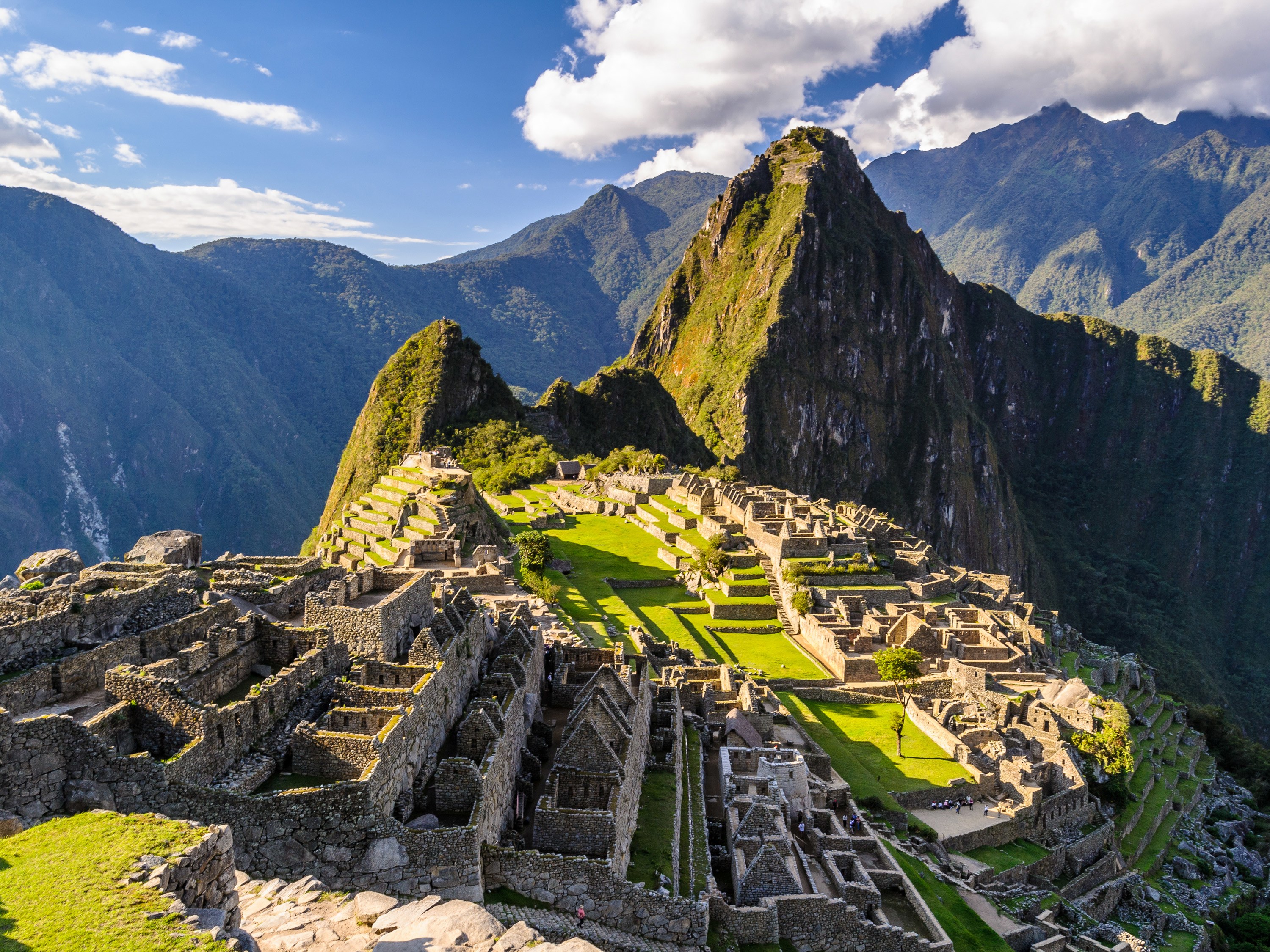
Zielonamapa.pl, CC BY-SA 2.0 https://creativecommons.org/licenses/by-sa/2.0, via Wikimedia Commons
“Few romances can ever surpass that of the granite citadel on top of the beetling precipices of Machu Picchu, the crown of Inca Land.”
Hiram Bingham
Machu Picchu Visitor Limit to Increase
For years, visitor numbers at Machu Picchu have fluctuated as officials try to find the “sweet spot” between accessibility and conservation. For 2026, a clear two-tiered capacity system has been established. The maximum capacity will vary by time of year, with a focus on crowd control during holiday periods and the dry season.
Peak Season Capacity
During peak dates, the site will welcome up to 5,600 visitors per day. These dates are specifically chosen to accommodate high demand during international holidays and the best weather months.
Peak Season Dates for 2026:
- January 1
- April 2–5 (Easter Period)
- June 19 – November 2
- December 30–31
Standard Season Capacity
On all other days of the year, the daily cap is 4,500 visitors. While this might seem like a reduction, it is designed to improve the quality of the visit and reduce wear and tear on the archaeological site during the shoulder and rainy seasons.
These caps are strictly enforced. Once the daily ticket allotment is sold out, no additional entry is permitted. This makes last-minute trips nearly impossible, reinforcing the need for strategic planning.
Navigating the New Circuit System
Perhaps the most significant change for returning travelers is the elimination of the “free-roaming” model. In the past, you could explore the citadel at your own pace, doubling back to see favorite spots. In 2026, this is no longer possible.
To manage foot-traffic flow and protect fragile stone structures, visitors must now select a specific circuit when purchasing their ticket. You cannot switch circuits once inside, and you cannot re-enter a sector once you leave it.
Understanding the 4 Circuits
The site is divided into four distinct routes, each offering a different experience:
- Circuit 1 (Panoramic): Focuses on the upper terraces and the Guard House sector. This is the route for the classic postcard photo of Machu Picchu but excludes the urban sector and lower ruins.
- Circuit 2 (Classic/Urban): Explores the lower urban sectors, residential compounds, and agricultural zones. This offers a look into daily Inca life but does not access the highest viewpoints.
- Circuit 3 (Temples): Offers exclusive access to ceremonial structures such as the Temple of the Sun, the Royal Tomb, and the Sacred Rock. This is ideal for history buffs interested in the site’s astronomical and religious significance.
- Circuit 4 (Adventure): Reserved generally for those hiking Huayna Picchu or Machu Picchu Mountain. These tickets are specific and operate independently of the main citadel tours.
Essential Rules for Visiting in 2026
Beyond ticket limits and circuits, operational rules at Machu Picchu have been tightened to align with UNESCO sustainability guidelines.
Strict Timed Entry
Your ticket will include a specific entry time (e.g., 6:00 AM – 7:00 AM). This is not a suggestion; it is a mandatory window.
- Arrive Early: You should be at the main entrance 30 to 45 minutes before your slot to clear security.
- No Late Entry: If you miss your 1-hour window, you will likely be denied entry with no refund. The days of flexible arrival times are over.
- Time Limits: Visits are capped at 4 hours per circuit. Staff monitor the flow to ensure groups keep moving.
Prohibited Items and Behavior
To protect the ecosystem, stringent bans are in place:
- Single-Use Plastics: Water bottles, bags, and food wrappers made of single-use plastic are banned. You must use reusable canteens. Staff can confiscate prohibited items at the gate.
- Photography Gear: Tripods, monopods, and selfie sticks require special permits and fees. Drones are strictly prohibited for casual visitors; any use results in confiscation and fines.
- Bags: Large backpacks (over 40 liters) are not permitted inside; they must be stored in lockers at the entrance.
Hiring a Guide
While independent exploration is technically allowed for individuals, the complexity of the one-way circuit system makes hiring a guide highly recommended. For groups of more than 10 people, a licensed guide is mandatory.
How to Secure Your Tickets
With the new daily caps, booking tickets months in advance is crucial. During the peak season (June through August), tickets can sell out weeks or even months ahead of time.
Tickets are sold through official government channels, specifically tuboleto.cultura.pe. Be wary of third-party resellers claiming availability on sold-out dates, as ticket scalping is closely monitored and IDs are checked against ticket names at the gate.
Background on Machu Picchu
Machu Picchu, often called “the lost city of the Incas,” captivates travelers with its ancient allure. Discovered in 1911 by American explorer Hiram Bingham, this 15th-century citadel was designated a UNESCO World Heritage site in 1983. With its rich history and remarkable architecture, Machu Picchu has been a must-visit destination for culture seekers worldwide.
Machu Picchu Mountain
Machu Picchu Mountain, also known as Montaña Machu Picchu, is the highest mountain in the area at 3082 meters (10111 feet). Located in the Machu Picchu District of the Urubamba Province, Cusco Region, it rises in the southern area of the Machu Picchu Citadel.
The name “Machu Picchu” comes from the Quechua words “Machu,” meaning ancient or great, and “Picchu,” meaning mountain, translates to “great mountain.”
It’s important to note that Machu Picchu Mountain and Machu Picchu Citadel are not the same.
When booking a tour or purchasing entrance tickets, you gain access to the Machu Picchu Citadel, but not necessarily the mountain. If you wish to hike the mountain, you’ll need a separate permit. Visiting Machu Picchu does not require hiking Machu Picchu Mountain, as it is an optional experience. However, if you decide to tackle the mountain, keep in mind that an entrance fee and advanced booking are required.
Balancing Tourism with Conservation
Considering the rising popularity of the site, Peru’s decision to increase the visitor cap is a positive step towards reviving the nation’s tourism industry. In pre-pandemic times, Peru welcomed a staggering 4.5 million visitors in 2020. However, due to global circumstances, the country expects a reduced number of approximately 2.2 million visitors by the end of 2023. This change indicates the importance of preserving Machu Picchu while maintaining the delicate balance between accessibility and conservation.
Is the Montaña Machu Picchu hike worth it?
The climb up can be challenging, with the intense sun and moments of self-doubt along the trail. However, once you reach the majestic mountaintop, you will be rewarded with breathtaking views of Machu Picchu, the Inca Trail, and the surrounding mountains. So, despite the difficulties, the experience and the panoramic beauty make the Montaña hike well worth it.
Stay Alert – Peru Travel Advisory
Note: As of mid-2025, the U.S. Department of State had a level 2 advisory for traveling to Peru. Exercise increased caution due to crime, civil unrest, and the possibility of kidnapping. Some areas have an increased risk. Read the entire Travel Advisory.
Stay updated with the latest travel advisories and guidelines before planning your visit.
Make Your Plans to Visit Machu Picchu
The regulations for Machu Picchu may seem rigid, but they serve a vital purpose: ensuring this wonder of the world survives for future generations. By understanding the circuit system, respecting the visitor limits, and booking early, you can ensure your journey to the Inca citadel is seamless.
The magic of the Andes is waiting. If you are ready to navigate the new rules and experience the history of Peru, start planning your itinerary today.
#macchupicchu
Click to book Machu Picchu Tour From Cusco Full Day Tour

