
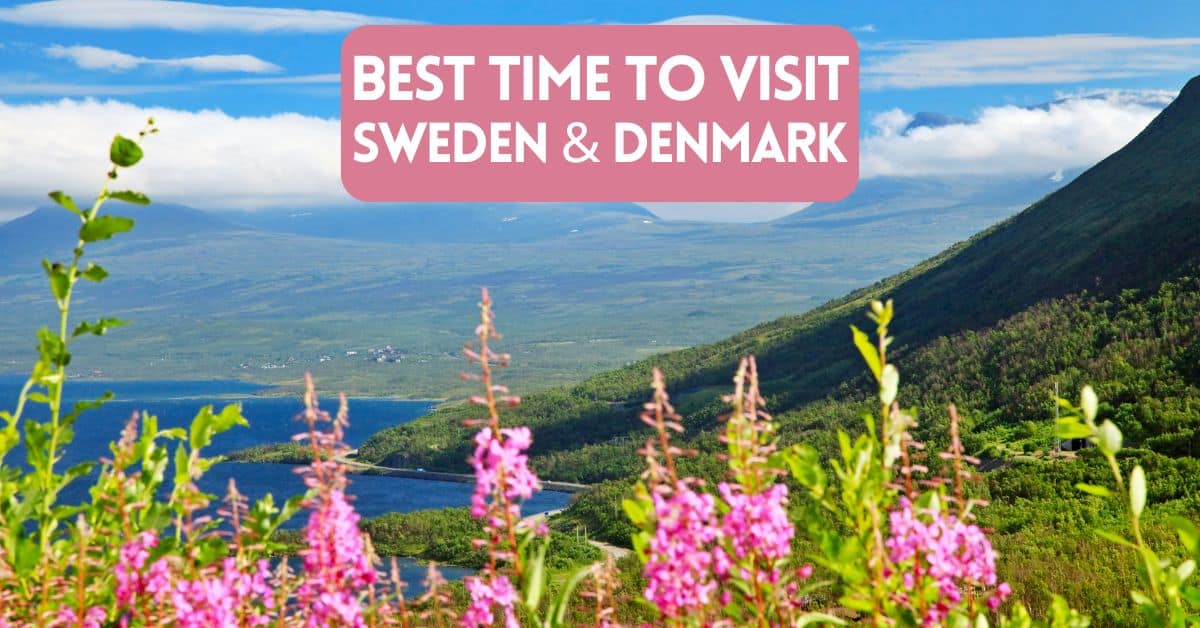
Best Time to Visit Sweden and Denmark: Your Ultimate Seasonal Guide
Are you dreaming of wandering down cobblestone streets, chasing the Northern Lights, or sipping coffee by a canal in Copenhagen? You might be wondering when the best time is to visit this area. The Scandinavian countries of Sweden and Denmark are calling your name, and we’re here to help you decide when to plan your trip!
Choosing the best time to visit Sweden and Denmark depends entirely on what kind of adventure you’re looking for. Are you a sun-seeker yearning for endless daylight hours and island hopping in the Stockholm Archipelago? Or are you a winter wanderer hoping to experience the magic of Christmas markets and perhaps catch a glimpse of the Aurora Borealis?
The truth is, there isn’t one single “perfect time” for everyone. These Nordic countries undergo dramatic transformations throughout the year, offering distinct seasons that each bring their own unique charm. From the Midnight Sun in the far north to the cozy “hygge” vibes of winter in the big cities, every month offers a different flavor of Scandinavia.
In this guide, we’ll break down everything you need to know about the weather, crowds, and unique experiences available in each season. Whether you’re planning a city break to explore medieval towns or an epic road trip through national parks, we’ll help you pinpoint the best time of year to make your Scandinavian travel dreams a reality.
The Places Where We Go contains affiliate links and is a member of the Amazon Services LLC Associates Program. As an Amazon Associate, we earn from qualifying purchases at no extra cost to you when you purchase using one of these Amazon links. Read our disclaimer and privacy policy for more information.

Photo: possan, CC BY 2.0 https://creativecommons.org/licenses/by/2.0, via Wikimedia Commons
Get Free Weekly Travel News Updates

Winter: A Snowy Wonderland (December – February)
If you aren’t afraid of the cold, winter in Sweden and Denmark is nothing short of magical. While the days are short and the temperatures drop, the atmosphere is incredibly cozy and festive.
Weather and Conditions
Prepare for winter weather! In southern Sweden and Denmark, temperatures often hover around freezing (32°F / 0°C), with frequent rain or sleet. As you move further north into Sweden, snow is guaranteed, and temperatures can plummet well below freezing. Daylight hours are limited—expect as little as 6 hours in the south and total darkness in the Arctic Circle during mid-winter.
Pros of Visiting in Winter
- Northern Lights: This is the best time to visit Northern Sweden (such as Swedish Lapland) to see the Aurora Borealis. The long, dark nights provide the perfect canvas for this natural wonder.
- Christmas Markets: In early December, cities like Stockholm and Copenhagen transform into festive wonderlands. The markets at Tivoli Gardens in Copenhagen and Gamla Stan (Old Town) in Stockholm are absolute must-visits.
- Winter Sports: For winter sports enthusiasts, this is the high season for skiing and snowboarding in the high mountains of Sweden.
- Fewer Crowds: Outside of the holiday weeks, you’ll encounter fewer tourists in the city center museums and attractions compared to the summer months.
- Cozy Vibes: Embrace the Danish concept of “hygge” (coziness) in cafes and restaurants. It’s the perfect time for hot chocolate and pastries.
Cons of Visiting in Winter
- Cold Temperatures: You need to pack heavy winter gear—thermal layers are non-negotiable.
- Short Days: With limited daylight, you have less time for sightseeing outdoors.
- Closures: Some attractions in rural areas may be closed or have reduced hours.
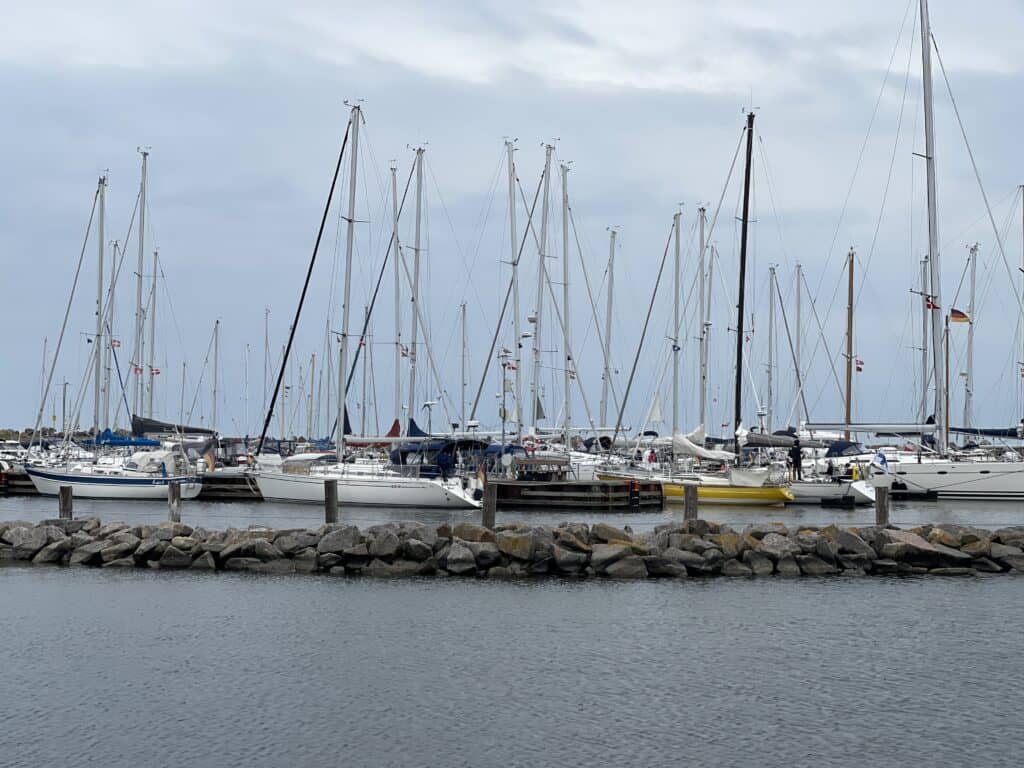
Spring: Nature Awakens (March – May)
Spring is a season of transition. The snow melts, the days get longer, and the landscapes start to turn green. It’s a fantastic shoulder season for those who want a mix of indoor culture and outdoor exploration.
Weather and Conditions
March can still feel like winter, especially in the north. However, by late May, southern regions experience milder temperatures and longer days. Daily average temperatures range from 35°F to 60°F (2°C to 15°C). It can be unpredictable, so layers are your best friend!
Pros of Visiting in Spring
- Blooming Nature: Witness the beautiful landscapes coming back to life. Parks and green landscapes start to bloom, making it a great time for walks.
- Lower Prices: Flights and accommodation prices are generally lower than in the peak season.
- Cultural Events: Easter festivities and Walpurgis Night (April 30th) bring locals out to celebrate the arrival of spring with bonfires and singing.
- Waterfall Season: In Sweden, the melting snow creates powerful waterfalls, which are spectacular to see in the national parks.
Cons of Visiting in Spring
- Unpredictable Weather: You might experience rain, wind, and sun all in one day.
- Muddy Trails: If you’re planning hiking travel plans, be aware that trails can be muddy from the thaw.
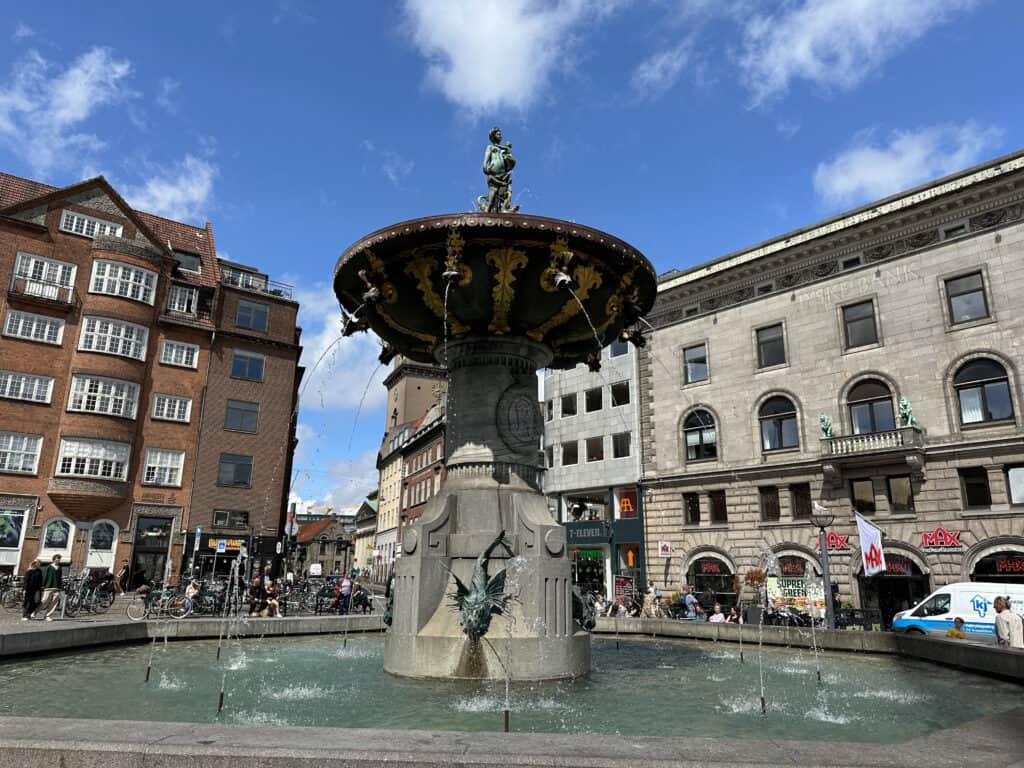
Summer: The Land of the Midnight Sun (June – August)
Summer is undeniably the most popular months for tourism in Scandinavia. The cities come alive, the locals are out in droves, and the sun barely sets.
Weather and Conditions
This is when you’ll find the warmest weather. Daily temperatures are comfortable, ranging from 60°F to 75°F (15°C to 25°C), though heatwaves can happen. The phenomenon of the Midnight Sun occurs in the far north, where the sun doesn’t set for weeks. Even in the south, you’ll enjoy incredible hours of daylight, with twilight lasting late into the night.
Pros of Visiting in Summer
- Outdoor Activities: It’s the best time for outdoor activities like hiking, kayaking, and swimming in the Baltic Sea or the stunning lakes.
- Midsummer: In early June (specifically late June in Sweden), the Midsummer celebrations are legendary. Expect flower crowns, dancing around the maypole, and plenty of herring and schnapps.
- Stockholm Archipelago: The summer months are ideal for hopping on a ferry and exploring the thousands of islands in the Stockholm Archipelago.
- Open Attractions: Everything is open! From open-air museums to remote medieval towns, you’ll have full access.
- Vibrant Cities: Cities like Copenhagen and Stockholm are buzzing with energy. People fill the parks, outdoor cafes, and waterfronts.
Cons of Visiting in Summer
- Crowds: Popular spots like Gamla Stan and Tivoli Gardens can get very crowded with tourists.
- Higher Prices: Expect accommodation prices and flights to be at their peak. You’ll need to book well in advance.
- Midnight Sun Sleep: The long days can mess with your sleep schedule if you aren’t used to it—bring an eye mask!
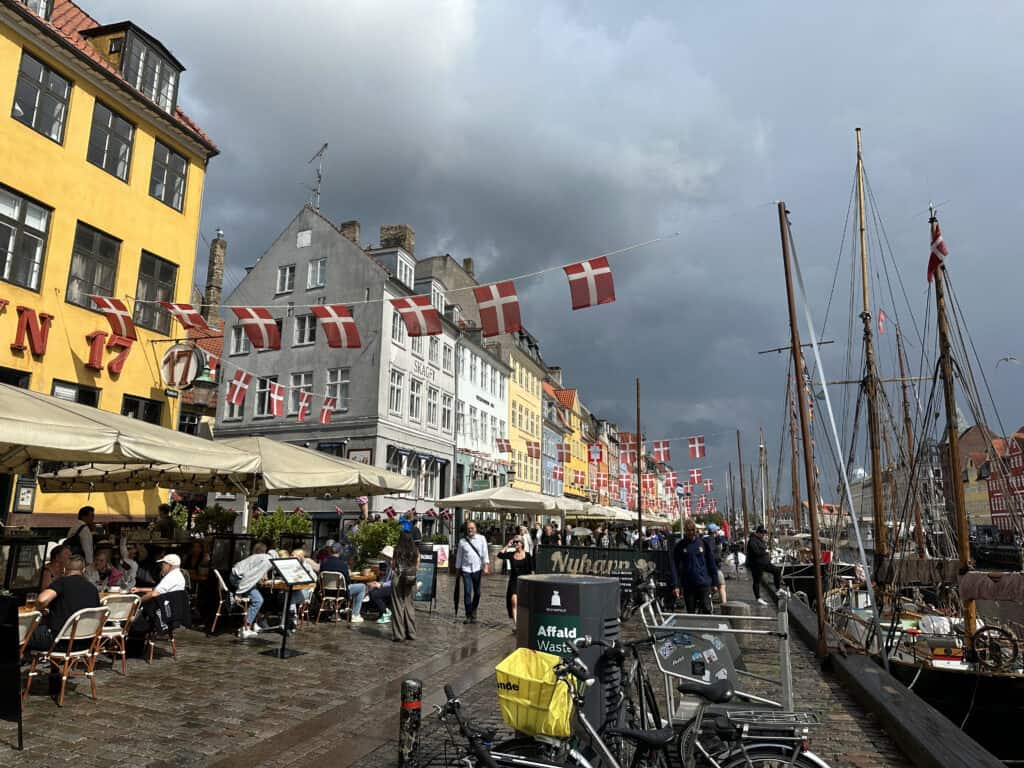
Autumn: Golden Hues and Cozy Nights (September – November)
Autumn is a visually stunning time to visit, characterized by crisp air and vibrant fall foliage. It’s a quieter time to explore before the deep winter sets in.
Weather and Conditions
Early September can still offer pleasant temperatures and sunny days, often referred to as an “Indian Summer.” However, by late November, the winter weather begins to creep in, bringing shorter days and the first snow in the north. Daily temperatures drop steadily from around 55°F (13°C) in September to near freezing in November.
Pros of Visiting in Autumn
- Fall Foliage: The changing leaves create beautiful landscapes, especially in the countryside and forests. It’s a photographer’s dream.
- Shoulder Season Benefits: You’ll find fewer tourists and better deals on hotels compared to summer. It’s arguably the cheapest time to travel before the Christmas rush.
- Harvest Festivals: Enjoy local food festivals and markets showcasing the season’s bounty.
- Cultural Experience: Museums and galleries launch their new exhibitions, offering a new look at local culture.
Cons of Visiting in Autumn
- Shorter Days: The daylight fades quickly, especially in late November.
- Rain and Wind: November is notoriously gray and wet, which some might consider a bad time for outdoor exploration.
Monthly Highlights: What to Expect When
To help you refine your travel plans, here is a snapshot of what makes specific months special:
June
- The Vibe: Energetic and joyful. This is the start of the high season.
- Top Event: Midsummer! In Sweden, this is arguably bigger than Christmas. Head to the countryside or Skansen in Stockholm for the full experience.
- Best For: Experiencing the Midnight Sun and endless daylight hours.
July
- The Vibe: Peak vacation mode. Locals take their holidays, and tourists flock to the sights.
- Top Activity: Island hopping in the Stockholm Archipelago or relaxing on the beaches of Denmark.
- Best For: Warm weather and maximum outdoor activities.
August
- The Vibe: Relaxed late summer. The warm weather lingers, but the evenings start to cool down.
- Highlight: The crayfish parties (Kräftskiva) in Sweden are a unique culinary tradition.
- Best For: Catching the tail end of summer festivals like the Copenhagen Cultural Harbour Festival in late August.
December
- The Vibe: Festive and cozy. Despite the dark, the lights make it beautiful.
- Top Attraction: The Christmas markets. Tivoli Gardens in Copenhagen is particularly enchanting with its lights and decorations. Stortorget in Gamla Stan is a classic.
- Best For: Holiday spirit, shopping for handicrafts, and enjoying glögg (mulled wine).
Essential Tips for Your Scandinavian Adventure
Planning a trip to Nordic countries requires a bit of strategy to ensure you have a good time. Here are some insider tips:
- Book in Advance: especially if you plan to visit during the summer months or early December. Accommodation prices skyrocket, and the best places sell out fast.
- Pack Smart: Even in summer, the weather can be fickle. Bring layers, a waterproof jacket, and comfortable walking shoes for those cobblestone streets. In winter, thermal underwear is a must.
- Use Public Transport: The public transport systems in Sweden and Denmark are excellent. A train journey between cities is comfortable and scenic. Download local apps for easier access to tickets and schedules.
- Go Cashless: Scandinavia is largely cashless. Credit cards are accepted almost everywhere, even for small purchases.
- Explore Beyond the Capitals: While Stockholm and Copenhagen are amazing, don’t miss the medieval towns, national parks, and coastal gems. A local guide can help you find hidden spots. We enjoyed a visit to Kronborg Castle in Elsinore. You can watch this visit on our YouTube video of Kronborg Castle.
- Check the Calendar: Look for local holidays. Midsummer in Sweden, for example, means many shops and restaurants in the city close as everyone heads to the countryside.
Conclusion: When Will You Go?
So, when is the best time to visit Sweden and Denmark?
If you want long days, vibrant street life, and island adventures, aim for June to August.
If you dream of snowy landscapes, the Northern Lights, and cozy markets, December to February is your window.
For fewer crowds, lower prices, and beautiful nature, consider the shoulder seasons of May or September.
No matter when you choose to go, Sweden and Denmark offer beautiful landscapes, rich history, and welcoming cultures. Listen to what calls to you—whether it’s the midnight sun or the northern lights—and start planning your Scandinavian escape today.
Your adventure awaits in the north!
