What Every New Camper Needs to Know About Finding Great Campgrounds
Choosing the right campground can transform a good camping trip into an unforgettable adventure. We’ve experienced plenty of scenarios – from tent camping to RV camping, sunny weather camping to rain and snow experiences. Whether you’re pitching your first tent or planning a family RV getaway, the perfect campground sets the stage for memories that last a lifetime. This guide walks you through everything you need to know about finding great campgrounds that match your needs, preferences, and camping style.
The Places Where We Go contains affiliate links and is a member of the Amazon Services LLC Associates Program. As an Amazon Associate, we earn from qualifying purchases at no extra cost to you when you purchase using one of these Amazon links. Read our disclaimer and privacy policy for more information.
Understanding Your Camping Needs
Before you start browsing campground websites, take a moment to think about what kind of camping experience you’re after. Your ideal campground depends on several factors, from the type of camping you prefer to who’s joining you on the adventure.
Types of Camping
Tent Camping
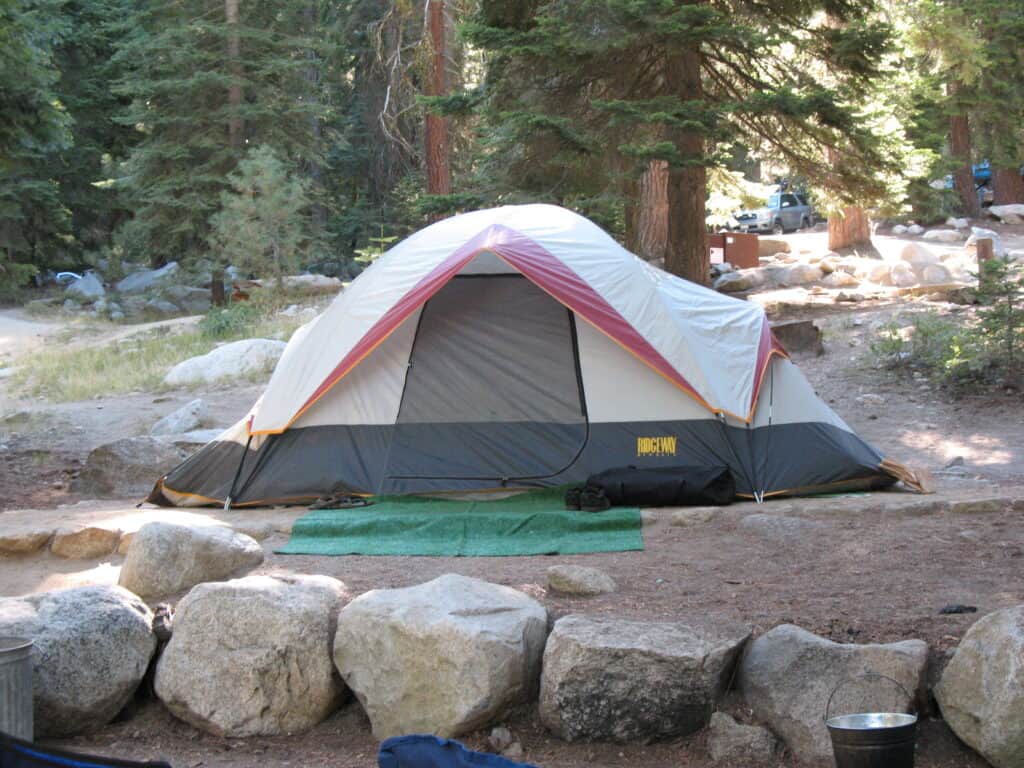
Tent camping offers the most authentic outdoor experience. You’ll want to look for campgrounds with level tent pads, fire rings, and nearby water sources. Many tent-only sites provide a quieter atmosphere since they’re separated from RV areas.
RV Camping
RV camping requires specific amenities like electrical hookups, water connections, and dump stations. Check the maximum RV length allowed at each site, as some campgrounds can’t accommodate larger motorhomes or fifth wheels. Full hookups (water, electric, and sewer) make your stay more comfortable, but they’re not always necessary for shorter trips.
Cabin Camping
Cabin camping bridges the gap between traditional camping and hotel stays. Cabins range from rustic structures with just four walls and a roof to fully equipped retreats with kitchens, bathrooms, and heating. They’re perfect for families with young children or anyone looking to dip their toes in the world of camping without investing in gear.
Get Free Weekly Travel News Updates

Group Size and Demographics
The makeup of your camping party significantly influences your campground choice. A romantic getaway for two calls for different amenities than a multi-family reunion or a solo wilderness retreat.
Family Camping
Families with children benefit from campgrounds offering playgrounds, swimming areas, and organized activities. Look for sites with easy access to restrooms and showers, especially if you’re traveling with young kids. Many family-friendly campgrounds also feature nature programs and junior ranger activities.
Group Camping
Planning a trip with friends? Seek out campgrounds with group sites that can accommodate multiple tents or RVs. These areas typically include larger fire rings and picnic areas where everyone can gather.
Solo Adventures
Solo campers might prioritize quieter campgrounds with good cell service and proximity to hiking trails. Some campgrounds offer smaller, more secluded sites perfect for those seeking solitude.
Key Factors When Choosing a Campground
Location
Proximity to Home
Consider how far you’re willing to drive. A campground within a few hours lets you maximize your time outdoors rather than on the road. For weekend trips, staying closer to home means more time enjoying nature and less time traveling.
Scenic vs. Accessible Locations
Remote campgrounds in wilderness areas offer stunning views and true escape from daily life, but they may lack conveniences like camp stores or nearby hospitals. More accessible campgrounds near towns provide peace of mind and easy resupply options, though they might feel less secluded.
Amenities and Facilities
Basic Infrastructure
Clean, well-maintained restrooms and showers are non-negotiable for many campers. Check whether facilities have hot water and how far they are from your potential campsite. For RV campers, electrical hookups (30 or 50 amp), water connections, and dump stations might be essential.
Campsite Features
Most established campgrounds provide picnic tables and fire pits at each site. Some also offer bear boxes for food storage in areas with wildlife. If you’re camping in bear country, proper food storage isn’t just convenient—it’s a safety requirement.
Activities and Recreation Options
The best campgrounds offer more than just a place to sleep. Look for locations near activities that match your interests.
Outdoor Adventures
Hiking trails of varying difficulty levels let everyone in your group find the right challenge. Water-based activities like fishing, swimming, or kayaking add variety to your trip. Some campgrounds sit near lakes or rivers with boat launches, while others provide beach access.
Organized Programs
Many public campgrounds offer ranger-led programs, guided nature walks, and evening campfire programs. These activities help you learn about the area’s ecology, history, and wildlife.
Safety and Regulations
Campground Rules
Every campground has its own set of rules. Common regulations include quiet hours (typically 10 PM to 6 AM), pet policies, and fire restrictions. Some campgrounds prohibit generators or limit their use to certain hours.
Safety Considerations
Research the area’s wildlife and weather patterns. Campgrounds in bear country require different precautions than those in areas without large predators. Check weather forecasts and be prepared for sudden changes, especially in mountainous regions.
Researching Campgrounds
Online Resources
This official government website lists thousands of campgrounds on federal lands, including national parks, national forests, and Army Corps of Engineers sites. You can filter by location, amenities, and availability. The site provides detailed information about each campground, including photos, reviews, and precise directions.
ReserveAmerica covers state parks and some county and regional parks. Like Recreation.gov, it offers advanced search filters and real-time availability.
Camping Apps and Blogs
Specialized camping apps provide user reviews, photos, and tips from fellow campers. Travel blogs often feature detailed campground reviews with insider knowledge you won’t find on official websites. One of our most frequently used camping apps is Campendium.
Reviews and Recommendations
Reading Reviews
Take time to read recent reviews from other campers. Look for consistent themes—if multiple reviews mention dirty bathrooms or noisy neighbors, take note. Pay attention to reviews from campers with similar needs (families, RVers, tent campers) for the most relevant insights. Our favorite traveler review site is TripAdvisor.
Personal Recommendations
Ask friends and family about their favorite campgrounds. Their firsthand experiences can point you toward hidden gems or warn you away from disappointing locations.
Visiting Campgrounds
Advance Scouting
If possible, visit a campground before making a reservation. Walking through the grounds gives you a feel for site spacing, cleanliness, and overall atmosphere. You can check out amenities, nearby trails, and scenic spots.
We often use Google maps to scope out the lay of the land on campsites before booking reservations.
What to Look For
During your visit, assess the distance between sites, the condition of roads and paths, and cell phone coverage. Notice whether sites offer privacy through vegetation or if they’re exposed. Check how level the tent pads or RV sites are, and observe the general vibe—some campgrounds attract party crowds while others maintain a peaceful atmosphere.
Making a Reservation
When to Make Reservations
Peak Season Planning
Popular campgrounds fill up quickly, especially during summer weekends and holidays. Many campgrounds open reservations six months in advance. For highly sought-after locations like national parks, you’ll want to book as soon as reservations open.
And by “as soon” we mean the day, minute, and second that reservations open. Popular campgrounds can be very competitive. If you have your eye on a specific site, you have to be ready to compete for the experience.
Flexibility Advantages
Weekday camping and shoulder seasons (spring and fall) often provide more availability and lower fees. If you can be flexible with dates, you’ll have better luck securing prime sites.
Types of Reservations
Advanced Reservations vs. First-Come, First-Served
Reserved sites guarantee you’ll have a spot when you arrive, providing peace of mind and allowing detailed trip planning. First-come, first-served sites work well for flexible travelers and can offer last-minute opportunities, but you risk finding no available spots.
Cancellation Policies
Understand cancellation deadlines and refund policies before booking. Most campgrounds charge cancellation fees and require notice several days in advance. Some platforms allow you to modify reservations, which is helpful if your plans change.
Preparing for Your Camping Trip
What to Pack
Essential Camping Gear
Your packing list depends on your camping style, but basics include a quality tent (for tent campers), sleeping bags rated for expected temperatures, sleeping pads for comfort, and headlamps or flashlights. Don’t forget a first aid kit, matches or a lighter, and rope for hanging food or wet clothes.
Cooking and Food Storage
Pack a camp stove or plan to cook over the fire. Bring coolers with plenty of ice for perishables, and store food in sealed containers to prevent attracting wildlife. Many campgrounds provide food lockers, but it’s wise to bring your own bear-proof containers if camping in bear country.
Safety Preparations
First Aid and Emergency Plans
A well-stocked first aid kit should include bandages, antiseptic wipes, pain relievers, and any personal medications. Know the location of the nearest hospital and have emergency contact numbers saved in your phone. Let someone at home know your itinerary and expected return date.
Campfire Safety
Only build fires in designated fire rings. Keep fires small and manageable, and never leave them unattended. Always have water or a shovel nearby to extinguish the fire completely before leaving your site or going to sleep. Check for fire restrictions, as many areas ban campfires during dry conditions.
Start Planning Your Next Adventure
Finding the perfect campground takes some research, but the effort pays off in incredible outdoor experiences. Start by identifying your camping style and needs, then use online resources and reviews to narrow down your options. Book early for popular destinations, and pack thoughtfully for a comfortable, safe trip.
Ready to discover your ideal campground? Browse Recreation.gov to explore thousands of options across the country, from secluded wilderness sites to family-friendly campgrounds with all the amenities. Your next great outdoor adventure is waiting—start planning today and create memories that will last a lifetime.
Frequently Asked Questions
How far in advance should I book a campsite?
For popular campgrounds, book as soon as reservations open—typically six months ahead. Less busy campgrounds may have availability with just a few weeks’ notice. Weekday sites and shoulder-season dates are easier to secure on short notice.
What’s the difference between developed and primitive campgrounds?
Developed campgrounds offer amenities like flush toilets, showers, potable water, and often electrical hookups. Primitive campgrounds provide minimal facilities, usually just a fire ring and pit toilet, offering a more rustic experience.
Can I camp without a reservation?
Some campgrounds operate on a first-come, first-served basis. Arrive early in the day for the best chance of finding an available site, especially on weekends. Dispersed camping on public lands is another option, though it requires more self-sufficiency.
What should I do if all campsites are booked?
Check for cancellations regularly, as people often change plans. Consider nearby alternative campgrounds, or look into dispersed camping options. Some campgrounds also maintain waitlists.
Are campgrounds pet-friendly?
Many campgrounds welcome pets, but rules vary. Common requirements include keeping dogs on leashes, cleaning up after them, and not leaving them unattended at campsites. Always verify pet policies before booking.
Thanks for stopping by to read this article on finding great campgrounds. We hope you’ve found the information useful. Happy camping!
Julie & Art
The Places Where We Go
