
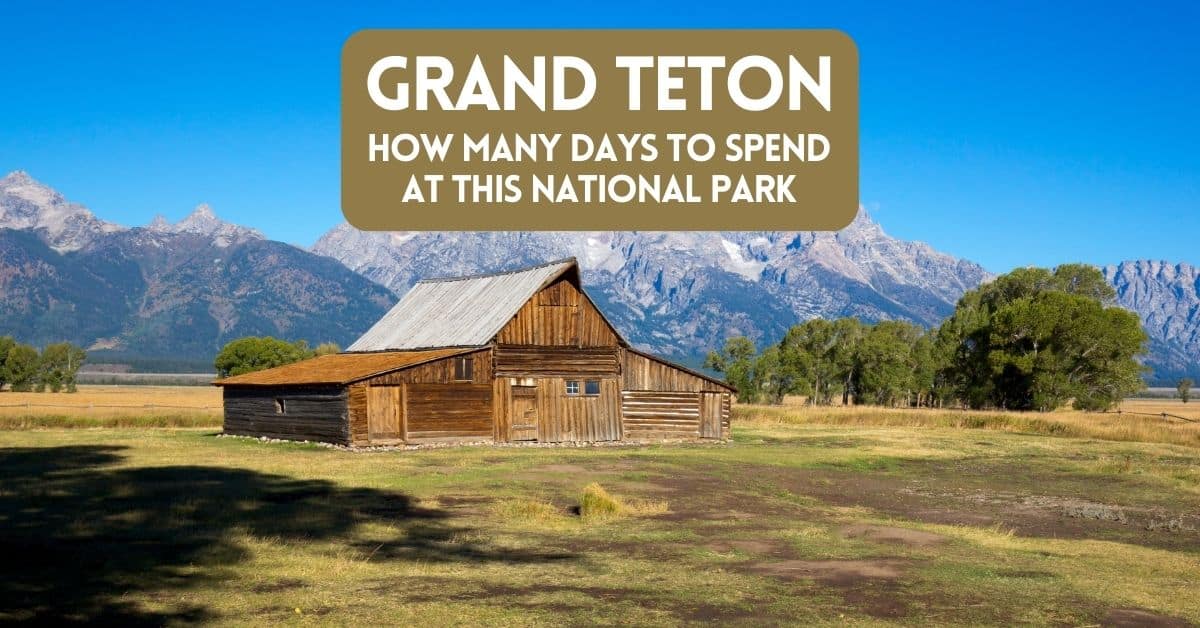
How Many Days in Grand Teton National Park? 1–7 Day Itinerary Guide
Last reviewed and updated: August 2026
Grand Teton National Park may look compact on a map, but there is enough to see and do here to easily fill several days. Between scenic drives, mountain viewpoints, wildlife watching, lakeside walks, and hiking trails, one of the first questions to answer when planning a trip is: How many days do you need in Grand Teton National Park?
For most first-time visitors, we recommend spending 2 to 3 full days in Grand Teton National Park. Two days gives you enough time to see many of the park’s signature sights without rushing from stop to stop. With three days, you can slow down, add a longer hike or another outdoor activity, and give yourself more opportunities for wildlife viewing and photography.
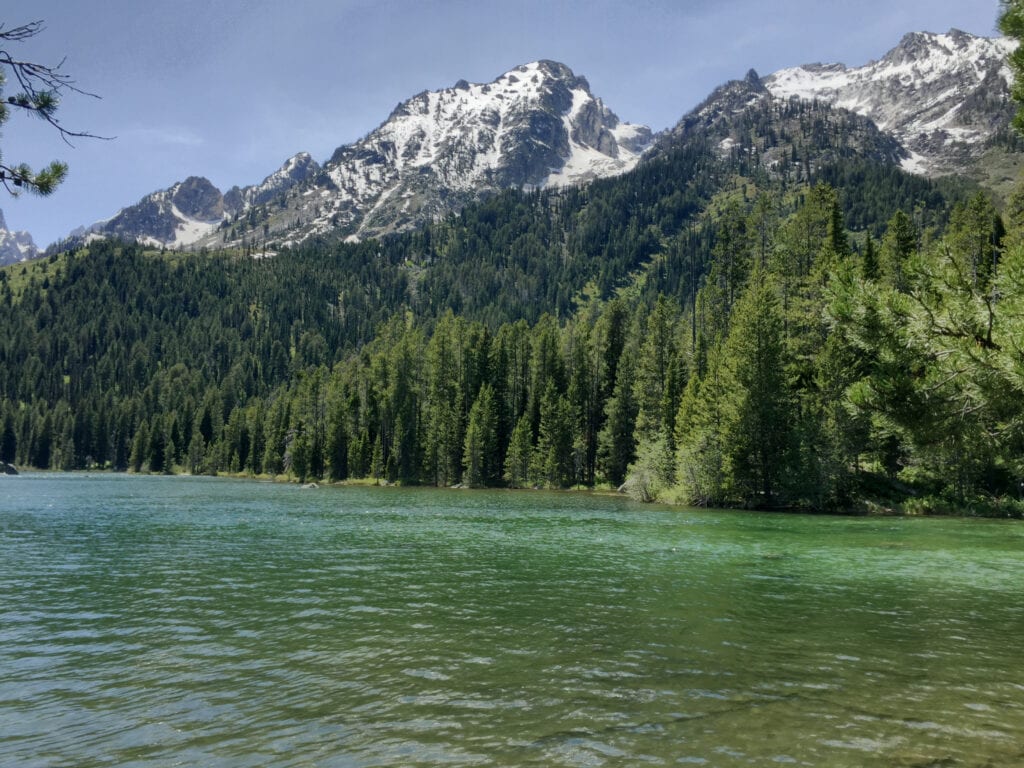
We spent three days exploring Grand Teton National Park, and that felt like an excellent amount of time for our first visit. We were able to drive the park’s scenic roads, stop at many of the major viewpoints, spend time around Jenny Lake, look for wildlife, and hike to Taggart Lake without trying to squeeze everything into a single day.
That said, there is no one-size-fits-all answer. Travelers primarily interested in scenic viewpoints can experience many of Grand Teton’s highlights in one day, while hikers, photographers, paddlers, and wildlife enthusiasts could easily spend four days or longer in the park.
The Places Where We Go contains affiliate links and is a member of the Amazon Services LLC Associates Program. As an Amazon Associate, we earn from qualifying purchases at no extra cost to you when you purchase using one of these Amazon links. Read our disclaimer and privacy policy for more information.
How Many Days Do You Need in Grand Teton National Park?
Here is our recommendation based on how much time you have:
| Time in Grand Teton | What You Can Expect |
|---|---|
| 1 Day | See many of the park’s major viewpoints, drive the scenic loop, visit Jenny Lake, and fit in a short walk or hike. It will be a full day, and you will need to prioritize. |
| 2 Days | A good amount of time for first-time visitors who want to combine scenic drives, Jenny Lake, wildlife viewing, and one or two shorter hikes without feeling quite as rushed. |
| 3 Days | Our recommendation for most first-time visitors. Three days gives you time for the major sights plus a longer hike, additional wildlife viewing, photography stops, or time simply to enjoy the scenery at a slower pace. |
| 4–5 Days | Ideal for travelers who want to add longer hikes, paddling, fishing, photography, or multiple sunrise and sunset outings. |
| 6–7 Days | Best suited to serious hikers, backcountry travelers, photographers, or visitors who prefer a very relaxed pace and want to explore beyond the park’s best-known attractions. |
Is One Day Enough for Grand Teton National Park?
Yes—but one day in Grand Teton is best thought of as a highlights visit rather than a comprehensive experience.
You can cover a surprising amount of ground in a day, particularly if you begin early. However, one thing we learned during our visit is that distances on a map can be deceptive. The scenery encourages frequent stops, and wildlife sightings can quickly change your schedule.
For example, we spent nearly five hours exploring what is essentially a 42-mile scenic drive because we kept stopping at overlooks, historic sites, and places where we simply wanted to take in the view.
If one day is all you have, Grand Teton is absolutely worth visiting. But if your schedule allows it, we think adding a second—and preferably a third—day makes for a much more rewarding first visit.
Our 3-Day Grand Teton Itinerary at a Glance
If you have three days in Grand Teton National Park, here is the general approach we recommend:
| Day | Main Focus | Highlights |
|---|---|---|
| Day 1 | Scenic highlights | Drive the Grand Teton scenic loop, visit major viewpoints, spend time at Jenny Lake, and explore stops such as Oxbow Bend and Mormon Row. |
| Day 2 | Jenny Lake and outdoor experiences | Spend more time around Jenny Lake, choose a hike or paddling experience, and leave time for wildlife viewing and sunset. |
| Day 3 | Slow down and go deeper | Take a longer hike, explore another part of the park such as Jackson Lake or Colter Bay, revisit a favorite viewpoint, and leave room for spontaneous stops. |
This approach gives you a good balance of sightseeing, hiking or other outdoor activities, wildlife viewing, and unstructured time. It also gives you multiple opportunities to enjoy the Teton Range under different weather and lighting conditions.
We used our third day for a hike to Taggart Lake, and having that additional day meant we didn’t need to squeeze a substantial hike into our scenic-driving itinerary.
The sections below break down what you can realistically accomplish with one, two, three, or more days in Grand Teton National Park.
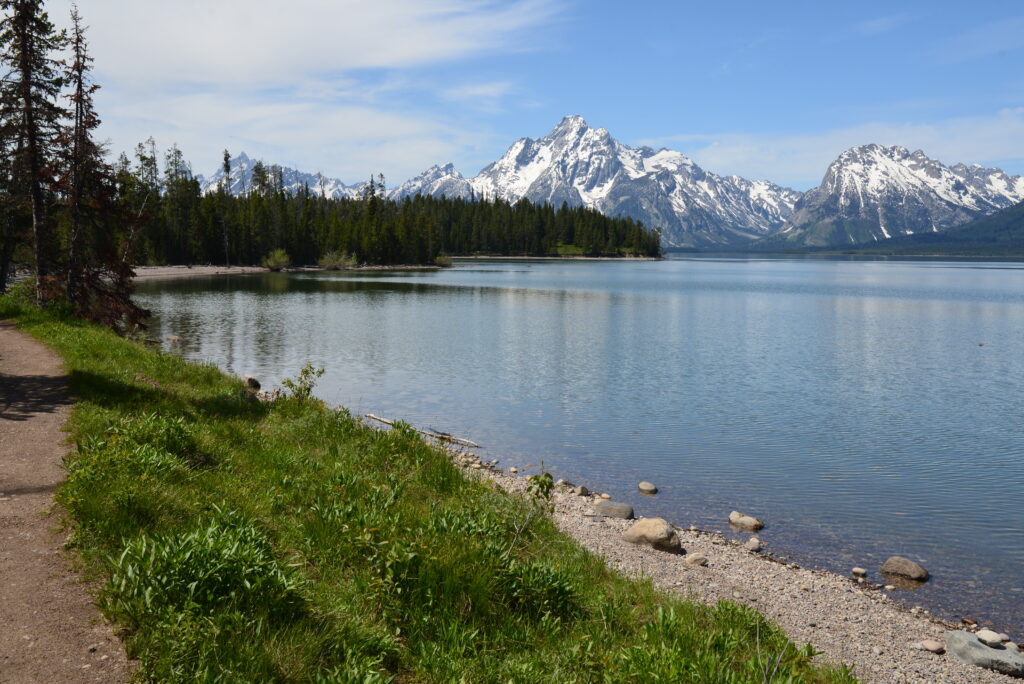
One Day in Grand Teton National Park: A Suggested Itinerary
If you have just one day in Grand Teton National Park, we recommend focusing on the park’s scenic drive, iconic viewpoints, Jenny Lake, and a few carefully chosen stops rather than trying to see everything.
Start early. Not only will this give you more time in the park, but mornings can be especially rewarding for photography and wildlife viewing.
Start Near Moose and Get Oriented
If the timing works with your arrival, stop at the Craig Thomas Discovery & Visitor Center in Moose. Here, you can pick up park information, check current trail and road conditions, talk with a ranger, and learn more about Grand Teton through exhibits and the park film.
We enjoy stopping at National Park visitor centers, particularly on a first visit. Even if you have already planned your day, current advice from a ranger can help you make last-minute adjustments based on weather, wildlife activity, construction, or trail conditions.
You’ll find several visitor centers in the broader Grand Teton area. We visited two during our visit.
If you are starting before the visitor center opens, don’t delay your day simply to wait for it. You can begin exploring and stop at a visitor center later.
Drive the Grand Teton Scenic Loop
For a one-day visit, the scenic loop is one of the best ways to experience the variety of landscapes in Grand Teton National Park.
The loop combines Teton Park Road with U.S. Highway 26/89/191 and is roughly 42 to 43 miles. You could drive it relatively quickly without stopping, but that would miss much of the point.
During our visit, frequent stops turned this scenic drive into a nearly five-hour adventure. We found ourselves repeatedly pulling over for mountain views, photographs, historic sites, and simply to appreciate the scenery.
You won’t need to stop at every turnout. For a one-day itinerary, some of the stops we would prioritize include:
- Jenny Lake and Jenny Lake Overlook
- Oxbow Bend
- Jackson Lake Dam
- Snake River Overlook
- Schwabacher Landing
- Mormon Row
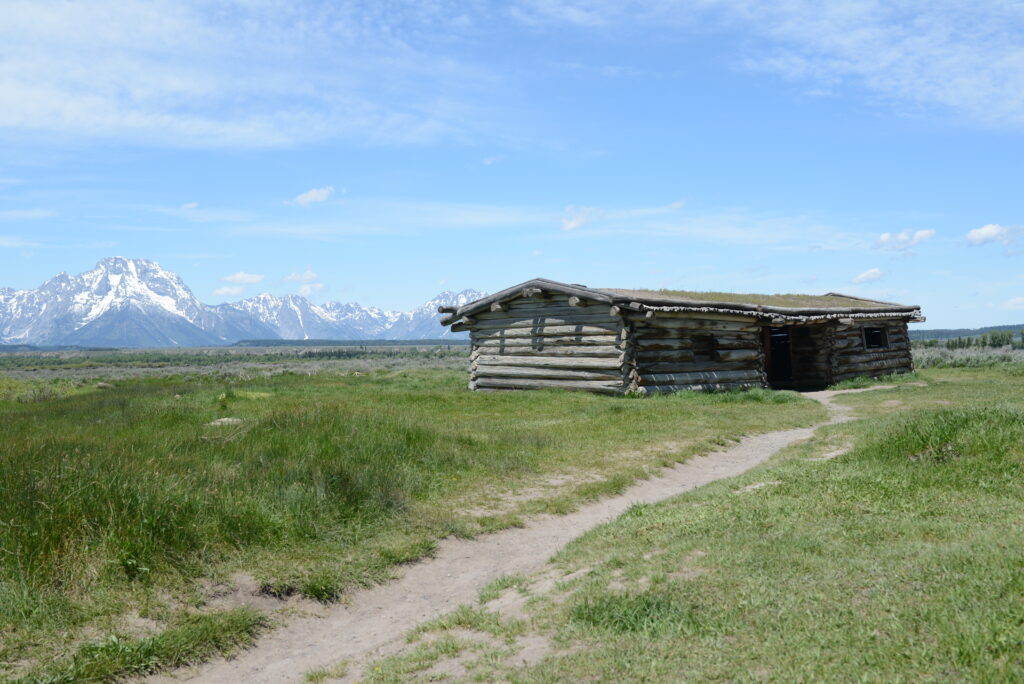
- Cunningham Cabin
Which stops deserve the most time will depend on your interests. Photographers may linger at the overlooks, while history lovers may want additional time at Mormon Row and the historic district around Moose.
Spend Some Time at Jenny Lake
Jenny Lake is one of the signature destinations in Grand Teton National Park and deserves a place in even a one-day itinerary.
With limited time, you don’t necessarily need to embark on a major hike. You can enjoy the lake, stop at the overlooks, take a short walk, or simply spend some time taking in the views of the Teton Range.
If hiking is one of your main priorities, you could instead devote a larger portion of your day to the Hidden Falls and Inspiration Point area. The Jenny Lake shuttle boat can shorten the hike considerably when it is operating, making this a more realistic addition to a one-day visit.
Just recognize the tradeoff: spending several hours hiking around Jenny Lake means skipping some of the scenic-drive stops. On a one-day visit, we would choose either a more complete scenic tour of the park or a significant hike rather than trying to squeeze both into the same day.
Save Time for Oxbow Bend and the Eastern Viewpoints
Continuing around the scenic loop brings you to some of the park’s classic landscapes.
Oxbow Bend is one of the stops we would put near the top of the list. The sweeping view toward Mount Moran makes this a beautiful photography spot, and the surrounding wetlands also offer opportunities to spot wildlife.
As you travel along the eastern side of the park, other worthwhile stops include Snake River Overlook and Schwabacher Landing. These viewpoints offer very different perspectives on the Teton Range and make the drive much more than simply a way to get from one attraction to another.
Remember that wildlife can alter your schedule—in a good way. If you encounter a wildlife viewing opportunity, you may decide that spending an extra 20 or 30 minutes watching animals is more memorable than checking another turnout off your list.
Finish at Mormon Row
If your route and daylight allow, Mormon Row makes an excellent final major stop.
The historic homesteads and barns set against the Teton Range create one of Grand Teton National Park’s most recognizable scenes. Beyond the photography opportunities, Mormon Row offers a glimpse into the lives of settlers who established farms in this difficult landscape beginning in the late 19th century.
We would allow time to walk around rather than simply taking a photograph from the car and leaving.
What Can You Realistically See in One Day?
A successful one-day visit to Grand Teton National Park is less about seeing everything and more about choosing the experiences that matter most to you.
With an early start, a typical first-time visitor can reasonably combine:
- The Grand Teton scenic loop
- Several major overlooks
- Jenny Lake
- Mormon Row
- Short walks and photography stops
- Opportunities for wildlife viewing
What we would not recommend is trying to add a substantial hike, every scenic turnout, a long meal in Jackson, and a side trip to Yellowstone all into the same day.
Grand Teton rewards slowing down. Even with only one day, leave some room in your schedule for an unexpected wildlife sighting, an especially beautiful viewpoint, or a place where you simply decide to stay awhile.
Two Days in Grand Teton National Park
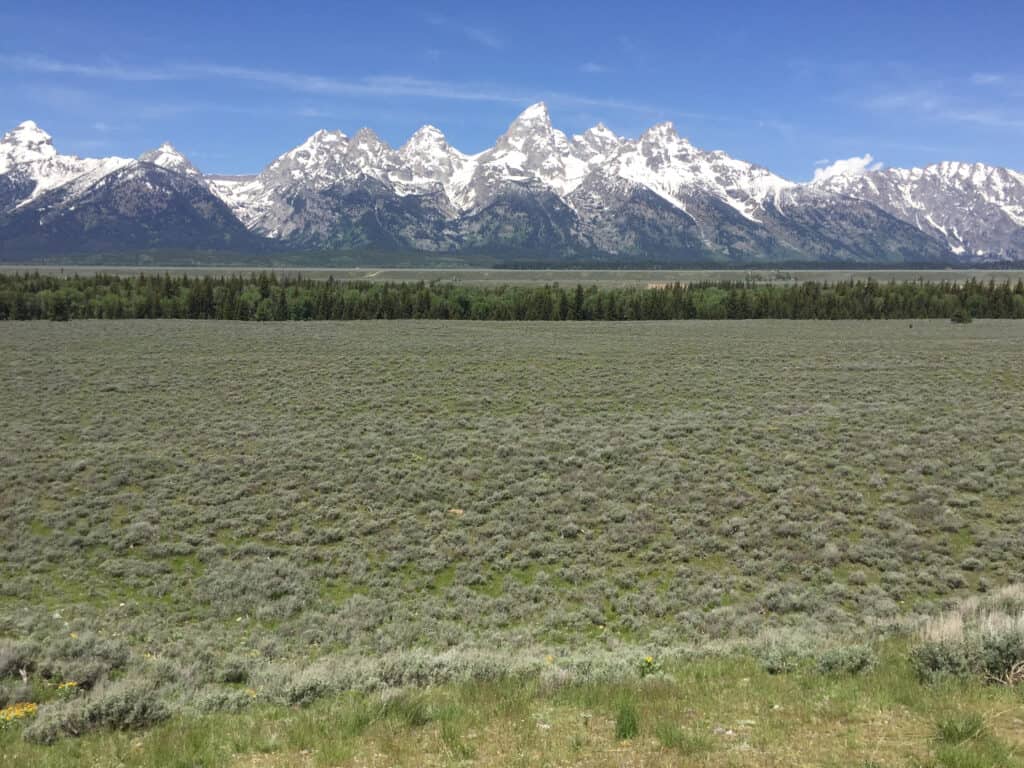
If you have two full days in Grand Teton National Park, you can move beyond simply seeing the highlights and begin experiencing the park at a more relaxed pace.
We recommend using your first day for the scenic loop and major viewpoints, then dedicating much of your second day to Jenny Lake, hiking, wildlife viewing, or another outdoor activity that particularly interests you.
For many visitors, two days provides a very satisfying introduction to Grand Teton National Park.
Start Day 2 Early
An early start is worthwhile in Grand Teton for several reasons. Morning light can be beautiful on the mountains, temperatures are typically cooler for hiking, and wildlife is often more active during the early and late parts of the day.
You might begin with a return to a favorite viewpoint from Day 1 or choose a location specifically for sunrise photography.
Places such as Schwabacher Landing, Oxbow Bend, and Mormon Row are especially popular with photographers, but you don’t need to be carrying professional camera equipment to appreciate the changing morning light on the Teton Range.
After sunrise—or simply after an early breakfast—head toward Jenny Lake.
Spend More Time at Jenny Lake
With two days in the park, Jenny Lake deserves more than a quick scenic stop.
One popular option is to take the seasonal Jenny Lake shuttle boat across the lake and hike toward Hidden Falls and Inspiration Point. Using the boat significantly reduces the hiking distance compared with beginning from the Jenny Lake Visitor Center.
Hidden Falls offers a relatively accessible reward, while continuing to Inspiration Point adds elevation and expansive views across Jenny Lake.
If you prefer not to use the shuttle boat, you can hike along the Jenny Lake trails instead. Just remember that hiking around the lake adds considerably more distance and time.
Either way, allow yourself several hours in the Jenny Lake area rather than rushing through it.
Get Free Weekly Travel Planning Guide
Destination Ideas – Practical Tips – Timely Travel News

Choose One Additional Experience
After Jenny Lake, we recommend selecting one primary afternoon activity rather than attempting to fit several major experiences into the remaining hours.
Your choice might depend on your interests, energy level, and the weather.
Option 1: Take Another Hike
If hiking is a priority, use part of your second day to explore another trail that fits your ability and available time.
Grand Teton offers everything from easy lakeside walks to strenuous mountain hikes. Trail conditions can vary considerably by season and elevation, so check current conditions before setting out.
A shorter or moderate hike can pair well with a morning around Jenny Lake, while visitors planning a longer hike may want to make that the centerpiece of the entire day.
Option 2: Go Paddling
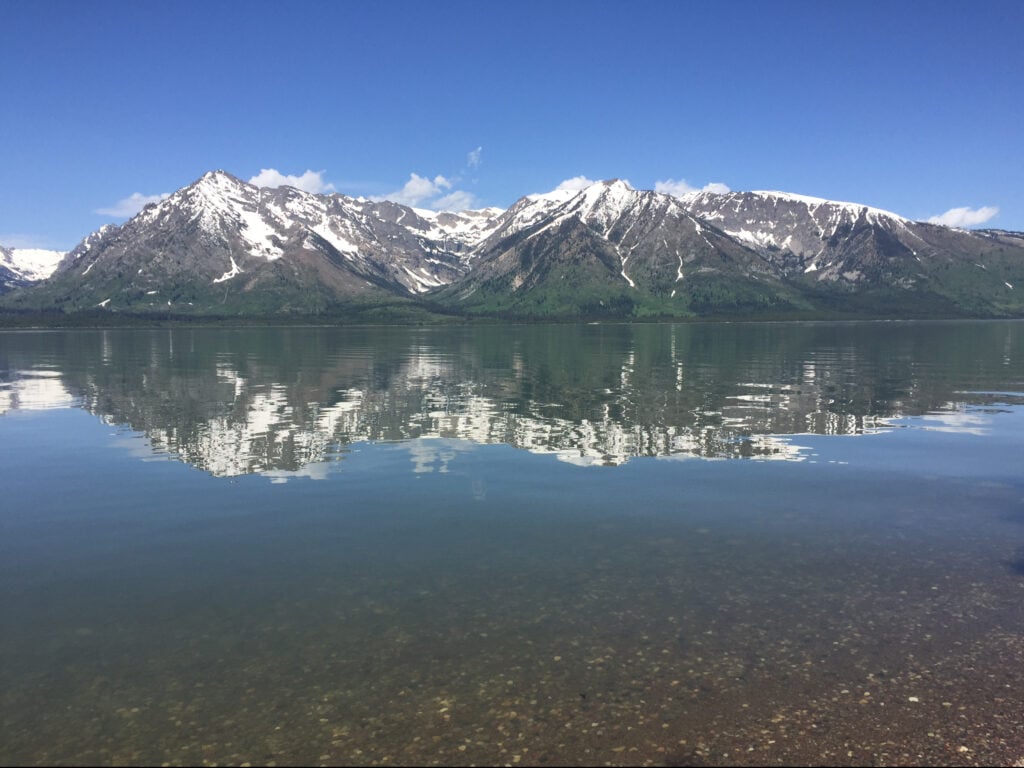
A kayak, canoe, or stand-up paddleboard can provide an entirely different perspective on Grand Teton’s lakes.
Jenny Lake, Jackson Lake, String Lake, and Leigh Lake are among the locations where paddling opportunities may be available, depending on conditions and regulations.
If you bring your own watercraft, be sure to check current National Park Service requirements regarding permits and aquatic invasive species inspections before launching.
Paddling can be especially enjoyable for travelers who want an active experience without adding another long hike.
Option 3: Focus on Wildlife Watching
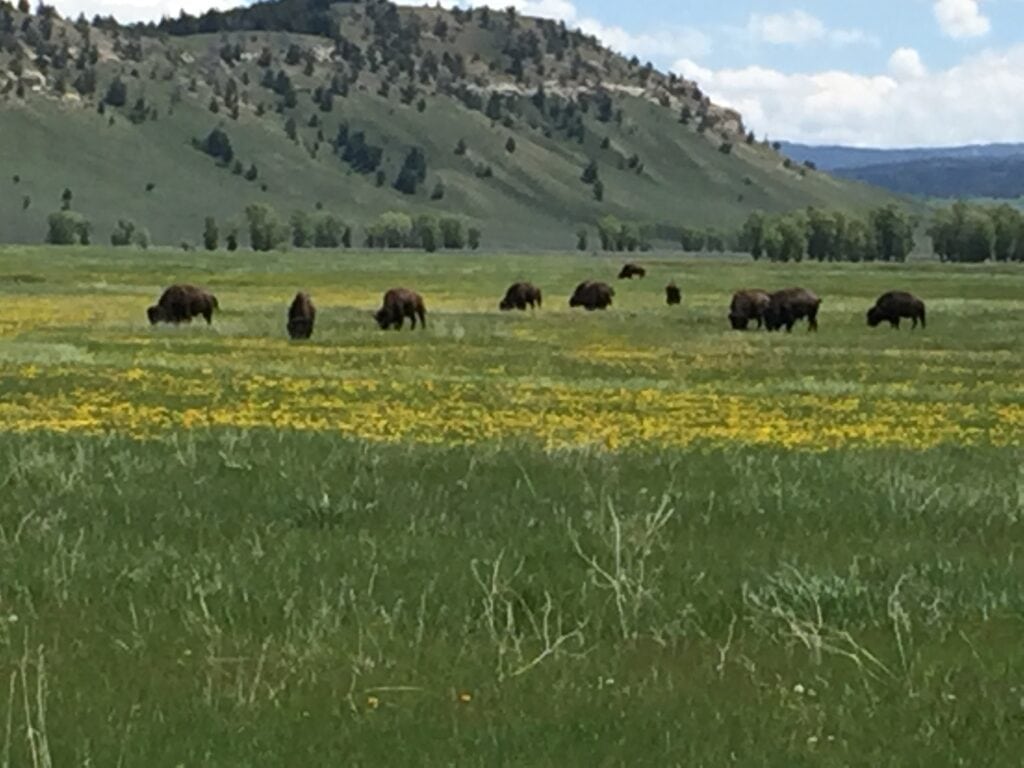
Another excellent use of your second day is to slow down and devote more time to wildlife.
Grand Teton is home to animals including elk, moose, bison, pronghorn, bears, and numerous bird species. Sightings are never guaranteed, but mornings and evenings often provide good opportunities.
Rather than racing from viewpoint to viewpoint, choose a promising area and spend some time observing the landscape.
Always maintain the required distance from wildlife and follow current National Park Service guidance. Animals that appear calm can still be unpredictable, and approaching wildlife for a photograph is never worth the risk.
Consider Signal Mountain
If time allows, another possible addition to your second day is Signal Mountain Summit Road.
The drive provides access to elevated viewpoints overlooking Jackson Hole and the surrounding landscape. It can be a good option if you want impressive views without adding another substantial hike.
Because road access can be seasonal or affected by conditions, check current park information before making it part of your day’s plan.
Slow Down for a Picnic
One benefit of having two days instead of one is that every meal doesn’t have to feel like another scheduling problem.
Consider packing a picnic and eating somewhere with a view rather than leaving the park for lunch.
We find that simple moments like these can become part of the experience rather than merely a break between attractions. Grand Teton is the kind of place where sitting beside a lake or looking toward the mountains for half an hour can be just as memorable as another scheduled stop.
Finish With Wildlife or Sunset
Save some flexibility toward the end of your second day.
If wildlife viewing is important to you, use the late afternoon or early evening to revisit an area where animals are frequently seen. If photography is your priority, return to one of the park’s scenic viewpoints as the light begins to change.
You may even decide to return to a location you visited on Day 1. Grand Teton landscapes can look completely different depending on the hour, weather, and light.
Are Two Days Enough for Grand Teton National Park?
Yes. Two days is enough for a very good first visit to Grand Teton National Park.
With two days, you can see the major scenic highlights, spend meaningful time at Jenny Lake, watch for wildlife, and add a hike or another outdoor activity without trying to accomplish everything in a single marathon day.
For travelers who primarily enjoy sightseeing, scenic drives, short walks, and photography, two days may be all you need.
However, if hiking is important to you—or if you prefer leaving more room for wildlife encounters, weather changes, and spontaneous stops—we think adding a third day makes the experience even better.
Three Days in Grand Teton National Park: Our Recommendation
If your schedule allows it, we think three days is an ideal amount of time for a first visit to Grand Teton National Park.
By the third day, you have already seen many of the park’s famous viewpoints and spent meaningful time around places such as Jenny Lake. Instead of trying to cover more ground simply for the sake of seeing more, your third day can be devoted to an experience that lets you explore Grand Teton in greater depth.
That’s one reason three days worked well for us. We didn’t have to fit every scenic drive, viewpoint, and hike into the same day. We could use our third day for a more substantial hike to Taggart Lake.
Make Day 3 Your Hiking Day
If you enjoy hiking, we think a longer trail is one of the best ways to spend your third day in Grand Teton.
After two days of seeing the Teton Range largely from roads, overlooks, and lakeshores, hiking gives you a different relationship with the landscape. Instead of stopping briefly for a photograph, you have time to walk through forests and meadows and experience the mountains at a much slower pace.
We chose Taggart Lake for our third day.
The hike leads to an alpine lake sitting beneath the Tetons and is a popular choice for visitors looking for a rewarding hike without committing to one of the park’s strenuous backcountry routes.
We also liked having this experience on Day 3 rather than trying to squeeze it into our scenic-driving day. A hike inevitably takes longer than the number of miles might suggest once you factor in photographs, breaks, time at the lake, and simply enjoying the scenery.
If Taggart Lake isn’t the right hike for your visit, Grand Teton has trails ranging from short walks to demanding all-day adventures. Check current trail conditions and speak with a ranger before choosing your route, particularly early in the summer when snow can remain at higher elevations.
Not a Hiker? Explore Jackson Lake and Colter Bay
Three days in Grand Teton can still be worthwhile even if hiking isn’t a major part of your trip.
One alternative is to spend more time in the northern portion of the park around Jackson Lake and Colter Bay.
Colter Bay provides opportunities to enjoy Jackson Lake, take shorter walks, visit the visitor center, have a picnic, or simply experience a different part of the park than you covered during your first two days.
This is also a good day to return to places that intrigued you earlier in the trip but didn’t fit comfortably into your schedule.
That’s an advantage of having three days: you no longer have to treat every stop as a one-time opportunity.
Leave Room for Wildlife
Your third day also gives you another morning and evening for wildlife viewing.
Wildlife sightings are unpredictable, so building several opportunities into your itinerary makes more sense than designating a single hour as your “wildlife stop.”
If you haven’t yet seen much wildlife, consider starting or ending Day 3 in areas where animals are frequently observed. Ask at a visitor center about recent activity, and always observe wildlife from the required distance.
Even if wildlife isn’t your primary reason for visiting, an unexpected moose, bison, elk, or bear sighting can quickly become one of the most memorable moments of the trip.
Revisit a Favorite Place
Don’t feel that every hour of your three-day itinerary needs to introduce somewhere new.
One of the pleasures of having an extra day is being able to return to a favorite place under different conditions.
You might revisit Oxbow Bend in the morning, return to Jenny Lake when the light has changed, photograph the Tetons from a favorite overlook, or simply spend longer somewhere you rushed through earlier.
Weather is another reason this flexibility matters. Mountain views can disappear behind clouds one day and be spectacular the next. Having three days gives you additional opportunities if the weather doesn’t cooperate the first time around.
Build in Some Unscheduled Time
Perhaps the biggest advantage of spending three days in Grand Teton is that you can stop planning every minute.
National parks have a way of changing your plans. You may come across wildlife, discover an overlook you didn’t expect to love, linger over a picnic, or decide that you’re perfectly happy sitting beside a lake for another half hour.
With only one day, those moments can feel like they are putting you behind schedule.
With three days, they become part of the trip.
❤️ Couples Tip: If you have three days, reserve part of one evening for an unhurried sunset or picnic rather than filling every hour with sightseeing.
Are Three Days Enough for Grand Teton National Park?
Yes. For most first-time visitors, we think three days is an excellent amount of time to spend in Grand Teton National Park.
A three-day visit gives you enough time to:
- Experience the scenic loop and major viewpoints
- Spend meaningful time at Jenny Lake
- Look for wildlife during different times of day
- Take at least one substantial hike or enjoy another outdoor activity
- Explore different areas of the park
- Return to favorite locations
- Leave some flexibility for weather and unexpected discoveries
You can certainly spend longer—especially if hiking, paddling, fishing, or photography are major priorities—but after our own three-day visit, we think three days offers a particularly good balance for a first trip to Grand Teton National Park.
2026 Taggart Lake Trail Update
If you are visiting Grand Teton in 2026, be aware that construction is affecting the usual route to Taggart Lake. The shorter northern section of the Taggart Lake Trail is closed for reconstruction, while the trailhead remains open and Taggart Lake can still be reached using an alternate route.
The alternate hike is longer and steeper than the traditional shorter route, so don’t rely on older trail descriptions when planning your day. Check current National Park Service trail conditions before your hike.
Prefer a Guided Grand Teton Experience?
Prefer to let someone else handle the driving and planning for part of your visit? A guided Grand Teton tour can be a good addition to a two- or three-day itinerary, particularly if wildlife viewing is a priority or you would like to learn more about the park from a local guide. You can also find scenic experiences such as Snake River float trips that provide a completely different perspective on the Teton landscape.
Below are several highly rated Grand Teton experiences available through Viator. Tour availability and schedules vary by season, so check current details when planning your trip.
Four or More Days in Grand Teton National Park
If you have four or more days in Grand Teton National Park, you can move beyond the major highlights and begin tailoring your visit around the activities you enjoy most.
For travelers primarily interested in scenic drives, viewpoints, short walks, and the park’s most famous attractions, we think three days will usually be enough.
But if hiking, wildlife photography, paddling, fishing, or simply spending more time outdoors appeals to you, Grand Teton can easily reward a four-, five-, or even longer stay.
Add a Longer Hike
For hikers, extra days may be the strongest reason to extend a Grand Teton visit.
Rather than fitting hiking around sightseeing, you can devote an entire day to the trail. The park offers routes ranging from moderate lake hikes to demanding mountain adventures that require most of the day.
A longer stay also gives you flexibility. If weather or trail conditions aren’t favorable on the day you originally planned to hike, you may be able to rearrange your itinerary instead of missing the experience altogether.
Always check current trail conditions before heading out. Snow can linger at higher elevations well into the hiking season, and conditions in the mountains can change quickly.
Spend a Day on the Water
With additional time, consider seeing Grand Teton from the water.
Depending on your interests and the season, you might spend part of a day kayaking, canoeing, or paddleboarding on one of the park’s lakes.
String Lake is a particularly appealing option for paddlers, while Jackson Lake offers a much larger setting and expansive mountain views.
If you bring your own watercraft, check current National Park Service requirements for boating permits and aquatic invasive species inspections before your visit.
Rather than treating paddling as something to squeeze between two scenic stops, an extra day allows it to become one of the experiences you remember most from the trip.
Make Wildlife Watching a Priority
Visitors with four or more days also have additional opportunities for wildlife viewing.
Grand Teton is home to animals including moose, elk, bison, pronghorn, bears, and a wide variety of birds. Because sightings depend on the season, time of day, weather, and a fair amount of luck, staying longer improves your chances of being in the right place at the right time.
Early mornings and evenings can be especially rewarding.
Instead of driving from place to place searching constantly for wildlife, consider spending more time observing promising areas. Ask a ranger about recent activity, bring binoculars if you have them, and always maintain the required distance from animals.
Give Photography Its Own Time
Grand Teton National Park is a destination where photographers can easily justify several extra days.
The same landscape can look dramatically different at sunrise, midday, sunset, or under changing weather conditions. Locations such as Oxbow Bend, Schwabacher Landing, Mormon Row, Jenny Lake, and Snake River Overlook are worth seeing more than once if photography is an important part of your trip.
A longer stay means you don’t have to depend on getting perfect conditions during a single visit to an overlook.
It also lets you slow down enough to look beyond the classic compositions. Wildlife, reflections, wildflowers, forests, historic structures, and changing mountain weather can all become subjects of their own.
Try Fishing
Fishing is another activity that can justify an additional day, particularly for travelers who enjoy spending several quiet hours outdoors.
Fishing opportunities are available in the park’s lakes, rivers, and streams, but regulations vary by location, season, and species.
A Wyoming fishing license is required, and Grand Teton has additional fishing regulations designed to protect native fish populations and park resources.
If fishing is part of your plans, review the current National Park Service regulations before your visit rather than relying on older summaries online.
Explore Colter Bay and Jackson Lake More Slowly
Visitors on shorter itineraries often devote most of their time to Jenny Lake and the southern and central portions of the park.
With additional days, you can spend more time around Colter Bay and Jackson Lake.
This part of Grand Teton offers another perspective on the park, with lake views, walking opportunities, picnic areas, wildlife possibilities, and access to the northern portion of the park.
Even a quieter day here can be a welcome change after several days of hiking and driving.
Visit the Jackson Hole Historical Society and Museum
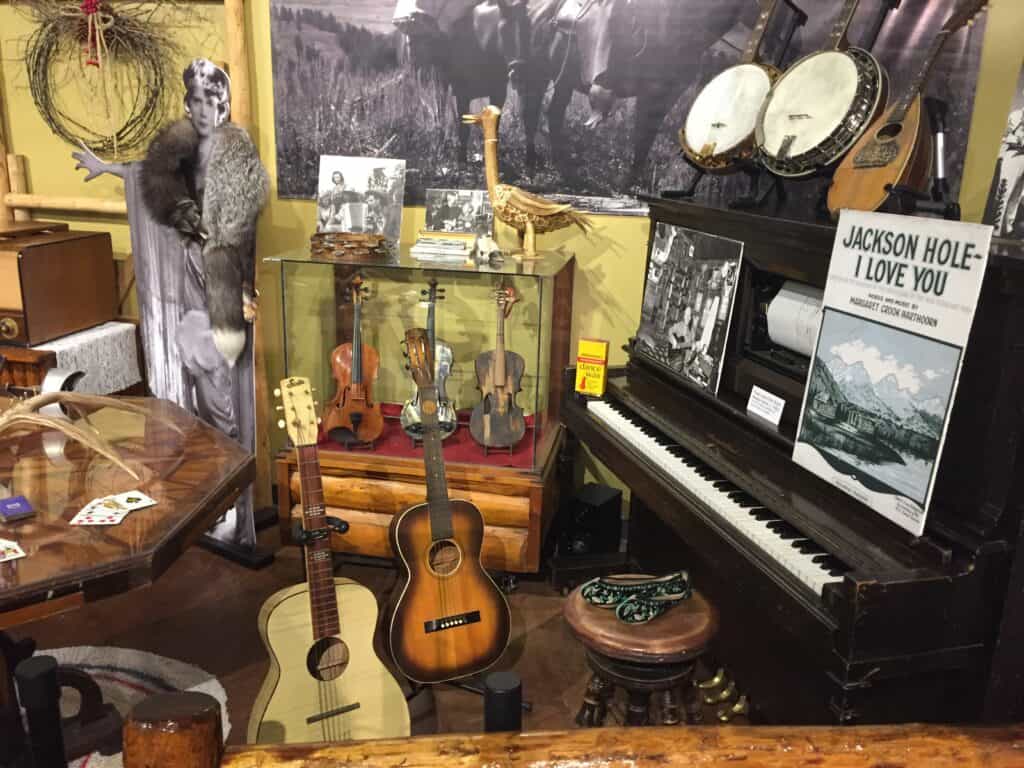
Located in the heart of Jackson Hole, the Historical Society and Museum offers a fascinating journey through the region’s past. We enjoyed a short visit here to discover the collection of artifacts, photographs and exhibits detailing the rich history of this iconic area. From Native American heritage to the early days of fur trading and the development of Jackson as a Western town, the museum provides a comprehensive look at the diverse stories that have shaped this community.
Leave Space for a Rest Day
A longer Grand Teton stay doesn’t mean every day needs to be filled from sunrise to sunset.
After several early mornings, hikes, and long days outdoors, you may appreciate a slower day.
Have a leisurely picnic. Spend time beside a lake. Revisit your favorite overlook. Take a short walk instead of a major hike. Or head into Jackson for a meal and some time exploring town.
We tend to remember trips more fondly when there is room to enjoy where we are rather than feeling obligated to maximize every hour.
Who Should Spend Four or More Days in Grand Teton?
We would particularly consider a longer stay if you are:
- An avid hiker who wants to complete several trails
- A wildlife enthusiast hoping for multiple viewing opportunities
- A photographer who wants to capture different locations and lighting conditions
- Interested in paddling or fishing
- Traveling at a relaxed pace
- Building flexibility into your itinerary for weather
- Simply someone who enjoys spending extended time in national parks
For a typical first-time sightseeing trip, we would still recommend three days as the sweet spot.
But if Grand Teton itself is one of the main reasons for your trip—and not simply a stop between other destinations—four or more days gives you the freedom to experience the park rather than merely tour it.
Is a Week Too Long in Grand Teton National Park?
For many first-time visitors, seven full days may be more time than you need to see Grand Teton’s major attractions.
However, a week is not necessarily too long if your interests include substantial hiking, wildlife watching, paddling, photography, fishing, or slower-paced outdoor travel.
A longer stay also gives you a useful cushion for mountain weather. If clouds obscure the Tetons or a storm disrupts your plans, you have additional opportunities to return to favorite locations.
For most travelers deciding between several destinations in the region, though, we would probably use some of that extra time to explore nearby places rather than automatically spending a full week inside Grand Teton.
|
Top Guide Book

|
Road Atlas Essential

|
Hiking Guide

|
|
Primary Rating:
4.8
|
Primary Rating:
5.0
|
Primary Rating:
4.7
|
|
$22.99
|
N/A
|
$22.95
|
How Many Days for Grand Teton and Yellowstone?
Grand Teton and Yellowstone National Parks are natural companions on the same trip. The two parks sit next to each other, connected by the John D. Rockefeller, Jr. Memorial Parkway.
But don’t let their proximity fool you into thinking you can see both parks thoroughly in just a day or two.
For a combined Grand Teton and Yellowstone trip, we recommend at least five days, with six to seven days being even better. Ideally, we would spend 2–3 days in Grand Teton and 3–4 days in Yellowstone.
Here’s how we would think about the time:
| Total Trip Length | Suggested Split | Our Take |
|---|---|---|
| 4 Days | 1 day Grand Teton + 3 days Yellowstone | Possible, but you’ll only get a highlights visit to Grand Teton |
| 5 Days | 2 days Grand Teton + 3 days Yellowstone | A good introduction to both parks |
| 6 Days | 2–3 days Grand Teton + 3–4 days Yellowstone | A well-balanced trip with less rushing |
| 7 Days | 3 days Grand Teton + 4 days Yellowstone | Our preferred choice for a first combined trip |
| 8+ Days | 3+ days Grand Teton + 4+ days Yellowstone | Excellent for hiking, wildlife watching, photography, and a slower pace |
Why Yellowstone Needs More Time
Although the boundary of Yellowstone is close to Grand Teton, reaching the entrance to Yellowstone is very different from reaching the places you probably want to see once you are inside the park.
Yellowstone is enormous, and its thermal areas, waterfalls, wildlife-viewing areas, lakes, and other attractions are spread across a large road network. Driving between different parts of Yellowstone can consume a significant portion of the day, particularly when you factor in traffic, wildlife jams, parking, and stops along the way.
That’s why we would generally give Yellowstone a little more time than Grand Teton on a combined trip. Our Yellowstone Trip Planner can help you structure your trip beyond Grand Teton National Park.
Should You Visit Yellowstone as a Day Trip From Grand Teton?
You certainly can enter Yellowstone for the day while staying near Grand Teton, but we wouldn’t recommend taking one of your two or three Grand Teton days and turning it into a rushed Yellowstone sightseeing trip.
If Yellowstone is part of your vacation, it makes more sense to treat it as a destination of its own and give it several days.
A day trip can work if you’ve visited Yellowstone before and have one specific destination in mind. But for a first visit, attempting to see Yellowstone’s major highlights and return to the Grand Teton area on the same day can mean spending much of your time driving.
10 Must-See Sights in Yellowstone National Park
What If You Only Have Three or Four Days for Both Parks?
If your entire trip is limited to three or four days, you’ll need to prioritize.
With four days, we would probably spend one day seeing the highlights of Grand Teton and devote the remaining three days to Yellowstone.
With only three days total, however, consider whether you would rather experience one park well instead of trying to check both off your list. If Grand Teton is your priority, the three-day itinerary we’ve outlined above gives you a much more complete experience.
There is no requirement to see both parks simply because they are next to each other.
Our Recommendation for a First Grand Teton and Yellowstone Trip
If we were planning a first visit to both parks, seven days would be our ideal starting point: three days in Grand Teton and four days in Yellowstone.
That gives you enough time to enjoy Grand Teton at the pace we’ve recommended in this guide while also giving Yellowstone the attention its much larger size deserves.
If seven days isn’t available, a five- or six-day trip can still work very well. The important thing is to resist turning the vacation into a race between attractions.
Both parks reward the same thing: allowing enough time to stop when the scenery, wildlife, or an unexpected discovery gives you a reason to change your plans.

Where to Stay When Visiting Grand Teton National Park
Where you stay can make a noticeable difference when you have only two or three days to explore Grand Teton National Park.
You essentially have three main strategies: stay inside the park, stay in Jackson, or stay in Teton Village. There isn’t one best choice for everyone. The right option depends on whether you value being close to the park’s attractions or having easier access to restaurants, shops, and other amenities after your sightseeing day.
Stay Inside Grand Teton National Park: Best for Maximizing Your Time
If Grand Teton is the main focus of your trip, staying inside the park can be the most convenient option.
You’ll already be close to many of the places you came to see, which can be particularly valuable when you want an early start for hiking, photography, or wildlife viewing.
Lodging options within Grand Teton include Jenny Lake Lodge, Jackson Lake Lodge, Colter Bay Village, and Signal Mountain Lodge, among others. Most park lodging operates seasonally, and popular accommodations can book well in advance.
For a short two- or three-day trip, the biggest advantage is simple: less time commuting means more time exploring.
Staying inside the park can also make those early mornings easier. If you want to photograph sunrise, look for wildlife, or arrive at a popular trailhead before the busiest part of the day, you won’t have to drive north from Jackson first.
The trade-off is that dining, shopping, and evening entertainment options are more limited than in Jackson.
Stay in Jackson: Best for Restaurants and an Evening in Town
Jackson is one of the most popular bases for visiting Grand Teton National Park, and it was our choice for our trip.
We stayed at the Antler Inn, which put us in central Jackson and gave us a convenient base for combining our national park days with time in town.
Check Antler Inn for Rates & Availability
Jackson offers a much wider selection of hotels, restaurants, shops, and other services than you’ll find inside the park. It can be especially appealing if you enjoy having dinner in town or walking around Jackson Town Square after a day outdoors.
The tradeoff is the additional driving.
For attractions in the southern portion of Grand Teton, such as Moose, Mormon Row, and the Taggart Lake area, Jackson can still be a practical base. But if your day includes destinations farther north—such as Oxbow Bend, Jackson Lake, or Colter Bay—you’ll spend more time in the car.
For our recommended three-day Grand Teton itinerary, Jackson can work well, but we would encourage you to start your park days early.
Browse Hotels in Jackson, Wyoming
Stay in Teton Village: A Middle Ground
Another option is Teton Village, located southwest of Grand Teton National Park at the base of Jackson Hole Mountain Resort.
Teton Village can be a good compromise for travelers who want resort amenities while remaining relatively close to the southern side of Grand Teton.
This area may especially appeal to couples seeking a more resort-oriented stay, with restaurants and lodging available without having to return to downtown Jackson every evening.
Access between Teton Village and portions of Grand Teton can depend on seasonal road conditions, so check current National Park Service information before relying on a particular route.
What About Staying Near Jackson Lake or Colter Bay?
If wildlife viewing, photography, Jackson Lake, or the northern portion of Grand Teton is a priority, consider basing yourself farther north in the park.
Jackson Lake Lodge, Signal Mountain Lodge, and Colter Bay Village put you much closer to places such as Oxbow Bend, Jackson Lake, and Colter Bay than you would be if staying in Jackson.
This can be especially useful for photographers and wildlife enthusiasts who expect to be out early in the morning.
It can also make sense if Grand Teton is part of a longer road trip continuing north toward Yellowstone.
Where Should You Stay for Grand Teton and Yellowstone?
If you are visiting both national parks, don’t automatically assume that one hotel should serve as your base for the entire trip.
Although Grand Teton and Yellowstone border one another, the attractions within the two parks are spread over a large area.
For the six- or seven-day Grand Teton and Yellowstone itinerary we recommended earlier, we would generally split the stay between the two parks rather than commuting back and forth from Jackson every day.
For example, spend your Grand Teton nights in or near Grand Teton, then move to lodging inside or closer to the section of Yellowstone you plan to explore.
Another option is the Headwaters Lodge at Flagg Ranch, located in the John D. Rockefeller, Jr. Memorial Parkway between Grand Teton and Yellowstone. Its location can make it useful during the transition between the two parks, although we wouldn’t necessarily use it as a single base for an entire Yellowstone and Grand Teton vacation.
Our Quick Guide to Choosing Where to Stay
| Where to Stay | Best For | Main Tradeoff |
|---|---|---|
| Inside Grand Teton | Maximizing park time, hiking, wildlife, sunrise photography | Fewer dining and entertainment choices |
| Jackson | Restaurants, shopping, nightlife, and the widest lodging selection | More daily driving |
| Teton Village | Resort experience and access to the southern park area | Less convenient for northern Grand Teton |
| Jackson Lake / Colter Bay area | Wildlife, photography, Jackson Lake, and northern Grand Teton | Farther from Jackson |
| Flagg Ranch area | Travelers transitioning between Grand Teton and Yellowstone | Not centrally located for all attractions in either park |
Our Recommendation
For a first two- or three-day Grand Teton visit, we would choose between staying inside the park and staying in Jackson.
Stay inside Grand Teton if maximizing your sightseeing time and getting an early start each morning are most important.
Choose Jackson if you prefer having a larger selection of restaurants, accommodations, and things to do after leaving the park.
We stayed in Jackson and made it work well for our three-day trip. But knowing what we know now, we can also see a strong argument for staying inside Grand Teton—particularly for travelers planning early-morning wildlife viewing, photography, or hiking.
How to Get to Grand Teton National Park
Grand Teton National Park is located in northwestern Wyoming, just north of Jackson and directly south of Yellowstone National Park. Most visitors arrive either by car or by flying into the Jackson Hole area. The park has several road entrances, and some routes are seasonal, so check current road conditions before your trip.
Flying to Grand Teton National Park
The closest and most convenient airport is Jackson Hole Airport (JAC). Unusually, the airport is located inside Grand Teton National Park, making it an especially convenient gateway for visitors flying into the region. Rental cars are available at the airport.
Travelers may also choose to fly into a larger regional airport and make Grand Teton part of a road trip. This may be worth considering if airfare or rental car availability is significantly better, particularly if your itinerary also includes Yellowstone or other destinations in Wyoming, Idaho, or Utah.
Flying into Jackson Hole? For most visitors, having a rental car is the easiest way to explore Grand Teton National Park. You can compare rental car rates and availability through Discover Cars.
Driving From Jackson
Jackson is a popular base for visiting Grand Teton and provides convenient access to the southern portion of the park. From Jackson, U.S. Highway 26/89/191 travels north into Grand Teton, with the Moose area and Teton Park Road providing access to many of the park’s best-known destinations.
If you’re staying in Jackson, remember that driving time increases as you travel farther north toward destinations such as Jackson Lake, Oxbow Bend, and Colter Bay. This is one reason we recommend starting your park days early.
Driving From Yellowstone
If you’re combining Yellowstone and Grand Teton National Parks, the two parks are connected by the John D. Rockefeller, Jr. Memorial Parkway. This makes it easy to incorporate Grand Teton into a longer national park road trip, although seasonal road closures can affect access.
Do You Need a Car in Grand Teton?
For most independent visitors, having a car is the easiest and most practical way to explore Grand Teton National Park. Attractions, viewpoints, lakes, and trailheads are spread across a large area, and having your own vehicle gives you the flexibility to stop for wildlife, photography, and unexpected discoveries.
Regardless of where you’re arriving from, check the National Park Service’s current road information shortly before your trip. Conditions and access can change, particularly outside the main summer travel season.
Best Time to Visit Grand Teton National Park
For most first-time visitors, summer through early fall offers the easiest conditions for exploring Grand Teton National Park. Most park roads, visitor services, and activities are available during the summer months, making this the simplest season for following the two- or three-day itineraries we’ve outlined above.
July and August generally provide the broadest access for hiking and sightseeing, but they are also among the busiest months. Summer days can be warm, nights are much cooler, and afternoon thunderstorms are possible. An early start can help you avoid some of the crowds while also providing opportunities for wildlife viewing and photography.
September can be an especially appealing time to visit, with cooler temperatures, changing fall colors, and potentially fewer visitors than during peak summer. However, mountain weather can change quickly, nighttime temperatures may fall below freezing, and early snowfall is always possible.
Spring can also be beautiful, but visitors arriving in May or early June should expect more variable conditions. Snow may still affect trails and some seasonal services may not yet be operating. Winter offers an entirely different Grand Teton experience, but road access and visitor services are much more limited.
For a more detailed month-by-month comparison—including weather, crowds, seasonal activities, and the advantages and disadvantages of different times of year—see our guide to Best Time to Visit Grand Teton National Park.
Know Before You Go to Grand Teton National Park
A little advance planning can make a big difference in Grand Teton National Park. Before your visit, keep these practical considerations in mind.
You Don’t Need a Timed-Entry Reservation
Grand Teton National Park does not currently require a timed-entry reservation to enter the park. You will, however, need to pay the applicable entrance fee or use an eligible national parks pass. The park is also cashless, so plan to pay electronically if purchasing a pass at the entrance.
Separate reservations or permits may still be required for certain activities, lodging, camping, or backcountry travel, so check those requirements when planning your trip.
Check Road, Trail, and Construction Conditions Before You Go
Grand Teton is open year-round, but road access, visitor services, and trail conditions vary considerably by season. Temporary construction, wildlife closures, weather, and maintenance can also affect where you can go.
We recommend checking the National Park Service’s Alerts & Current Conditions page shortly before your trip and again during your stay if your plans include hiking or driving to less-accessible parts of the park.
This is especially important in spring and early summer, when snow can remain on trails, and in fall, when winter weather can arrive earlier than expected.
Be Prepared for Rapid Weather Changes
Mountain weather can change quickly in Grand Teton National Park.
Even during summer, mornings and evenings can be cool, afternoon thunderstorms are common, and conditions at higher elevations may be very different from those in the valley. Bring layers, rain protection, water, sun protection, and appropriate footwear even if the forecast looks favorable when you start your day.
Building a little flexibility into your itinerary can also help if the weather temporarily interferes with a hike, a scenic viewpoint, or another outdoor activity.
Remember That You Are in Bear Country
Both black bears and grizzly bears live throughout Grand Teton National Park.
The National Park Service advises hikers to carry bear spray, know how to use it, make noise while hiking, and remain aware of their surroundings. Food, garbage, coolers, toiletries, and other scented items also need to be stored properly to prevent bears from accessing them.
If you plan to hike, familiarize yourself with bear-safety guidance before arriving rather than waiting until you encounter your first bear-warning sign.
You might want to read our article, “Can You Bring Bear Spray on a Plane?” before flying into the area.
Give Wildlife Plenty of Space
Wildlife sightings can be one of the highlights of a Grand Teton trip, but the animals here are wild and unpredictable.
Visitors must remain at least 100 yards from bears and wolves and 25 yards from all other wildlife. If an animal changes its behavior because of your presence, you are too close.
Bring binoculars or a telephoto lens rather than approaching an animal for a closer photograph.
Paddlers Need to Plan Ahead
If kayaking, canoeing, or paddleboarding is part of your itinerary, check Grand Teton’s boating requirements before arriving.
Watercraft used in the park are subject to permit requirements, and aquatic invasive species inspections apply to boats entering Grand Teton. Requirements can vary depending on the type and size of the watercraft, so confirm the current rules before transporting your own kayak, canoe, or paddleboard into the park.
Don’t Depend Completely on Cell Service
Cellular and telecommunications coverage can be limited or nonexistent in portions of Grand Teton National Park.
Download maps, reservation information, trail details, and anything else you may need before setting out for the day. We also like having a paper park map available as a backup.
Start Early and Leave Room in Your Schedule
Perhaps our most practical advice is simply to avoid overplanning your day.
Parking at popular trailheads and destinations can become more difficult as the day progresses, and scenic stops or wildlife sightings frequently take longer than expected. An early start gives you more flexibility.
And as we learned during our own visit, a scenic drive that looks relatively short on a map can easily become a several-hour experience once you begin stopping along the way.
Leave some open space in your itinerary. Grand Teton is one of those places where an unexpected stop may turn out to be one of the best parts of your trip.
Grand Teton National Park FAQ
For most first-time visitors, 2 to 3 days is ideal. We recommend three days if you want time for scenic drives, Jenny Lake, wildlife viewing, and at least one substantial hike.
Yes, but one day is best for a highlights visit. You can see major viewpoints, drive the scenic loop, and spend some time at Jenny Lake, but you will need to prioritize.
Yes. Two days is enough for a very good first visit, especially if your priorities are scenic drives, short hikes, wildlife, and photography.
Yes. Three days is our preferred amount of time for a first visit because it allows you to see the major sights without feeling rushed and still add a longer hike or other outdoor activity.
We recommend at least five days, with six or seven being even better. A good split is 2–3 days in Grand Teton and 3–4 days in Yellowstone.
Grand Teton does not currently require a timed-entry reservation. You will still need an entrance pass, and some activities, lodging, and campgrounds may require separate reservations or permits.
For most visitors, having a car is the easiest and most practical way to explore Grand Teton National Park. The park’s major viewpoints, lakes, trailheads, and historic sites are spread out, so a vehicle gives you the flexibility to start early, stop for wildlife, and adjust your plans throughout the day.
Final Thoughts: How Many Days Should You Spend in Grand Teton?
For most first-time visitors, 2 to 3 days is the right amount of time to spend in Grand Teton National Park, with three days being our preferred choice.
One day is enough to see many of the park’s highlights, and two days gives you room to slow down and add a hike or other outdoor activity. But with three days, you can experience the scenic drives, Jenny Lake, wildlife viewing, and a longer hike without feeling as though you are racing from one stop to the next.
That was our experience during our own three-day visit. Grand Teton is a park that rewards a little extra time, not necessarily because you need to see every viewpoint or trail, but because some of the best moments may come when you stop longer than planned, encounter wildlife, revisit a favorite landscape, or simply take in the mountains.
If your schedule allows, give yourself enough time to do more than just check Grand Teton off a list. Three days gives you the chance to experience the park at a pace that lets the scenery become part of the trip rather than simply the backdrop.
Thanks for stopping by to read our recommendations about visiting Grand Teton National Park.
Art & Julie – The Places Where We Go
Listen to our Grand Teton National Park Podcast
Want to hear what our three days in Grand Teton were actually like? We share our adventures of spending three days in Grand Teton National Park on The Places Where We Go podcast.
Related Reading
Grand Teton – Best Time To Visit Guide
Yellowstone Bucket List – Top 12 Things To See
Yellowstone Trip Planner – Visitors Guide For Your Perfect Trip
Yellowstone to Cody Wyoming – Impressive Western Beauty
Articles and Resource Directories
National Parks – Check out our articles and resources about USA National Parks
Wyoming – Check out our articles and resources for travel in Wyoming
