Rhyolite Ghost Town: Your Guide to Nevada’s Most Famous Desert Relic
Step into the remnants of the American West’s most ambitious dreams at Rhyolite Ghost Town, where crumbling walls whisper tales of gold rush fever and desert fortunes lost to time. This remarkable ghost town, situated near Death Valley, provides an authentic glimpse into Nevada’s mining heritage, featuring fascinating ruins, quirky bottle architecture, and nearby desert art installations.
Whether you’re a history enthusiast, photography lover, or simply seeking an off-the-beaten-path adventure, Rhyolite delivers an unforgettable experience that brings the Old West to vivid life. This comprehensive guide will help you plan the perfect visit to one of Nevada’s most accessible and intriguing ghost towns.
The Places Where We Go contains affiliate links and is a member of the Amazon Services LLC Associates Program. As an Amazon Associate, we earn from qualifying purchases at no extra cost to you when you purchase using one of these Amazon links. Read our disclaimer and privacy policy for more information.
Get Free Weekly Travel News Updates

The Rise and Fall of Nevada’s “Queen City”
Rhyolite’s story reads like a classic Western tale of boom and bust. In 1904, two prospectors named Shorty Harris and E.L. Cross discovered something extraordinary while exploring the barren hills near what would become Rhyolite. As Shorty famously declared, “The quartz was just full of free gold… it was the original bullfrog rock… this banner is a crackerjack!” His enthusiasm proved infectious, and he boldly proclaimed, “The district is going to be the banner camp of Nevada.”
What started as a remote desert discovery quickly transformed into Nevada’s most ambitious mining town. Within just a few short years, Rhyolite exploded from a handful of tents to a thriving metropolis boasting over 5,000 residents. The town’s infrastructure rivaled major cities of the era, featuring 18 grocery stores, 16 restaurants, 50 saloons, 19 lodging houses, and even a red-light district that attracted women from as far away as San Francisco.
The Golden Years (1905-1907)
During its peak, Rhyolite truly lived up to its nickname as the “Queen City of Death Valley.” The town’s crown jewel was the Montgomery Shoshone mine, which generated such excitement that investors poured millions of dollars into the operation. Charles Schwab himself purchased the mine in 1906 for a reported $2-6 million, while owner Bob Montgomery boasted he could extract $10,000 worth of ore daily.
The town’s residents enjoyed a surprisingly sophisticated social scene for such a remote desert location. Baseball games, dances, tennis matches, and symphony performances filled the community calendar. The opera house hosted Saturday night variety shows, while pool tournaments and socials brought neighbors together. In 1906, Countess Morajeski opened the Alaska Glacier Ice Cream Parlor, bringing a touch of luxury to the desert frontier.
Architectural Marvels in the Desert
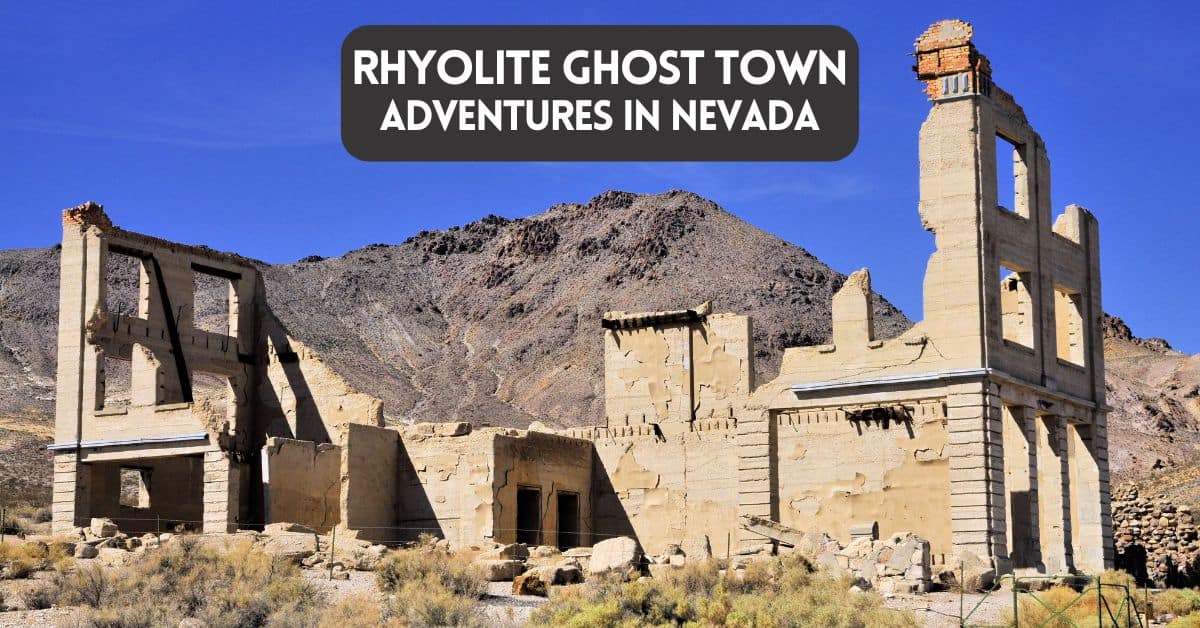
Perhaps no structure better symbolized Rhyolite’s ambitions than the three-story bank building, which cost an astounding $90,000 to construct—equivalent to millions of dollars in today’s currency. The town also established a stock exchange, Board of Trade, and even a miners’ union hospital, demonstrating the residents’ confidence in their community’s future.
One of Rhyolite’s most famous landmarks emerged from the creativity of miner Tom T. Kelly, who constructed his Bottle House using approximately 50,000 beer and liquor bottles. This ingenious recycling project not only created a sturdy dwelling but also became an enduring symbol of frontier resourcefulness.
The Inevitable Decline
The financial panic of 1907 marked the beginning of the end for Rhyolite’s golden age. As nationwide economic troubles spread, mines began closing and banks failed throughout the region. Local newspapers shut down as residents departed in search of new opportunities. By 1910, the town’s population had dwindled to just 611 residents, and mill production dropped dramatically to $246,661.
The final blow came on March 14, 1911, when directors voted to close the Montgomery Shoshone mine and mill. By 1916, the last lights flickered off in Rhyolite, leaving behind only memories and the weathered structures that visitors can explore today.
Getting to Rhyolite Ghost Town from Death Valley
Planning your visit to Rhyolite is straightforward, as the ghost town sits conveniently along one of the main routes between Death Valley National Park and Nevada.
Rhyolite Ghost Town Map via Google Maps
Driving Directions
From Death Valley’s Furnace Creek Visitor Center, Rhyolite lies approximately 35 miles northeast via Highway 374 toward Beatty, Nevada. The journey takes about 45 minutes through stunning desert scenery. Watch for the clearly marked turnoff—a paved road heading north (left) from Highway 374 will lead you directly into the heart of the ghost town.
If you’re approaching from Las Vegas, the drive covers approximately 120 miles northwest and takes about 2.5 hours. From Beatty, Nevada, Rhyolite sits just 4 miles west along Highway 374.
Important Navigation Notes
Remember that Rhyolite Ghost Town is situated on a mix of federal Bureau of Land Management (BLM) and private land, but it’s not within Death Valley National Park’s official boundaries. This location makes it easily accessible year-round, without park entrance fees, although you’ll want to check current road conditions during the winter months.
Exploring Rhyolite’s Historic Ruins
The Iconic Bottle House
Your first stop should be Tom Kelly’s famous Bottle House, constructed from over 50,000 glass bottles in 1906. This remarkable structure has survived more than a century of desert weather and even served as a filming location for two Paramount Pictures productions in the 1920s. The house was carefully restored by Paramount in 1925, and today it stands as Rhyolite’s most photogenic and well-preserved landmark.
Bank Building Ruins
The massive stone walls of the three-story bank building create Rhyolite’s most dramatic ruins. These imposing remnants hint at the town’s former grandeur and provide excellent photo opportunities, especially during golden hour when the desert light illuminates the weathered stone.
Train Depot and Railroad Heritage
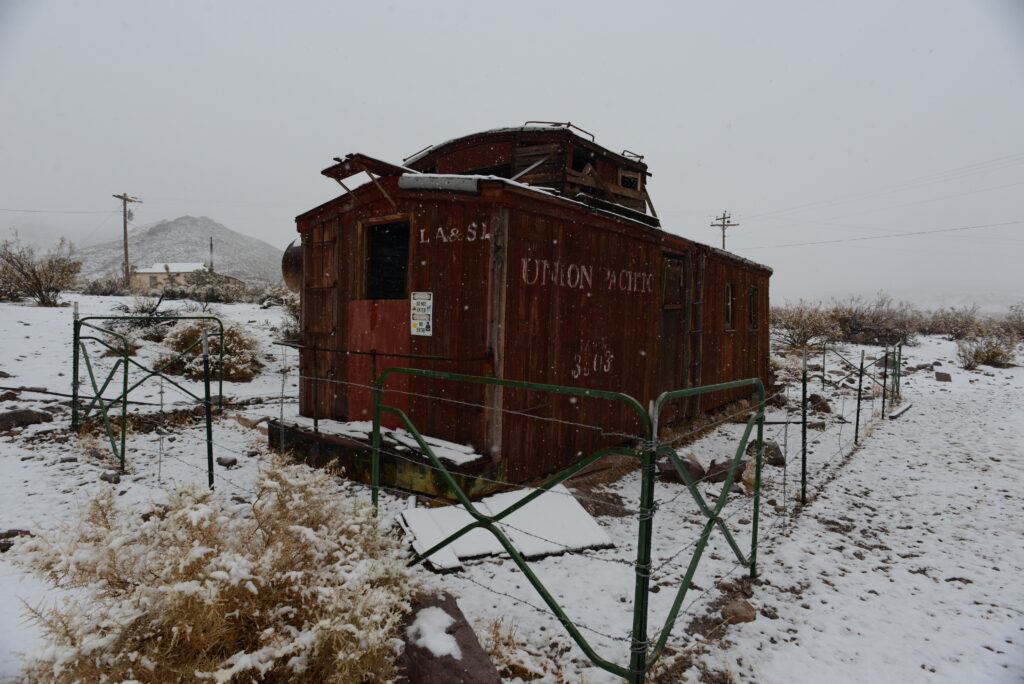
The preserved train depot, now privately owned, represents one of Rhyolite’s few complete surviving structures. Near the station, you’ll discover a Union Pacific caboose that later served as part of a 1930s gas station, adding another layer to the site’s fascinating history.
School and Community Buildings
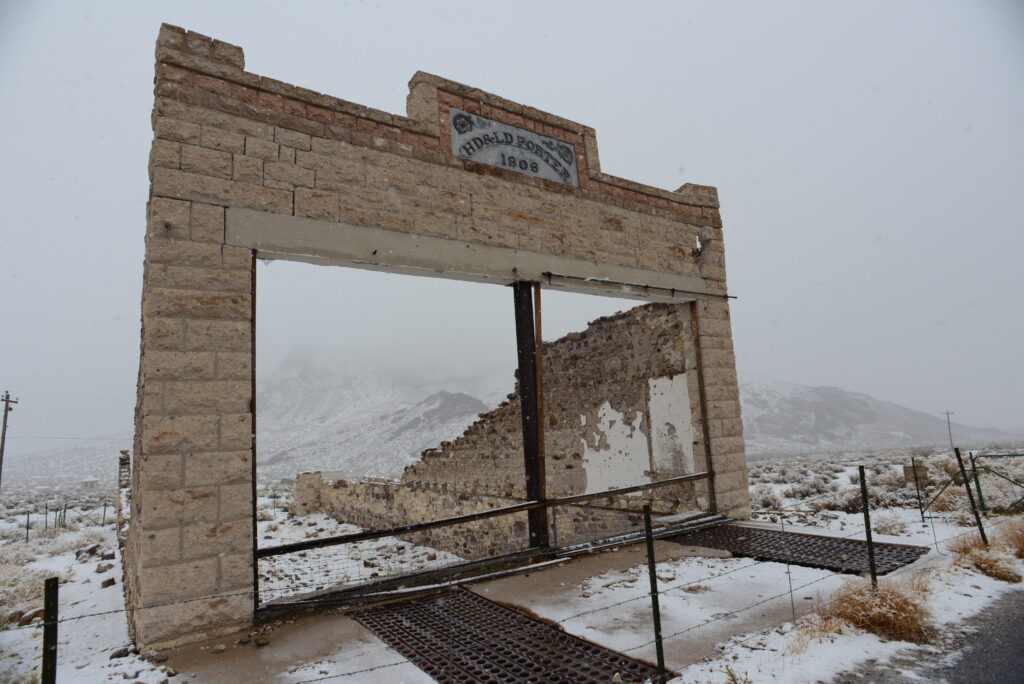
Scattered throughout the townsite, you’ll find ruins of the Rhyolite Schoolhouse (which once served 250 children), the Miners Union Hall, Porter Brothers’ Store, and the Overbury Building. Each structure tells part of the story of a community that once rivaled major cities in its amenities and ambitions.
Off the Beaten Path
For a more adventurous exploration, turn right on the dirt road just past the Miners Union Hall. This route leads to additional historic sites, including the Adobe Dance Hall, Rhyolite Jail, and even Mona Bell’s Grave—the final resting place of the town’s most famous madam.
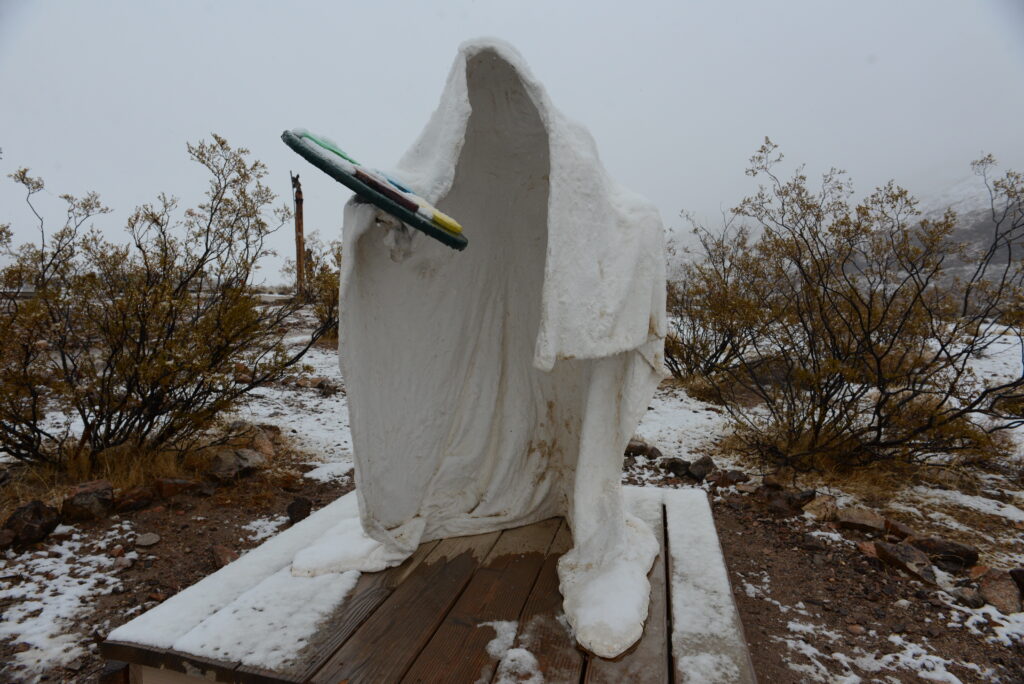
Goldwell Open Air Museum: Desert Art Meets History
Just outside Rhyolite proper, you’ll encounter one of Nevada’s most unique attractions: the Goldwell Open Air Museum. This thought-provoking outdoor art installation, situated on private land, offers free admission to visitors.
The museum features large-scale sculptures that create an intriguing contrast with the desert landscape and historic ruins. These contemporary artworks add an unexpected dimension to your Rhyolite experience, bridging the gap between the town’s Wild West past and artistic present.
Many visitors find the juxtaposition of modern art against the backdrop of century-old ruins particularly striking for photography. The museum typically remains open during daylight hours, making it a perfect addition to your ghost town exploration.
Planning Your Visit: Duration and Logistics
How Long to Spend in Rhyolite
Most visitors find that 1.5 to 2 hours provides adequate time to explore Rhyolite’s main attractions at a leisurely pace. This timeframe allows you to walk through the ruins, photograph the Bottle House, visit the cemetery, and browse the informative interpretive signs placed throughout the site.
However, if you’re particularly interested in photography, history, or want to include the Goldwell Open Air Museum in your visit, plan for up to 3 hours. The combination of ghost town exploration and contemporary art viewing creates a full morning or afternoon adventure.
Essential Visitor Information
Admission: Free of charge
Facilities: Vault toilet near the train depot; no other services available
Best Times: Early morning or late afternoon for optimal lighting and cooler temperatures
Parking: Pull off along the main road; designated parking areas available
Safety Considerations
Desert exploration requires preparation and caution. Bring plenty of water, wear sun protection, and use sturdy footwear for walking on uneven terrain. Be alert for wildlife including scorpions, rattlesnakes, bees, wasps, and spiders that may shelter in or around the ruins.
Many historic structures are fenced for safety reasons—respect these barriers and avoid climbing on unstable ruins. Watch your step around building foundations and debris, as desert weathering can create hidden hazards.
Climate and Seasonal Considerations
Rhyolite’s desert location means extreme temperature variations throughout the year. Summer visits can be brutally hot, with temperatures often exceeding 100°F. Consider avoiding June through August unless you’re prepared for intense heat and can visit during very early morning hours.
Spring (March-May) and fall (September-November) offer the most comfortable conditions for exploring, with mild temperatures and clear skies that are ideal for photography.
Winter visits are possible, but be prepared to bring layers, as desert temperatures can drop surprisingly low, especially during early morning and evening hours. We experienced snow during our winter visit. The weather was great for wandering in our opinion, and we would have spent more time exploring the local landscape; however, our companions were more interested in getting back into the warm car and journeying to the next destination. Next time.
Capturing Rhyolite: Photography Tips
Rhyolite offers exceptional photography opportunities for both amateur and professional photographers. The contrast between weathered ruins and stark desert landscape creates compelling compositions throughout the day.
Golden Hour Magic
Plan your visit around sunrise or sunset for the most dramatic lighting conditions. The warm desert light illuminates the stone ruins beautifully, while long shadows add depth and mystery to your photographs. The Bottle House becomes particularly photogenic during these times, with light filtering through the colored glass bottles.
Composition Ideas
Frame the bank building ruins against the distant mountains for epic landscape shots. Use the train depot’s surviving structure as a foreground element to add depth to desert vistas. The cemetery provides intimate glimpses of personal stories, while wide shots of the entire townsite help convey the scale of Rhyolite’s former ambitions.
Respecting the Site
While photographing, remember that Rhyolite is both a historic site and a fragile desert ecosystem. Stay on established paths whenever possible, avoid moving or removing artifacts, and be mindful of other visitors sharing the space.
Best Camera Lens for Rhyolite Ghost Town Photography
For visitors planning to explore and photograph Rhyolite Ghost Town with just one camera lens, a wide-angle zoom is the top recommendation.
A lens in the 15mm to 24mm range (full-frame equivalent) allows photographers to capture the sweeping vistas and dramatic ruins that define the area, maximizing the ability to frame both the expansive desert surroundings and the intricate details of historic structures in creative ways. This focal length is especially well-suited for sunrise or sunset, when the light changes rapidly and wider compositions can emphasize the town’s eerie beauty and the broad Nevada skies.
Additionally, using a wide-angle lens enables unique perspectives on Rhyolite’s most famous subjects, like the ruins of the Cook Bank or the Bottle House, and provides flexibility for both landscapes and close-up architectural shots.
If one lens must be chosen, an ultra-wide lens or standard wide-angle zoom (such as a 16-35mm, 18-35mm, or even a 20-60mm, if available) will deliver the most versatility and creative options for documenting the ghost town’s haunting atmosphere.
Shop Wide Angle Camera Lenses on Amazon
Beyond Rhyolite: Extending Your Desert Adventure
Death Valley National Park
Since Rhyolite sits just outside Death Valley National Park, consider combining your visit to the ghost town with a park exploration. Popular nearby attractions include Badwater Basin (the lowest point in North America), Artist’s Palette (featuring colorful mineral deposits), and Zabriskie Point (a renowned sunrise photography hotspot).
Beatty, Nevada
The small town of Beatty, just 4 miles from Rhyolite, offers basic services including gas, food, and lodging. The Beatty Museum offers additional context about the region’s mining history, making it a nice complement to your Rhyolite visit.
Other Ghost Towns
If Rhyolite sparks your interest in Nevada’s ghost towns, consider exploring Goldfield (approximately 40 miles north) or the more remote Belmont (which requires high-clearance vehicles). Each offers different perspectives on Nevada’s mining heritage.
Where to Stay When Visiting Rhyolite
There are numerous options to consider for an overnight stay when visiting Rhyolite Ghost Town. Check out our blog post on the best places to stay when visiting Death Valley for ideas.
Where to Stay When Visiting Death Valley
Use our interactive map to find more places near Death Valley:
Watch On YouTube – Rhyolite & Goldwell Open Air Museum Video
Discover the Magic of Nevada’s Desert Past
Rhyolite Ghost Town stands as a powerful reminder of the American West’s boom-and-bust cycles, where dreams of striking it rich could build entire cities—and economic reality could just as quickly reduce them to ruins. Your visit offers more than just historical education; it provides a tangible connection to the hopes, struggles, and determination of the people who carved communities from the harsh desert landscape.
The combination of well-preserved ruins, fascinating history, and stunning desert scenery makes Rhyolite a must-visit destination for anyone exploring the Death Valley region. Whether you’re drawn by the photography opportunities, intrigued by Wild West history, or simply seeking a unique adventure, this remarkable ghost town delivers an authentic taste of Nevada’s mining heritage.
Pack your water, charge your camera, and prepare to step back in time at one of the American West’s most compelling ghost towns. The spirits of Rhyolite’s boom days await your discovery.
Thanks for reading this article about visiting Rhyolite, Nevada
Art & Julie
The Places Where We Go
Podcast Episode: Ryholite and Death Valley Day Trips
Listen to our podcast episode – Ghost Town Adventures, Aliens, and Desert Opera House: Death Valley Day Trips, and hear about our experiences in the Death Valley Area.
More Reading
Explore Nevada – Our articles, podcasts, and videos about things to do and places to go in Nevada.
