
Discover Sattitla Highlands National Monument: Visitors Guide
Last updated: August 2026 — reviewed for accuracy. Information is subject to change – always consult official sources for the most up-to-date conditions.
Get ready to immerse yourself in one of California’s most spectacular and diverse landscapes—the newly designated Sáttítla Highlands National Monument. Spanning over 224,000 breathtaking acres, this incredible destination includes sections of the Modoc, Shasta-Trinity, and Klamath National Forests. Whether you’re an outdoor enthusiast, a history buff, or someone seeking spiritual connection, the Sáttítla Highlands promises new adventures. Our Sattitla Highlands National Monument visitors guide will help you learn what you can experience on a visit to the area.
The Places Where We Go contains affiliate links and is a member of the Amazon Services LLC Associates Program. As an Amazon Associate, we earn from qualifying purchases at no extra cost to you when you purchase using one of these Amazon links. Read our disclaimer and privacy policy for more information.
Sáttítla Highlands National Monument at a Glance
Established: January 14, 2025
Location: Far Northern California, centered around the Medicine Lake Highlands
Size: 224,676 acres
Managed by: U.S. Forest Service — Modoc, Shasta-Trinity and Klamath National Forests
Best starting point for visitors: Medicine Lake Recreation Area
Entrance fee: No monument-wide entrance fee
Popular activities: Hiking, camping, scenic driving, boating, fishing, wildlife viewing and stargazing
Landscape: Volcanic craters, lava flows, lava tubes, obsidian deposits, forests and high-elevation lakes
Elevation: Medicine Lake sits at about 6,770 feet
Cell service: Limited to nonexistent in many areas
Best time to visit: Generally summer through early fall, depending on snow and road conditions
Before you go: Check current U.S. Forest Service road, fire and recreation conditions, especially outside the summer season.
A Sacred Land with Deep Roots
The Sáttítla Highlands are the ancestral homelands of the Pit River Tribe and Modoc Peoples and hold sacred significance for many other Indigenous communities, including the Karuk, Klamath, Shasta, Siletz, Wintu, and Yana peoples. Visiting this area is not just a trip to a beautiful site—it’s an opportunity to walk through lands that resonate deeply with centuries of cultural and spiritual traditions, all carefully preserved and celebrated through this monument designation.
Discover a Volcanic Wonderland
At the heart of the Sáttítla Highlands is the awe-inspiring Medicine Lake Volcano, an enormous dormant volcano that spans an area 10 times larger than Mount St. Helens. This region’s volcanic past has shaped a surreal landscape filled with cinder cones, spatter cones, and lava tubes. Don’t miss exploring Giant Crater, which boasts the world’s longest known lava tube system, originating right here in Sáttítla. This dramatic terrain alternates between stark lava fields and lush, vibrant forests, making every turn on your hike an unforgettable experience.
Rare Wildlife and Stunning Flora
Bring your binoculars and cameras because this area is teeming with rare and culturally significant species. Keep an eye out for the elusive northern spotted owl, the unique Cascades frog, and the long-toed salamander. If you’re a plant lover, don’t miss spotting the sugarstick, a fascinating parasitic plant closely linked to old-growth forests. Every corner of this monument tells a story of nature’s resilience and beauty.
Get Free Weekly Travel Planning Guide
Destination Ideas – Practical Tips – Timely Travel News

Where to stay when visiting Sáttítla Highlands
Check out our interactive map to find hotels and lodging options for your visit to Sáttítla Highlands:
Adventure for the Outdoor Enthusiast
The Sáttítla Highlands are a paradise for anyone looking to connect with nature. Whether you’re hiking through relict forests, climbing volcanic terrain, or simply taking in the tranquil beauty of the landscape, this region offers something for every adventurer. Beyond its rugged beauty, the area plays a critical role in water conservation, with rainwater filtering through volcanic rock to recharge essential underground aquifers that supply Northern California communities.
History and Culture
Before we delve into the natural wonders of Sáttítla Highlands, it’s important to understand its rich history and cultural significance. Sáttítla is an Ajumawi-language name meaning “obsidian place. This area has been home to various indigenous tribes for thousands of years, leaving behind a legacy still evident in the landscape today.
A Legacy of Resilience and Adaptation
The indigenous peoples of the Sáttítla Highlands have a long history of adapting to the challenges presented by this unique environment. From volcanic eruptions to droughts, these communities have found ways to thrive in this rugged landscape. Their knowledge and practices have shaped the land and continue to play an essential role in preserving its cultural and ecological significance.
Preserving Sacred Sites
One of the main reasons for designating Sáttítla Highlands as a national monument was to protect sacred sites that hold deep spiritual meaning for Indigenous communities. These include ancient archaeological, cultural, ceremonial, and sacred places. Visitors can learn about and respect these sites’ cultural significance while supporting their preservation by visiting this monument.
A Monument for All
Sáttítla Highlands was designated a National Monument in 2025 by President Joe Biden. By visiting the Sáttítla Highlands National Monument, you’re stepping into a landscape of unparalleled beauty and helping preserve its cultural, historical, and ecological legacy. This newly protected land is a gift to all Americans, ensuring that its majestic trails, sacred sites, and diverse ecosystems remain intact for generations.
Activities to Enjoy at Sáttítla Highlands National Monument
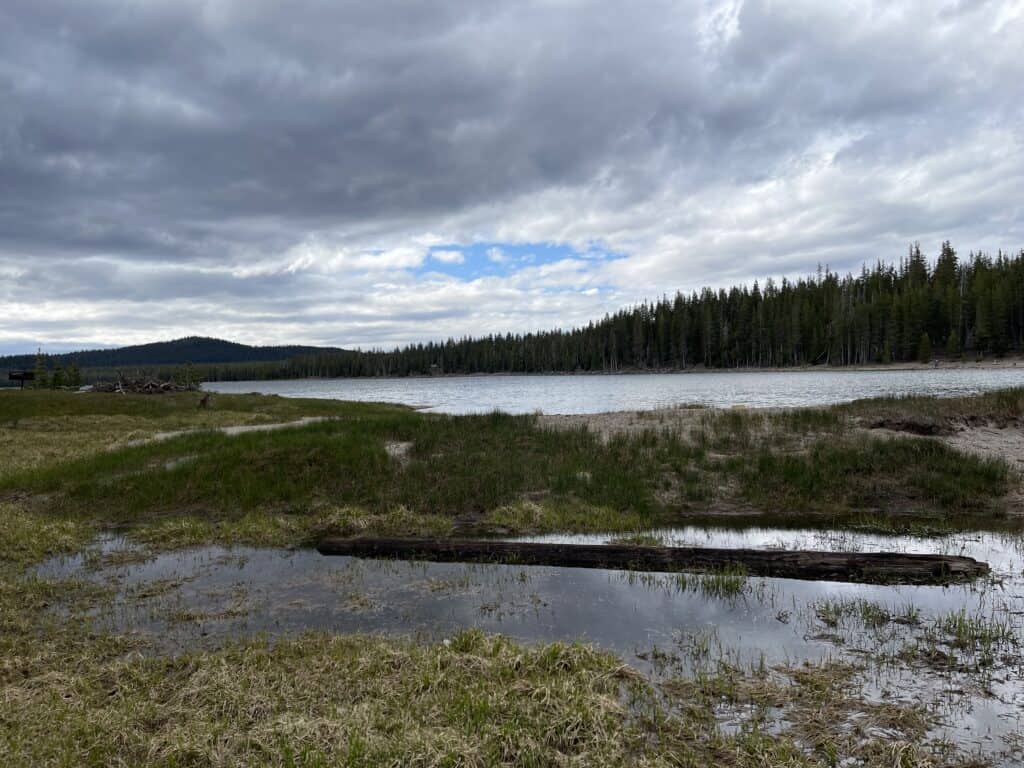
- Hiking Trails: With hundreds of miles of hiking trails that wind through diverse landscapes in the broader area, you have plenty of hiking options to choose from. Don’t miss exploring the Giant Crater lava tubes, Little Mt. Hoffman trail, Medicine Lake Lava Flow, boating/swimming at Medicine Lake, scenic driving, and stargazing. We enjoyed a visit to Medicine Lake during our recent visit to the area.
- Camping Sites: Immerse yourself in nature by spending a night under the stars at one of the many campgrounds within and nearby Sáttítla Highlands National Monument. The Medicine Lake Recreation Area has five campgrounds and 86 sites, with some reservable sites and others more primitive. In the broader area, you’ll find a range of camping opportunities, from primitive campsites to RV-friendly locations.
Camping in Sáttítla Highlands National Monument
For visitors who want to spend the night in Sáttítla Highlands National Monument, the Medicine Lake Recreation Area makes an excellent base for exploring the surrounding volcanic landscape. Located at about 6,770 feet in elevation, the recreation area includes five developed campgrounds: Medicine, A.H. Hogue, Hemlock, Headquarters and Schonchin Springs. Together, they offer 86 campsites ranging from smaller, more rustic sites to sites capable of accommodating some RVs and travel trailers.
Camping here is relatively primitive compared with a full-service RV park. Sites are generally non-electric, so don’t expect water, sewer, or electrical hookups at your campsite. Campground facilities include vault toilets, water hydrants and trash dumpsters, and individual campsites typically have a picnic table, fire ring and barbecue grill. Schonchin Springs Campground does not have drinking water, so campers staying there should arrive prepared.
A limited number of campsites in the Medicine Lake area can be reserved in advance, while most camping in the Modoc National Forest remains first-come, first-served. RV and trailer size limits vary considerably by individual campsite, so travelers with larger rigs should check the specifications for a particular site before arriving rather than assuming every campground can accommodate them.
Medicine Lake is a particularly appealing place to camp if you want to combine sightseeing with outdoor recreation. From the recreation area, visitors have access to swimming, fishing and boating on Medicine Lake, as well as hiking and mountain biking trails. The Medicine Lake Lava Flow is accessible by a short hike, while Glass Mountain and the Burnt Lava Flow Geologic Area are within a short drive.
What to Know Before Camping at Medicine Lake
Because of the area’s high elevation and remote location, the camping season can vary with snowpack and road conditions. Don’t assume the campgrounds will be accessible simply because lower-elevation areas of Northern California are snow-free. Check current Modoc National Forest conditions and campground status before making the drive. Cell phone reception is also extremely limited and may be nonexistent around Medicine Lake, so download maps and other information you may need before arriving.
Campers should also check current fire restrictions before their visit, since restrictions can change during Northern California’s summer and fall fire season. The Forest Service generally limits stays in Modoc National Forest campgrounds to 14 days. At Medicine Lake Recreation Area, individual campsites accommodate a maximum of 10 people and two vehicles.
One other planning consideration comes in July. An annual Pit River Tribal Gathering takes place at Medicine Lake and can temporarily affect public campsite availability in portions of the recreation area. It is always recommended to check Recreation.gov for current campground information and closures before traveling.
Tip: Medicine Lake is quite remote. Arrive with fuel, food, drinking water, and other essential supplies rather than planning to purchase them after reaching the recreation area. Check Recreation.gov and the Modoc National Forest website shortly before departure for the latest campground, road, fire and seasonal-access information.
Prefer a hotel?
Because Sáttítla is remote, travelers who don’t want to camp should consider lodging in one of the gateway communities. Check out our interactive map below to explore options.
Getting to Sáttítla Highlands National Monument
Located in northern California, Sáttítla Highlands National Monument is easily accessible by car, making it the perfect weekend getaway. From major cities like San Francisco and Sacramento, the drive can take a minimum of 3-5 hours, depending on your starting location.
For those traveling from further distances or flying in, the nearest airport is Redding Regional Airport (RDD), which offers daily flights from major cities such as Los Angeles, Seattle, and Portland.
Need a rental car? Sáttítla Highlands is a remote destination where having your own vehicle is essential for exploring the Medicine Lake area and surrounding attractions. You can compare rental car rates through Discover Cars before your trip.
Travel Tips for Visiting Sáttítla Highlands National Monument:
- Wear comfortable, sturdy hiking shoes, as many trails can be rocky and uneven.
- Bring plenty of water and snacks, especially during the hot summer months. The monument has limited services, so it’s best to be prepared.
- Respect the land and its indigenous history by sticking to designated trails and not disturbing any cultural sites or artifacts.
- Watch for wildlife such as bears, cougars, and snakes. Make sure to store food properly to avoid attracting animals.
- Check weather conditions before your trip and dress accordingly. The temperature can vary significantly throughout the day, so layers are recommended.
Pair Sáttítla Highlands with Nearby Adventures
After exploring the breathtaking landscapes and rich cultural history of Sáttítla Highlands National Monument, why not extend your trip and discover more of what Northern California has to offer? Here are some nearby adventures that pair perfectly with a visit to this national monument:
- Lava Beds National Monument: Just an hour’s drive away from Sáttítla Highlands, Lava Beds National Monument is home to over 700 lava tube caves waiting to be explored. Hike through these unique geological features or take a ranger-led tour for an informative and exciting experience. Be sure to check out our YouTube video highlighting our Lava Beds National Monument visit.
- Shasta-Trinity National Forest: With over 2 million acres of pristine wilderness, it offers endless opportunities for outdoor recreation. From hiking and camping to fishing and boating, there’s something for everyone in this diverse landscape.
- Tule Lake National Monument: About an hour from the Medicine Lake area, Tule Lake National Monument preserves important sites connected to the incarceration of Japanese Americans during World War II. Begin at the Tule Lake Visitor Center to learn about the former Tule Lake Segregation Center. which became the largest and most controversial of the ten War Relocation Centers. During the summer season, ranger-guided tours provide access to significant areas, including the historic jail and stockade, that are otherwise inaccessible to the public.
- Whiskeytown National Recreation Area: Located just 45 minutes from Sáttítla Highlands, this national recreation area is a paradise for water activities. Spend the day swimming, kayaking, or paddleboarding on Whiskeytown Lake before exploring scenic hiking trails through the beautiful mountains.
We have a few additional YouTube videos highlighting our visits in the area, including:
Captain Jack’s Stronghold
Petroglyph Point at Lava Beds National Monument
Tule Lake National Monument
Tule Lake National Wildlife Refuge
Exploring multiple destinations? Plan your accommodations beforehand to maximize your trip!
Sáttítla Highlands National Monument FAQs
Yes. Sáttítla Highlands National Monument is open for public recreation, including hiking, camping, scenic driving, boating, fishing and other outdoor activities. However, this is a remote, high-elevation landscape, and individual roads, campgrounds, and recreation areas may be inaccessible or closed seasonally due to snow, wildfire conditions, or other hazards. Check current U.S. Forest Service conditions before setting out, particularly outside the summer season.
There is no monument-wide entrance fee simply to visit Sáttítla Highlands National Monument. However, fees may apply for certain developed recreation facilities, such as campgrounds or other amenity sites. If you plan to camp at Medicine Lake or use developed facilities, check current U.S. Forest Service or Recreation.gov information for any applicable fees before your trip.
Sáttítla Highlands National Monument is managed by the U.S. Forest Service. Its 224,676 acres encompass federal lands within the Modoc, Shasta-Trinity and Klamath National Forests. The monument was designated on January 14, 2025, to protect its significant natural, cultural, historic and scientific resources while continuing appropriate public recreation.
For most first-time visitors, Medicine Lake Recreation Area is an excellent place to begin. Located at about 6,770 feet in the Medicine Lake Highlands, the area provides access to Medicine Lake, campgrounds, hiking and mountain biking trails, boating, fishing and swimming. Nearby attractions include the Medicine Lake Lava Flow, Glass Mountain and the Burnt Lava Flow Geologic Area, making this a convenient base for experiencing the monument’s volcanic landscape. Cell service is extremely limited around Medicine Lake, so download maps and essential information before arriving.
A Few Things Worth Bringing to Sáttítla
Everyone’s needs will be a bit different depending on your travel style. We’ve found the following items useful during our visit to the area:
- Portable power bank (useful when exploring the entire day and need to refresh power on devices)
- Headlamp (essential if you’ll be exploring Lava tubes)
- Paper California/Northern California road atlas (National Geographic’s version is a benchmark)
- Small daypack (we recommend packs from Osprey)
Conclusion
The newly designated Sáttítla Highlands National Monument will offer many opportunities to connect with nature. The area already has numerous hiking trails and camping options.
The National Monument is managed by the USDA Forest Service across the Modoc, Shasta-Trinity, and Klamath National Forests. The original proclamation directs the Forest Service to prepare that management plan within three years of the January 14, 2025 designation. A long-term monument management plan is expected to guide future recreation, access, and resource protection.
Thanks for reading our Sáttítla Highlands National Monument visitor’s guide. Happy travels, and we hope to see you at the places where we go!
Julie & Art
REFERENCE INFORMATION
Official U.S. Forest Service Sáttítla Highlands National Monument page
Also check out our California articles for more travel inspiration
