
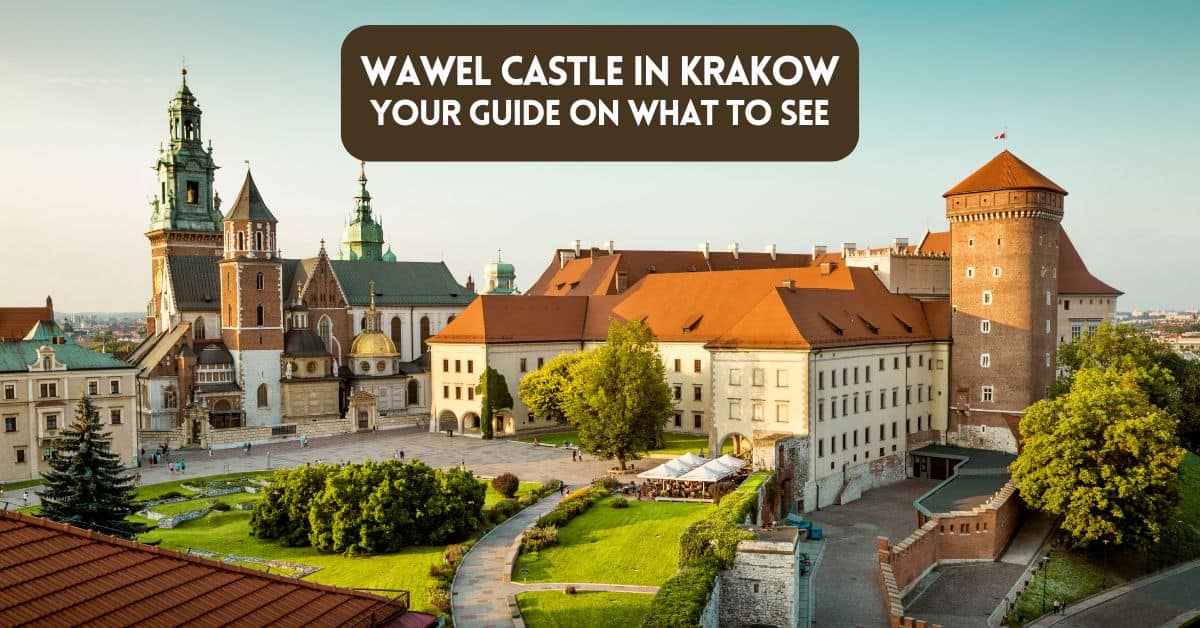
Your Guide to Visiting Wawel Castle in Krakow – What To See
Standing majestically on a limestone hill overlooking the Vistula River, Wawel Castle captures the imagination of every traveler who sets foot in Krakow. This isn’t just another tourist attraction—it’s the beating heart of Polish heritage, where centuries of royal drama, architectural brilliance, and cultural treasures await your discovery.
Whether you’re drawn to the stunning Gothic cathedral where Polish kings were crowned, fascinated by the opulent Royal Apartments, or eager to explore one of Europe’s most significant castle complexes, Wawel Castle promises an unforgettable journey through Polish history. From practical visiting tips to hidden gems within the castle grounds, this comprehensive guide will help you make the most of your adventure at this UNESCO World Heritage site.
The Places Where We Go contains affiliate links and is a member of the Amazon Services LLC Associates Program. As an Amazon Associate, we earn from qualifying purchases at no extra cost to you when you purchase using one of these Amazon links. Read our disclaimer and privacy policy for more information.
Let’s unlock the secrets of Wawel Castle and ensure your visit becomes a highlight of your Polish adventure.

A Journey Through Time: The Rich History of Wawel Castle
Wawel Castle’s story spans over a millennium, making it one of Europe’s most historically significant royal residences. The hill itself has been inhabited since the Stone Age, but the castle as we know it today began taking shape in the 11th century when King Casimir I the Restorer established his royal court here.
The castle served as the primary residence of Polish monarchs for nearly 600 years, witnessing the rise and fall of dynasties, the crowning of kings, and pivotal moments that shaped Poland’s destiny. During the Renaissance, King Sigismund I the Old transformed the medieval fortress into a magnificent palace, creating one of the finest examples of Renaissance architecture north of the Alps.
Get Free Weekly Travel News Updates

Architectural Marvel Through the Ages
The castle complex showcases an extraordinary blend of architectural styles, each telling its own chapter of Polish history. The Romanesque foundations give way to Gothic elements, crowned by Renaissance masterpieces and Baroque additions. This architectural evolution reflects Poland’s cultural exchanges with Italy, France, and other European powers throughout the centuries.
The castle played a crucial role in Polish governance until 1609 when the capital moved to Warsaw. However, Wawel remained the spiritual heart of Poland, continuing to host coronations and serving as the final resting place for Polish royalty. Even during the darkest periods of occupation and partition, Wawel Castle stood as a symbol of Polish resilience and national identity.
Planning Your Visit: Getting to Wawel Castle
Reaching Wawel Castle is straightforward, thanks to Krakow’s excellent transportation network and the castle’s central location in the historic Old Town.
Address: Wawel 5, 31-001 Kraków, Poland
GPS Coordinates: 50.0546° N, 19.9352° E
Public Transportation Options
The most convenient way to reach Wawel Castle is by tram. Several tram lines stop near the castle, with the closest stops being “Stradom” and “Poczta Główna.” From either stop, it’s just a pleasant 5-minute walk through Krakow’s charming streets to the castle entrance.
Buses also provide excellent access to the area, with multiple lines serving the nearby stops. The city’s public transportation system is efficient and affordable, making it an excellent choice for budget-conscious travelers.
Parking Information
If you’re driving, several parking facilities are available within walking distance of the castle. The closest options include parking lots near the Vistula River and in the surrounding Old Town area. However, parking spaces can be limited, especially during peak tourist seasons, so arriving early is advisable.
Street parking is available but often restricted in the immediate castle vicinity. Consider using one of the designated parking areas slightly further away and enjoying a scenic walk through Krakow’s historic streets.
Essential Visitor Information: Hours and Admission
Wawel Castle operates on a seasonal schedule, with extended hours during the busy summer months and reduced hours in winter. The castle complex typically opens at 9:30 AM, but closing times vary throughout the year.
Opening Hours by Season
April to October (High Season):
- Monday: Closed (except for castle grounds)
- Tuesday to Friday: 9:30 AM – 5:00 PM
- Saturday to Sunday: 9:30 AM – 6:00 PM
November to March (Low Season):
- Monday: Closed
- Tuesday to Friday: 9:30 AM – 4:00 PM
- Saturday to Sunday: 9:30 AM – 4:00 PM
Ticket Prices and Options
Admission fees vary depending on which areas of the castle you wish to explore. Individual tickets are available for specific attractions, or you can purchase combination tickets for better value.
Visit the Official website for Wawel Castle Tickets
Money-Saving Tips: Consider purchasing a combination ticket if you plan to visit multiple attractions. Group discounts are available for parties of 10 or more, and audio guides can enhance your experience for an additional fee.
The experience of getting tickets here can be long, so you should plan accordingly. When we arrived at the ticket booth, maybe 20 to 30 people were in front of us. It took over 45 minutes of standing in the sun before we got to the front of the line.
Entry for the different sections of the castle is a la carte and time-stamped. And because the tickets are time-stamped, the order in which you select to visit the places on the castle grounds matters. So make sure you give yourself ample time for each part of the castle you visit.
There are free tickets for guided groups, but these are limited; once they’re gone, they’re gone. The free tickets are only available at the ticket window. Advance tickets before the day of your visit are available online, but only within the week of your visit. There are limited tickets available per day.
When you visit, you cannot enter with backpacks, large bags, baby carriers with frames, strollers, umbrellas, or Nordic walking sticks. If you have such items, you can check them in the Checkroom in the arcaded courtyard before entering the exhibitions.
Guided Tours vs. Self-Guided Exploration
Both guided and self-guided options offer unique advantages. Professional guided tours provide in-depth historical context and access to areas sometimes restricted to individual visitors. Tours are available in multiple languages, including English, German, French, and Spanish.
Self-guided visits offer flexibility to explore at your own pace, spending more time in areas that capture your interest. Audio guides are available in several languages and provide excellent commentary about the castle’s history and significance.
Discovering Wawel’s Treasures: What to See
Wawel Cathedral: The Spiritual Heart of Poland
No visit to Wawel Castle is complete without exploring the magnificent Wawel Cathedral, officially known as the Cathedral Basilica of Saints Stanislaus and Wenceslaus. This Gothic masterpiece has witnessed the coronations of Polish kings and queens for centuries.
The cathedral’s interior houses numerous royal tombs, including those of Saint Stanislaus, King Casimir III the Great, and more recent additions like President Lech Kaczyński. The Sigismund Chapel, often called the “Pearl of the Renaissance,” showcases stunning Italian Renaissance architecture and houses royal sarcophagi.
Don’t miss climbing the Sigismund Tower to see the famous Sigismund Bell, one of Poland’s most important historical artifacts. The bell, cast in 1520, is rung only on the most significant national occasions.
Royal State Rooms: A Glimpse into Royal Life
The Royal State Rooms transport visitors back to the golden age of Polish monarchy. These lavishly decorated chambers showcase the lifestyle of Polish royalty and feature an incredible collection of Renaissance art, furniture, and decorative objects.
The highlight of this section is the famous collection of Flemish tapestries commissioned by King Sigismund II Augustus. These 16th-century masterpieces, known as the “Jagiellonian Tapestries,” are considered among the finest examples of Renaissance textile art in the world.
These rooms are ornate and spacious, high-ceilinged rooms. Back in the day, ceremonial events occurred here, as did the Sejm and senate sessions. Royal audiences, wedding receptions, and balls occurred within the stateroom walls. Staterooms are available to visit over three levels. You’ll see fantastic artwork and furniture from the 16th century.
Each room tells a different story of royal life, from intimate private chambers to grand reception halls where important state decisions were made. The intricate ceiling decorations, period furniture, and royal portraits create an immersive experience that brings Polish history to life.
Crown Treasury and Armory: Symbols of Power
The Crown Treasury houses Poland’s most precious royal regalia, including ceremonial swords, crowns, and other symbols of royal authority. Although many original crown jewels were lost or destroyed throughout history, the remaining collection provides fascinating insights into the pageantry and power of Polish monarchy.
This permanent exhibit is a homage to the historic institutions from the castle’s history, featuring precious historical artifacts of the official state treasure. The display includes jewelry, gold and silver items, textiles, coins, state insignias, and royal banners. A significant piece is the mantle of the Order of the Holy Spirit, gifted to Jan III Sobieski from Louis XIV upon the victory of the Battle of Vienna. The overall highlight is Poland’s Coronation Sword, used between 1320 and 1764, and is one of the most important relics of Polish history.
The Armory displays an impressive collection of medieval and Renaissance weapons, armor, and military artifacts. From ornate ceremonial swords to practical battle gear, these exhibits showcase the martial traditions that helped defend the Polish kingdom throughout the centuries.
It is worth noting that after the third partition of Poland in 1795, the Prussians looted the Crown Treasury, melted many of the contents, and deprived us of witnessing the complete former splendor of the collection.
The Lost Wawel
This exhibit showcases archeological aspects of the castle, which focus on the restored remains of the Rotunda of the Blessed Virgin Mary, Krakow’s first church, royal kitchens, and coach house. You’ll also see virtual recreations of what Wawel Hill looked like over one thousand years ago.
Wawel Recovered
After Poland’s final partition in 1794, Russian and Prussian forces seized Wawel Hill and demolished many buildings and medieval churches. Nearly a century later, work commenced on the conservation of the castle and the restoration of the cathedral. The exhibit, ‘Wawel Recovered,’ focuses on the restoration efforts to preserve the former royal residence.
Gardens and Outdoor Spaces
The castle grounds offer spectacular views over Krakow and the Vistula River, making them perfect for photography and quiet reflection. The Renaissance-style gardens provide a peaceful retreat from the bustling castle interiors.
Take time to walk along the castle walls for panoramic views of the city. The Dragon’s Den, a legendary cave beneath the castle, adds a touch of mythology to your visit. According to local legend, this cave was once home to the fearsome Wawel Dragon, defeated by the clever shoemaker Krakus, who founded the city.
Making the Most of Your Visit: Insider Tips
Best Times to Visit
Early morning visits offer the best experience, with fewer crowds and better lighting for photography. Weekdays are generally less busy than weekends, especially during the summer months. If possible, avoid visiting during Polish national holidays when the castle attracts large numbers of domestic tourists.
The shoulder seasons of spring and early autumn provide ideal weather conditions and moderate crowd levels. Winter visits offer a unique charm, with snow-covered castle grounds creating a magical atmosphere, though some outdoor areas may have limited access.
Seasonal Events and Festivals
Wawel Castle hosts various cultural events throughout the year, including classical music concerts, historical reenactments, and art exhibitions. The annual Night of Museums in May offers special late-night access with unique programming.
Summer brings outdoor concerts to the castle grounds, while the Christmas season features special decorations and themed exhibitions. Check the castle’s official website before your visit to discover any special events during your stay.
What to Bring and Photography Guidelines
Comfortable walking shoes are essential, as you’ll be exploring multiple levels and walking on various surfaces, including cobblestones and stairs. Dress in layers, as temperatures can vary significantly between outdoor areas and interior spaces.
Photography is generally permitted in outdoor areas and some interior spaces, but flash photography is prohibited to protect historical artifacts. Some exhibitions may restrict photography entirely, so always check for signs or ask staff members.
Accessibility Information
Wawel Castle is committed to providing access for visitors with mobility challenges, though the historical nature of the buildings presents some limitations. The main courtyard and several ground-floor areas are wheelchair accessible, and special arrangements can be made for visitors with disabilities.
Elevators provide access to some upper floors, and staff members are available to assist visitors with special needs. Audio guides are available in multiple formats, including options for visitors with hearing impairments.
Beyond the Castle Walls: Nearby Attractions
Your Wawel Castle adventure pairs perfectly with exploring Krakow’s other historic treasures. The Old Town Market Square, just a 10-minute walk away, features the magnificent Cloth Hall and St. Mary’s Basilica with its famous wooden altarpiece by Veit Stoss.
The Jewish Quarter of Kazimierz offers a fascinating glimpse into Krakow’s multicultural heritage, with historic synagogues, traditional restaurants, and galleries showcasing Jewish culture. The district has become a vibrant nightlife area while maintaining its historical significance.
For those interested in more recent history, the Schindler Factory Museum provides a moving exploration of Krakow during World War II. The museum’s interactive exhibits and preserved factory spaces offer powerful insights into this dark period of history.
Your Wawel Castle Adventure Awaits
Wawel Castle stands as more than just a tourist destination—it’s a gateway to understanding the soul of Poland. From the moment you ascend the limestone hill to your final glimpse of the Vistula River from the castle walls, every step reveals new layers of history, art, and culture.
The memories you’ll create exploring the Royal Apartments, marveling at the cathedral’s Gothic splendor, and wandering through centuries-old courtyards will stay with you long after your visit ends. Wawel Castle offers that rare combination of educational value and emotional impact that transforms a simple sightseeing trip into a meaningful cultural experience.
Start planning your visit today by checking the official castle website for current exhibitions and booking your tickets in advance. Your journey through Polish history and culture awaits at this magnificent royal residence that continues to inspire visitors from around the world.
Thanks for reading this article and we hope to see you at the places where we go. Happy travels!
Learn About More Places to Visit in Poland
Our Poland articles and podcast episodes
15+ Outstanding Places You Should Visit in Krakow Poland
Best Places to Visit in Krakow Market Square
