
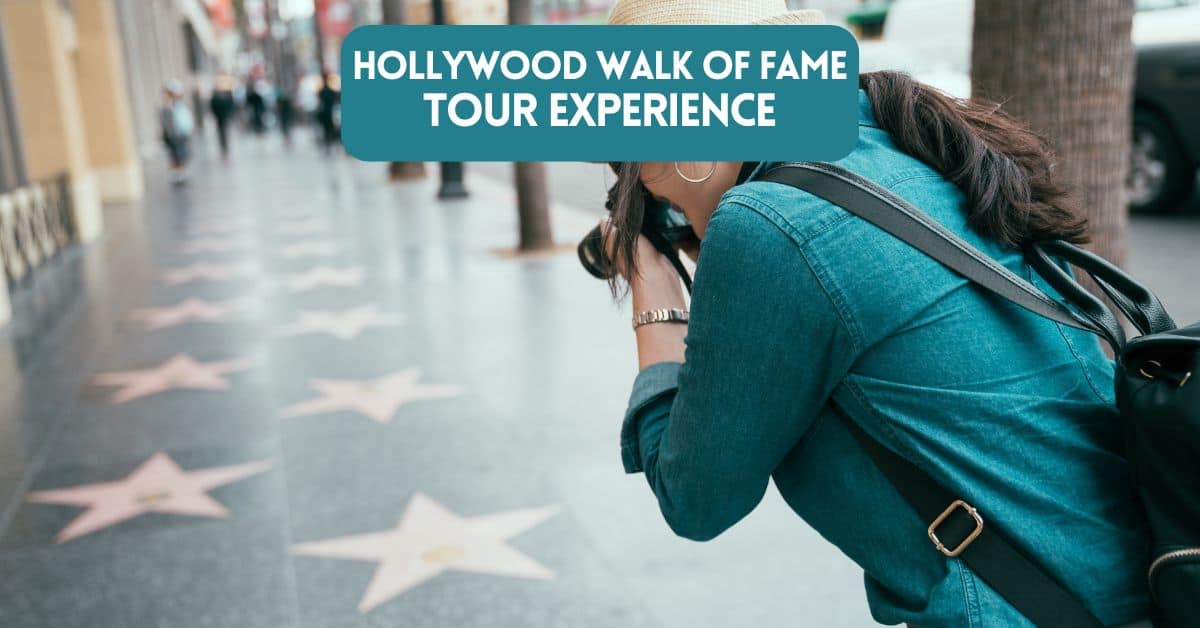
Stories and Secrets Make the Hollywood Walk of Fame Tour Special
Ever wondered what secrets lie beneath those famous pink terrazzo stars on Hollywood Boulevard? As lifelong Southern California residents who recently experienced the Hollywood Walk of Fame on a tour through fresh eyes, we discovered that this iconic attraction offers far more than celebrity handprints and photo opportunities.
The Hollywood Walk of Fame spans 1.3 miles along Hollywood Boulevard, featuring over 2,700 stars that honor entertainment legends. But beyond the glittering surface lies a treasure trove of stories, hidden histories, and local secrets that most visitors never discover. Whether you’re planning your first visit to Los Angeles or you’re a local who has never taken the time to truly explore Hollywood’s most famous street, this guide will reveal what makes the Hollywood Walk of Fame tour experience truly special.
Join us as we share the fascinating stories, insider tips, and unexpected discoveries that transformed our tourist-for-a-day adventure into an unforgettable journey through Hollywood’s golden past.
The Places Where We Go contains affiliate links and is a member of the Amazon Services LLC Associates Program. As an Amazon Associate, we earn from qualifying purchases at no extra cost to you when you purchase using one of these Amazon links. Read our disclaimer and privacy policy for more information.
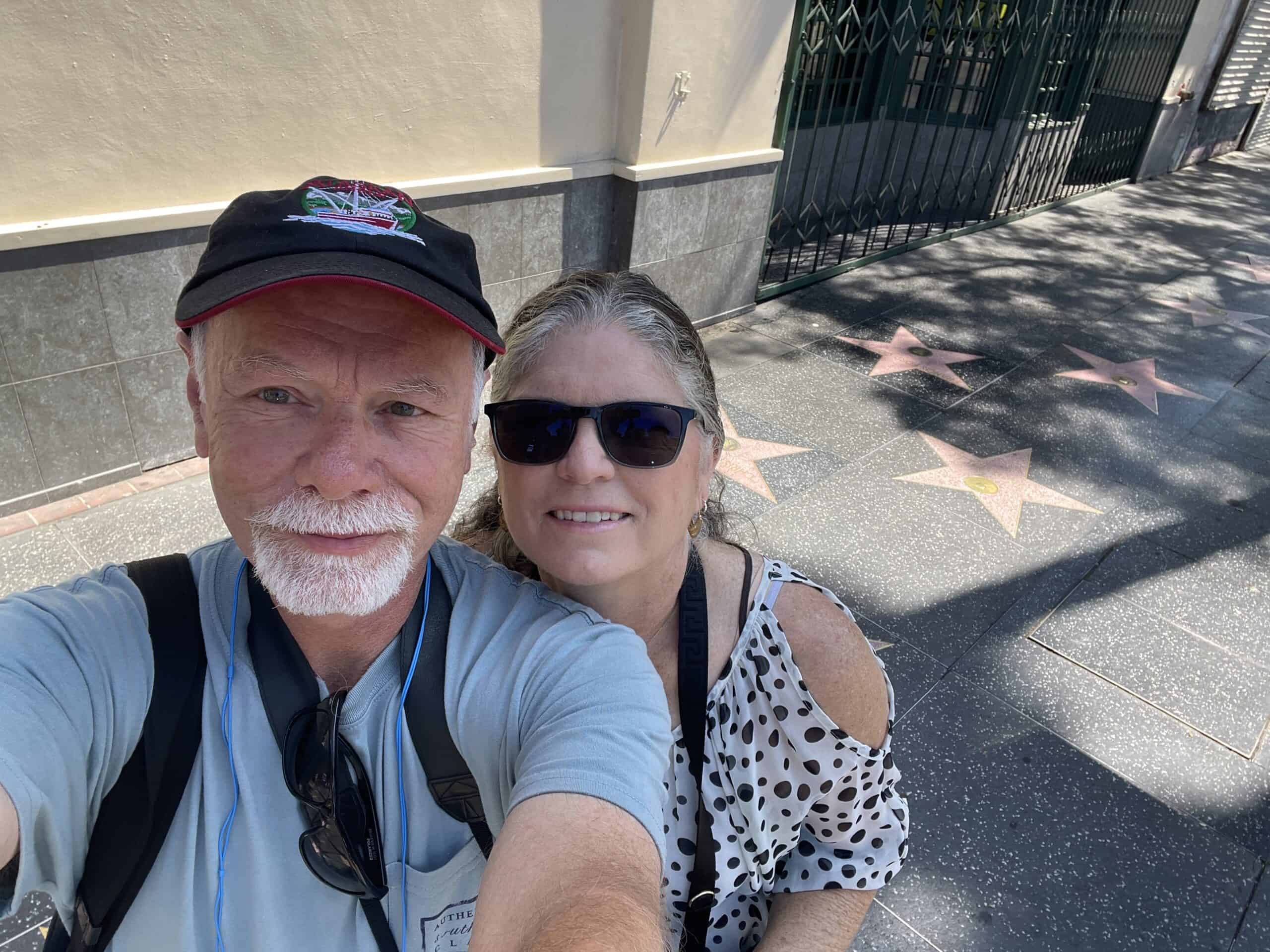
LA Ghosts Tours
We want to give a shout-out to LA Ghosts Tour Company for inviting us to this experience.
LA Ghosts offers a glimpse behind the dazzling facade of Tinseltown, revealing the dark and disturbing realities that lurk beneath its bright lights. Unlike tours focused on urban myths, they explore the authentic history of Los Angeles, where misfortune and celebrity intersect. Their narratives, based in truth, uncover the ghosts of bygone icons and the haunting echoes of Hollywood’s golden era. You are guided to locations where the specters of the city’s notorious personalities reside, providing an unparalleled encounter for those eager to discover the haunted aspect of Los Angeles that typically goes unseen.
Get Free Weekly Travel Planning Guide
Destination Ideas – Practical Tips – Timely Travel News

The Magic Behind Hollywood’s Most Famous Street
A Century of Entertainment History
The Hollywood Walk of Fame began in 1958 as a way to honor the biggest names in entertainment. What started as a marketing initiative to revitalize Hollywood Boulevard has become one of the world’s most recognizable tourist attractions. Each star represents not just a celebrity, but a piece of entertainment history that spans radio, television, motion pictures, recording, and live performance.
The selection process for receiving a star involves more than fame alone. Celebrities or their sponsors must pay approximately $55,000 for the honor, and nominees must demonstrate excellence in their field along with community involvement. This combination of achievement and investment ensures that each star represents lasting contributions to entertainment.
Stories That Bring History to Life
What makes a Hollywood Walk of Fame tour truly special are the stories that connect these stars to Hollywood’s rich past. The stars themselves tell stories of Hollywood’s evolution. From Charlie Chaplin’s era of silent films to modern-day streaming stars, each name represents a different chapter in entertainment history. Understanding these connections transforms a simple walk down Hollywood Boulevard into a journey through America’s cultural heritage.
Hidden Gems and Local Secrets Along the Route
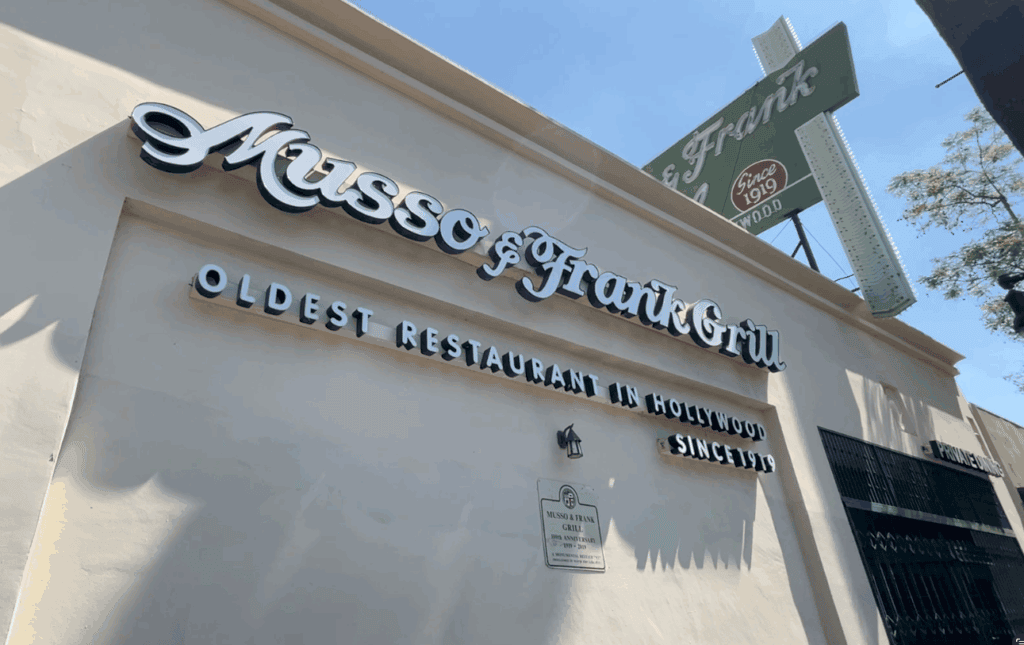
Musso & Frank Grill: Where Hollywood Legends Dined
Founded in 1919, Musso & Frank Grill holds the distinction of being Hollywood’s oldest restaurant. This establishment served as an informal headquarters for entertainment industry professionals during Hollywood’s golden age. Charlie Chaplin was known to race down the boulevard between takes to enjoy his favorite dish of roast lamb kidneys.
The restaurant maintains its old Hollywood charm, with many menu items unchanged for over 100 years. The red leather booths and dark wood paneling create an atmosphere where you can almost hear the conversations of legendary stars who once gathered here to discuss their latest projects.
We’ve enjoyed dinners at this legendary restaurant prior to attending theater performances down the street at The Pantages. Don’t miss a classic martini as part of your dining experience here.
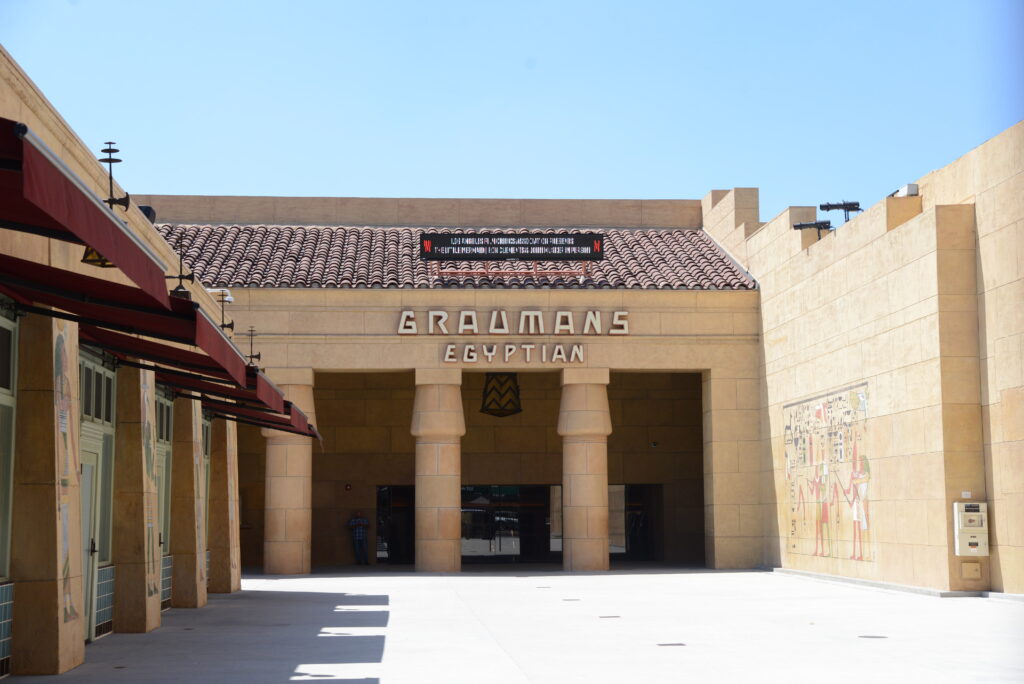
The Egyptian Theatre: Birthplace of Movie Premieres
Inspired by the “King Tut Fever” of the 1920s, the Egyptian Theatre introduced the world to the movie premiere concept. The very first Hollywood premiere took place here in 1922 with a screening of “Robin Hood” starring Douglas Fairbanks. This event established the red carpet tradition that remains synonymous with Hollywood glamour.
Today, Netflix operates the beautifully restored theatre, continuing its legacy as a place where cinema history unfolds. The Egyptian Theatre represents Hollywood’s ability to reinvent itself while honoring its past—a theme that runs throughout the Walk of Fame experience.
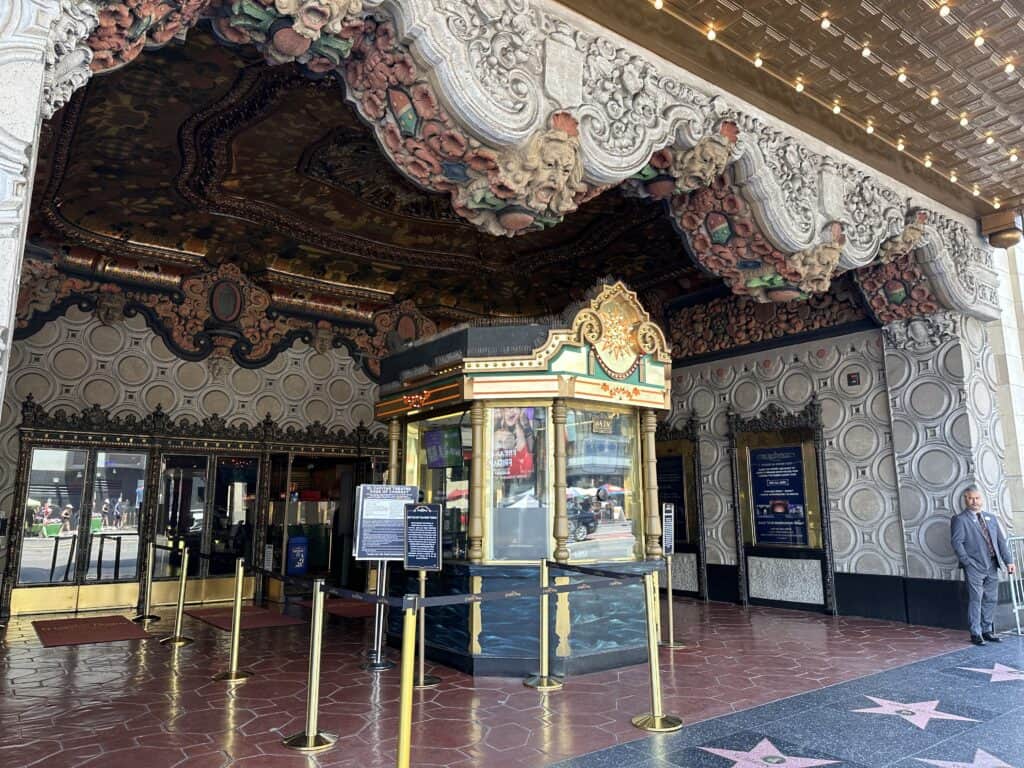
El Capitan Theatre
We stopped outside the El Capitan Theatre, which stands as a historic gem, located at 6838 Hollywood Boulevard. This iconic venue, renowned for its exquisite architecture and rich cinematic legacy, offers visitors a unique movie-viewing experience, enhanced by its impressive Wurlitzer Fox Special pipe organ. Originally shipped to the San Francisco Fox Theatre in 1928, this majestic organ found its home in the El Capitan Theatre in 1999. With over 2,500 pipes, the organ fills the theater with a symphony of sound that delights audiences before each film, providing a nostalgic nod to the golden age of cinema.
We’re inspired to return here with our littles for a unique movie experience.
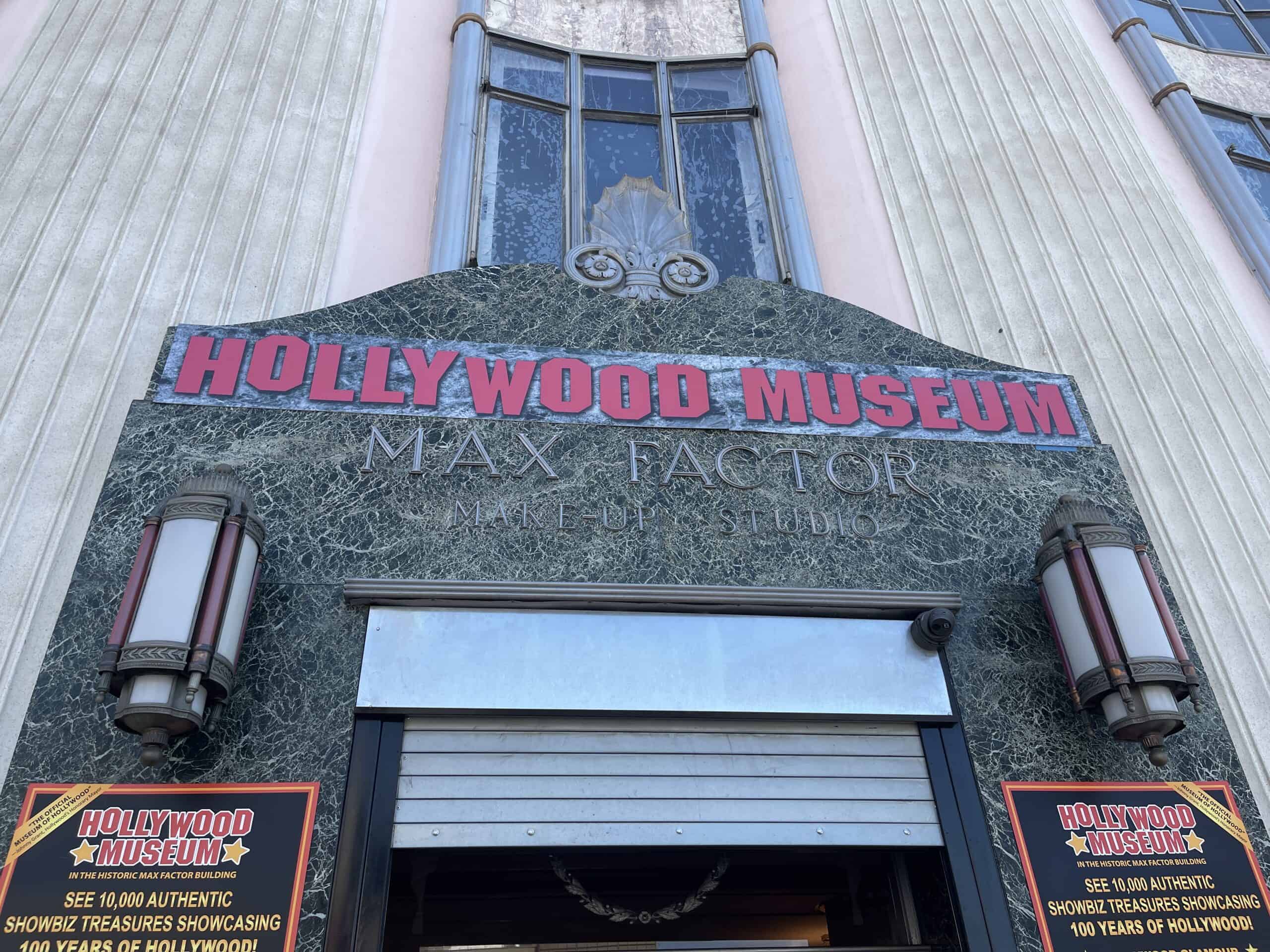
Architecture and Design That Shaped Hollywood
The Hollywood Museum, originally the Max Factor makeup studio, played a crucial role in defining the visual language of cinema. Here, makeup artists created the signature looks for stars like Marilyn Monroe and Lucille Ball. The building itself represents the behind-the-scenes artistry that transformed ordinary people into silver screen legends.
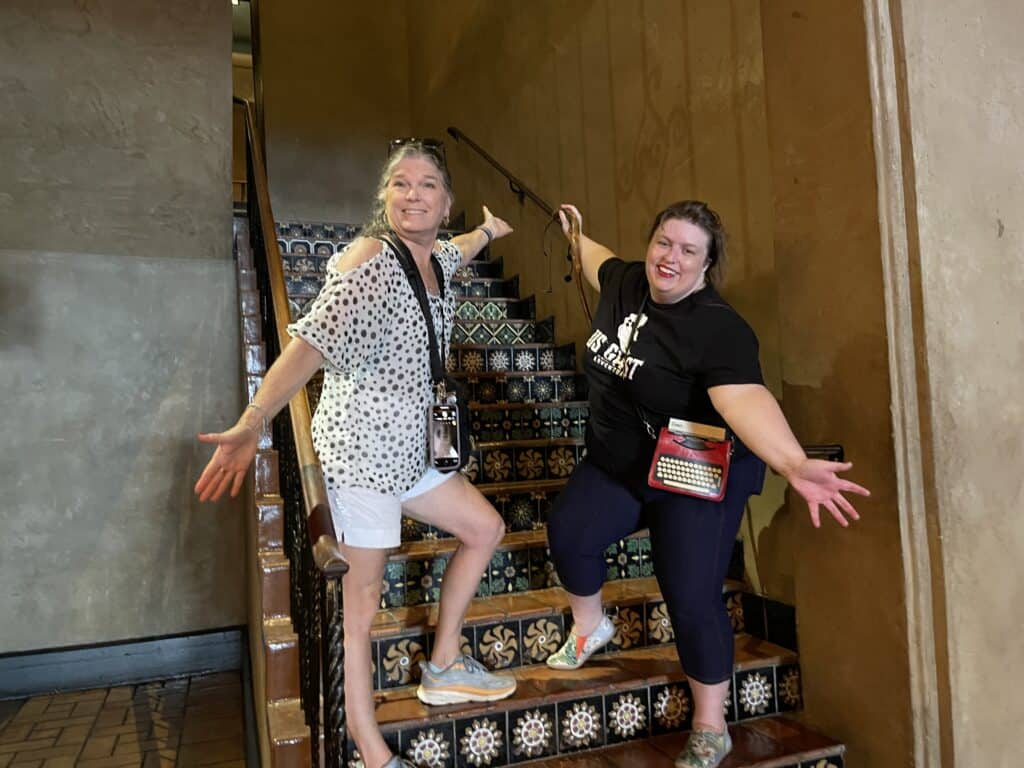
Caledonia, our tour guide, helped us understand the architectural features – we’re big fans of Art Deco. This stop was a memorable one, too, as my godmother worked in this very building during the 1970s when it was the Max Factor studio. We will be returning soon to tour the inside and experience The Hollywood Museum.
Personal Stories That Make History Come Alive
Behind-the-Scenes Stories
The TCL Chinese Theatre has hosted handprint ceremonies since 1927, creating one of Hollywood’s most enduring traditions. We enjoyed the stop here with extra time to explore the famous handprints of Marilyn Monroe and the cast of Star Wars. This theater is where I saw Star Wars for the very first time in 1977. It’s another location that was brought back to mind, and we’ll bring the littles so they can experience this impressive part of Hollywood history.
Across the street, we stepped into The Hollywood Roosevelt Hotel. This location hosted the first Academy Awards ceremony in 1929, a 15-minute event that honored the achievements of filmmaking over the previous two years. This intimate beginning contrasts sharply with today’s elaborate Oscar ceremonies, illustrating how Hollywood’s self-celebration has evolved over nearly a century.
It is swanky inside, and Julie asked that we book a stay here in the future. That will give us another opportunity to play the role of tourists in Hollywood.
The Human Side of Hollywood History
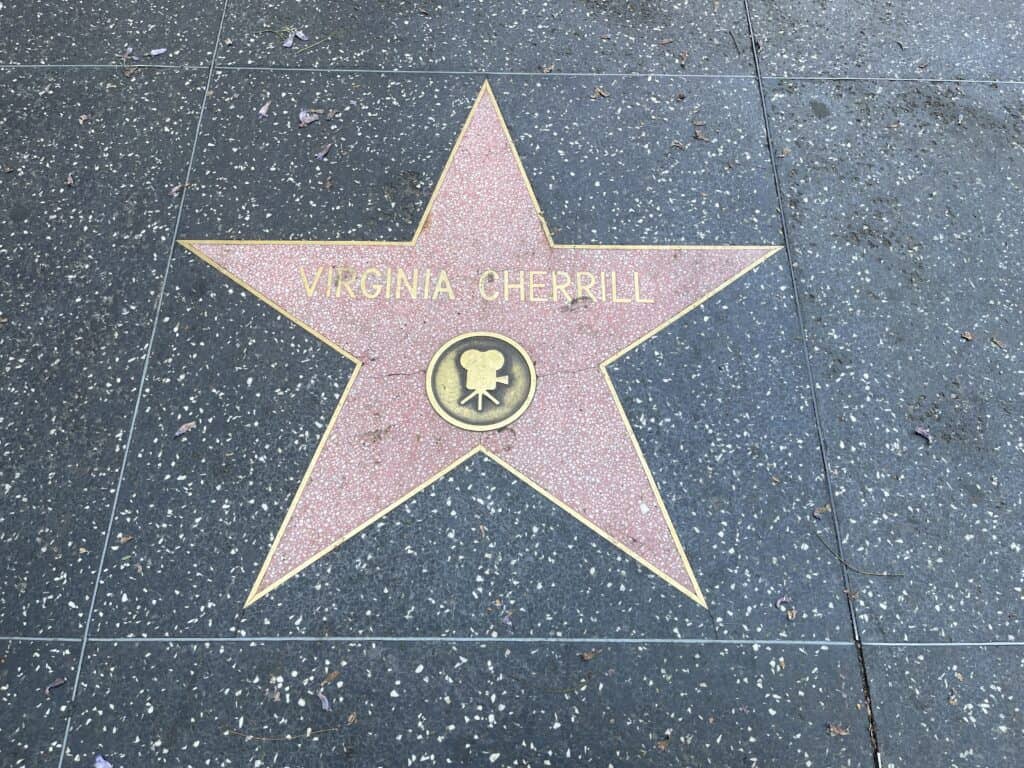
One of the most touching aspects of exploring the Walk of Fame comes from personal connections that span generations. Being in the area, we added an extra stop after our Hollywood Walk of Fame tour to visit the star of Virginia Cherrill, best known for playing the blind flower girl in Charlie Chaplin’s “City Lights.”
Her story extends far beyond Hollywood, encompassing her wartime service in England where she befriended Polish refugees serving with the Royal Air Force. One of those young men was my dad.
These personal connections remind us that behind every star lies a human story of triumph, struggle, and unexpected kindness. Virginia Cherrill’s assistance to war refugees and her later help with immigration to America demonstrate how Hollywood figures often played roles in history that extended far beyond entertainment.
What Makes a Guided Tour Worth Taking
Expert Knowledge and Local Insights
Professional tour guides bring years of research and local knowledge to the Walk of Fame experience. They share stories that aren’t found in guidebooks, point out architectural details that casual visitors miss, and provide context that transforms simple celebrity spotting into genuine historical education. We appreciated the personal touch provided by our guide at LA Ghost Tours.
Yes, you can stroll down Hollywood Boulevard on your own, but you might miss the insider information about filming locations, celebrity encounters, and the business side of Hollywood that shaped the entertainment industry. A tour guide can enrich your experience and help you sift through the myths versus realities of the history that shaped Hollywood Boulevard.
Access to Hidden Stories
Many of the most fascinating Hollywood stories aren’t immediately visible to casual visitors. The Stella Adler Academy of Acting, which trained icons like Marlon Brando, represents the serious artistic training that underlies Hollywood glamour. Understanding these institutions helps visitors appreciate the craft and dedication required for entertainment success.
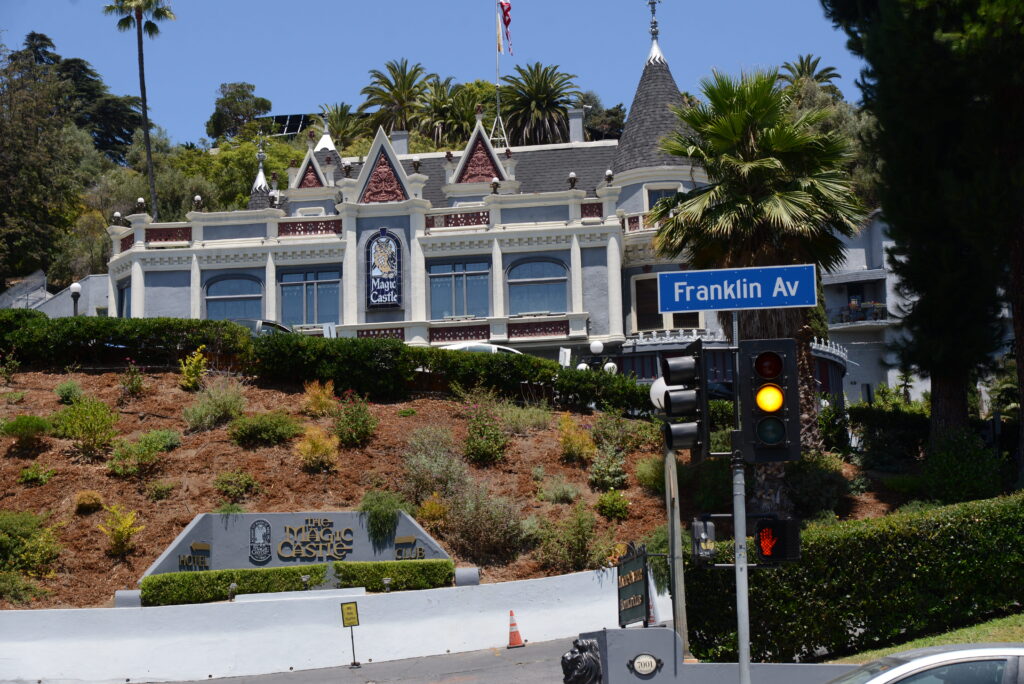
The Magic Castle, a private club for magicians, adds an element of mystery to Hollywood Boulevard. While visitors cannot enter without an invitation, knowing its history as “the Hogwarts of Hollywood” adds depth to the area’s reputation as a place where illusion and reality intersect.
Practical Tips for Making the Most of Your Hollywood Walk of Fame Experience
Best Times to Visit
Early morning or late evening visits offer the best experience for serious tourists. These times provide better lighting for photographs, smaller crowds for contemplation, and cooler temperatures for the 1.3-mile walk. Weekday visits typically offer a more relaxed pace than weekend crowds.
While our tour started at 11am, we arrived an hour earlier. After parking in the Ovation Parking Structure, Hollywood Boulevard was fairly quiet during our first hour. That made for a great time to get photos without the crowds that grow later in the day.
What to Look for Beyond the Stars
Successful Walk of Fame visitors learn to look up as well as down. The historic architecture, vintage signage, and restored facades tell stories that complement the sidewalk stars. The El Capitan Theatre’s Disney ownership, for example, represents Hollywood’s evolution from independent theaters to corporate entertainment destinations.
Street performers, tribute artists, and local vendors add contemporary flavor to the historic setting. These modern elements demonstrate how Hollywood Boulevard continues to evolve while maintaining its entertainment focus.
Comfortable Walking and Smart Planning
Wearing comfortable walking shoes is essential for covering the 1.3 miles of the Walk of Fame. Bringing water and planning rest stops at locations like the Hollywood and Highland complex helps maintain energy throughout the tour.
Starting at one end and walking systematically prevents missing important stops while providing a logical flow through Hollywood’s entertainment history. Many visitors find that following a planned route helps them appreciate the area’s development over time.
The Hollywood Walk of Fame’s Ongoing Legacy
Modern Celebrities and Timeless Appeal
New stars are added to the Walk of Fame each year, ensuring that this attraction remains current while honoring entertainment history. Recent additions represent diverse fields including streaming media, social media influence, and international entertainment, reflecting Hollywood’s global reach.
The selection process continues to balance commercial success with artistic achievement, maintaining the Walk of Fame’s reputation as a meaningful honor rather than simply a tourist attraction.
Cultural Impact Beyond Tourism
The Hollywood Walk of Fame serves as more than a tourist destination—it functions as a public museum of American entertainment history. International visitors often cite it as their first introduction to American popular culture, while domestic tourists use it to connect with their own entertainment memories.
Educational programs and special events help the Walk of Fame serve the local community while maintaining its appeal to visitors from around the world.
Planning Your Hollywood Walk of Fame Adventure
Getting There and Parking
The Hollywood and Highland parking structure provides convenient access to the Walk of Fame’s most popular section. Alternative transportation options include Metro Rail connections and ride-sharing services that drop visitors at strategic locations along Hollywood Boulevard.
Planning your arrival time around Los Angeles traffic patterns can significantly improve your experience. Mid-morning arrivals often provide the best balance of accessibility and crowd management.
Combining Attractions for a Full Day
The Walk of Fame works well as part of a larger Hollywood exploration day. Nearby attractions include the Hollywood Museum, Dolby Theatre tours, and Griffith Observatory for expanded entertainment and city views.
Many visitors find that combining the Walk of Fame with a studio tour or theme park visit creates a comprehensive Hollywood experience that appeals to different interests within travel groups.
Find a Hotel in Hollywood
Why the Hollywood Walk of Fame Remains Special
The Hollywood Walk of Fame endures as a special destination because it offers something unique: a public space where entertainment history lives alongside contemporary culture. Unlike museum exhibits behind glass, these stars invite direct interaction while telling stories that span generations.
The combination of celebrity recognition, historical significance, and accessible location creates an experience that works for international tourists, domestic visitors, and even local residents discovering their city with fresh eyes. The stories embedded in Hollywood Boulevard—from Charlie Chaplin’s lunch runs to modern Netflix premieres—demonstrate entertainment’s power to connect people across time and culture.
Whether you’re seeking Instagram-worthy photos, historical education, or simply a memorable walk through America’s entertainment capital, the Hollywood Walk of Fame delivers an experience that justifies its reputation as one of Los Angeles’ must-see attractions. The secret lies not just in spotting your favorite celebrity’s star, but in understanding the rich tapestry of stories, struggles, and triumphs that created the entertainment industry we celebrate today.
Check Out More Tours From LA Ghosts:
Los Angeles Ghost Tours and Lizzie Borden Ghost Tours offer a number of intriguing ways to spend your time in Los Angeles. Check out these tours:
Flavors of Venice Beach Food Tour
LA: Celebrities Underground Tour
Los Angeles Ghost Tour – Terrors of Tinseltown
Ultimate Dead of Night Ghost Tour
Walk of Fame Tour – 100 Years of Hollywood
Thanks for visiting this page. We hope to see you at the places where we go.
Julie & Art
