
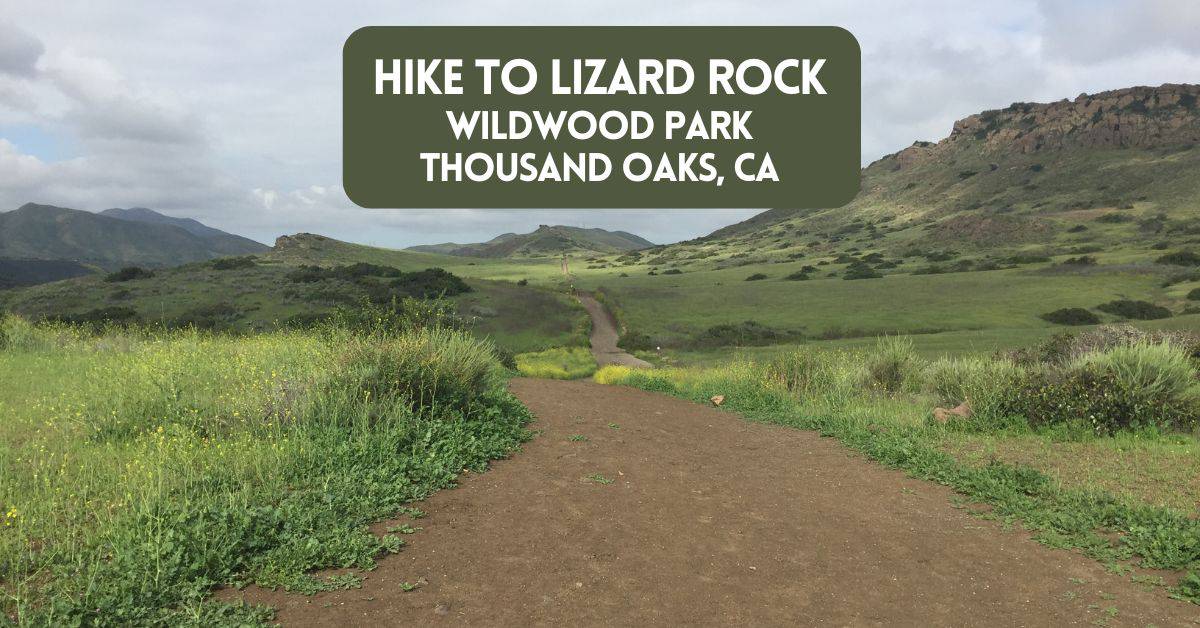
Great Hike to Lizard Rock at Wildwood Park – Thousand Oaks, CA
Last Updated October 2026
Just a short drive from the busy streets of Thousand Oaks, California, Lizard Rock at Wildwood Regional Park offers a scenic hike through rolling hills, grasslands, and rugged volcanic formations. The highlight is a distinctive rock outcropping that resembles the head of a giant lizard, with sweeping views across the Conejo Valley.
We’ve explored Wildwood Park on several occasions, and our spring hike to Lizard Rock remains one of our favorite ways to enjoy the area’s natural beauty. Along the way, we’ve experienced colorful wildflowers, beautiful canyon scenery, abundant birdlife, and the nearby attraction of Paradise Falls.
Whether you’re looking for a relatively short hike to Lizard Rock or a longer adventure that includes Paradise Falls, this guide covers the trail options, parking, difficulty, and highlights to help you plan your visit. We’ll also share photographs and video footage from our own hiking experience.
The Places Where We Go contains affiliate links and is a member of the Amazon Services LLC Associates Program. As an Amazon Associate, we earn from qualifying purchases at no extra cost to you when you purchase using one of these Amazon links. Read our disclaimer and privacy policy for more information.
| Location | Wildwood Regional Park, Thousand Oaks, California |
|---|---|
| Main Trailhead | 928 W. Avenida de los Arboles, Thousand Oaks, CA 91360 |
| Shorter Lizard Rock Loop | 2.8 miles via Stagecoach Bluff and Mesa Trail |
| Longer Loop | 4.3 miles on the AllTrails route, including Wildwood Canyon and Paradise Falls |
| Alternative Waterfall Loop | 4.8 miles combining Lizard Rock and Paradise Falls, starting at Wildflower Playfield |
| Difficulty | Easy to moderate, depending on route |
| Time Needed | Approximately 1.5–3.5 hours, depending on route and stops |
| Parking and Admission | Free |
| Park Hours | 7 a.m. to dusk |
| Dogs | Allowed on leash (6-foot maximum) |
| Best Time to Hike | Spring for wildflowers; fall for cooler temperatures |
| Facilities | Drinking fountains and restrooms in the canyon; bring your own water |

Love Discovering Places Like Lizard Rock?
We’re always exploring scenic hikes, hidden gems, and memorable travel destinations—and sharing what we learn along the way! Join our free weekly newsletter for firsthand travel inspiration, practical planning tips, and ideas for your next adventure.
Sign Up Below For Travel Inspiration
Get Free Weekly Travel Planning Guide
Destination Ideas – Practical Tips – Timely Travel News

Getting to Lizard Rock at Wildwood Regional Park
Wildwood Regional Park is located in Thousand Oaks, California, in the scenic Conejo Valley of Ventura County. The park is easily accessible from US Highway 101 and offers free parking at its main entrance.
To reach the main Wildwood Park trailhead, take the Lynn Road exit from Highway 101 in Thousand Oaks. Head north on Lynn Road for approximately 2.6 miles, then turn left onto West Avenida de los Arboles. Continue for about one mile to the parking area near the intersection with Big Sky Drive, at the western end of the road.
Wildwood Regional Park Trailhead Address:
928 W. Avenida de los Arboles, Thousand Oaks, CA 91360
Once you’ve parked, look for the Mesa Trail, which serves as the starting point for several hiking routes through Wildwood Park, including the hike to Lizard Rock.
There are two popular ways to approach Lizard Rock from this entrance:
- Mesa Trail: The more direct approach follows the broad Mesa Trail across the park’s open grasslands toward Lizard Rock, offering scenic views of the surrounding hills.
- Stagecoach Bluff Trail: For a more adventurous route, begin on Mesa Trail, connect with North Tepee Trail, and continue along Stagecoach Bluff Trail before rejoining Mesa Trail toward Lizard Rock. This alternative features rugged volcanic rock formations and beautiful canyon views, although the terrain is more uneven.
Both approaches offer excellent opportunities to appreciate the natural beauty of Wildwood Park. We’ll describe the hiking experience and trail options in greater detail below.
Planning Tip: Wildwood Regional Park is open from 7 a.m. until dusk. Although parking is free, arriving early on busy weekends is a good idea. Before heading out, we recommend reviewing the official Wildwood Park trail map to familiarize yourself with the trail junctions.
Trailhead Coordinates: 34°13’12.0″N 118°54’10.1″W
Hiking to Lizard Rock at Wildwood Park
Hiking to Lizard Rock is one of the highlights of exploring Wildwood Regional Park. The trail takes you through open grasslands, past rugged volcanic rock formations, and to a distinctive rocky overlook with sweeping views of the Conejo Valley.
One of the interesting things about this hike is how the landscape changes along the way. From the broad, open Mesa Trail to the rocky terrain near Stagecoach Bluff, there’s plenty of scenery to enjoy before you even reach Lizard Rock.
And what makes Lizard Rock so special? From certain angles, the formation resembles the head of a giant lizard emerging from the hillside. It’s a fun natural landmark to spot as you approach!
There are several routes to Lizard Rock, so the distance and difficulty of your hike will depend on the trails you choose.

Shorter Lizard Rock Loop via Stagecoach Bluff (2.8 Miles)
If your main goal is to reach Lizard Rock and enjoy the views without committing to a longer canyon hike, consider the 2.8-mile loop documented by the Conejo Open Space Foundation.
Starting from the Wildwood Park parking area at Avenida de los Arboles, follow Mesa Trail westward. The wide dirt trail climbs gently into the park, providing beautiful views across Wildwood Mesa and the surrounding hills.
After approximately 0.35 miles, reach the junction with North Tepee Trail and turn left. Follow this trail toward Stagecoach Bluff Trail, which takes you along the edge of the canyon.
Stagecoach Bluff is one of the most scenic sections of this route. Here, the trail winds through rugged volcanic rock formations, offering excellent opportunities to appreciate the park’s unusual geology. The surface can be rocky and uneven, so watch your footing.
Continue along Stagecoach Bluff Trail until it reconnects with Mesa Trail. Turn left and proceed toward Lizard Rock, where the narrower Lizard Rock Trail leads toward the distinctive formation.
From the Lizard Rock overlook, you’ll enjoy expansive views of Wildwood Mesa, the Conejo Valley, and the surrounding hills. On a clear day, the scenery makes this a particularly rewarding place to stop for photographs.
After visiting Lizard Rock, return to the parking area by following Mesa Trail eastward. This provides a more direct return and completes the approximately 2.8-mile loop.
Longer Lizard Rock Loop Through Wildwood Canyon (4.3 Miles)
For hikers who want a more extensive Wildwood Park experience, a popular 4.3-mile loop continues beyond Lizard Rock, descends into Wildwood Canyon, and includes Paradise Falls.
This route is generally considered moderately challenging, with approximately 700 feet of cumulative elevation gain.
Begin at the same Avenida de los Arboles parking area and follow Mesa Trail westward. Instead of turning onto North Tepee Trail, continue straight along Mesa Trail toward Lizard Rock.
Our hike began on the Mesa Trail, where the surrounding hills open into views of Wildwood Park’s broad grasslands and rocky ridgelines. During our spring visit, the landscape was especially inviting, with wildflowers adding color along the trails and birds calling from the surrounding vegetation.
After approximately 1.05 miles, you’ll pass the junction with Stagecoach Bluff Trail. Continue toward the end of Mesa Trail, where you’ll connect with the narrower Lizard Rock Trail.
As we approached Lizard Rock, its unusual shape became increasingly recognizable. Viewed from the right angle, the formation really does look like a giant lizard’s head emerging from the hillside. It’s one of those memorable natural landmarks that gives a hike a distinctive destination.
After reaching Lizard Rock and enjoying the views, continue along Lizard Rock Trail as it descends through a series of switchbacks into Wildwood Canyon.
This is one of the more demanding sections of the longer hike. The descent is steep in places, with winding turns and uneven terrain. Mountain bikers also use portions of the trail, so remain alert and share the path responsibly.
As you descend, the scenery changes from open hillsides to the canyon environment below. The trail passes above a water treatment facility before connecting with Wildwood Canyon Trail.
At the bottom of Lizard Rock Trail, turn left onto Wildwood Canyon Trail and follow the creek upstream. Along the way, you’ll encounter shady sycamore groves and picnic areas, including Skunk Hollow.
This longer route continues toward Paradise Falls before returning to the main parking area via the Paradise Falls, Tepee, North Tepee, and Mesa trails.
We’ll cover the waterfall experience in more detail in the next section.
Which Lizard Rock Hiking Route Should You Choose?
Both routes provide an opportunity to enjoy Lizard Rock, but they offer somewhat different experiences.
Choose the shorter 2.8-mile loop if you’re primarily interested in seeing Lizard Rock, enjoying panoramic views, and experiencing the rocky terrain around Stagecoach Bluff. It’s a good option when you have limited time or prefer to avoid the longer canyon descent.
Choose the longer 4.3-mile loop if you want a more complete hiking adventure, including the descent into Wildwood Canyon and a visit to Paradise Falls. Allow extra time for the additional distance, elevation changes, photography, and sightseeing.
Whichever route you choose, bring plenty of water, wear shoes with good traction, and check the trail map before starting. Much of the terrain around Wildwood Mesa is exposed, so it can feel much warmer in summer.
For additional route options, downloadable maps, and trail information, visit the Conejo Open Space Foundation’s Wildwood Park hiking guides.

Continue to Paradise Falls at Wildwood Regional Park
If you have time for a longer hike, consider continuing from Lizard Rock to Paradise Falls, one of Wildwood Regional Park’s most popular attractions. This picturesque 40-foot waterfall is tucked into a scenic canyon, making it a surprising discovery in the middle of suburban Thousand Oaks.
During our early spring visit, we enjoyed the beautiful canyon scenery, shady sycamore trees, and stream crossings along the trail. The waterfall was especially impressive following Southern California’s winter rains.
Although Paradise Falls can flow year-round, water levels vary with seasonal conditions. Late winter and spring are particularly attractive times to visit when the surrounding hills are green and wildflowers may be blooming. Swimming in the pool beneath the waterfall is prohibited.
Adding Paradise Falls extends your hike, so allow extra time for the canyon descent and return climb.
Planning to visit the waterfall? Read our complete guide to hiking Paradise Falls at Wildwood Regional Park for trail information, photos, and tips for planning your visit.

The Places Where We Go at Paradise Falls Thousand Oaks
Enjoy the serene beauty and refreshing atmosphere of Paradise Falls to conclude your hike!

Wildlife and Natural Beauty at Wildwood Park
One of the pleasures of hiking at Wildwood Regional Park is discovering the wildlife and natural scenery tucked away in this beautiful corner of the Conejo Valley. Despite being surrounded by suburban Thousand Oaks, the park offers a surprisingly peaceful escape into nature.
During our visit to Paradise Falls, we spent some time relaxing along the creek and enjoying the scenery. One of our favorite moments was watching a family of ducks, including several adorable ducklings, swimming in the water below the falls. It was a delightful reminder to slow down and appreciate the smaller moments along the trail.

The creek continues through Wildwood Canyon, where shady trees and lush vegetation contrast sharply with the open grasslands above. Throughout the park, rugged rock formations and hillsides reveal the area’s fascinating geological history, shaped by natural forces over millions of years.

From the distinctive volcanic formations near Lizard Rock to the tranquil stream winding through the canyon, Wildwood Park offers much more than a single hiking destination. It’s a wonderful place to experience Southern California’s natural beauty, observe wildlife, and enjoy some quiet time outdoors.
The Hiking Experience at Wildwood Park
Hiking to Lizard Rock at Wildwood Park offers a delightful experience for outdoor enthusiasts. The trail is perfect for birdwatching, hiking, and mountain biking, providing ample opportunities to encounter fellow nature lovers. Open year-round, the route is always a beautiful destination, showcasing the stunning Wildwood Mesa. This unique geologic formation not only offers breathtaking views but also features vibrant grassland wildflowers. Dogs are welcome on the trail if kept on a leash, making it an all-around inviting adventure for everyone.
⬇️ Watch our video – Hiking to Lizard Rock at Wildwood Park ⬇️
Want to see what hiking to Lizard Rock actually looks like? Join us on one of our early Southern California hiking adventures as we explore Wildwood Regional Park and look for the unusual Lizard Rock formation. The video offers another perspective on the trails and scenery described in this guide.
Turn Your Next Free Weekend Into an Adventure
We share destinations we’ve explored, helpful travel-planning advice, and interesting places to put on your future travel list. Join The Places Where We Go for free weekly inspiration.
📖 Join Our Free Travel Newsletter

More Hiking Trails at Wildwood Park
One of the things we love about Wildwood Regional Park is the variety of hiking opportunities. With miles of interconnected trails winding through open grasslands, scenic ridgelines, and shaded canyons, there’s plenty to explore beyond Lizard Rock and Paradise Falls.
Wildwood Park was actually the location of one of our first hiking adventures together. We’ve returned several times since that initial visit, yet there are still trails we haven’t explored. It’s one of those places that gives us a reason to keep coming back!
Whether you’re looking for a leisurely nature walk or a more challenging hike, here are a few additional Wildwood Park trails worth considering.
Fort Trail and Two Springs Loop — 2.4 Miles
This shorter loop is a good choice for visitors who want to enjoy the quieter canyon scenery without committing to a long hike. Starting near Wildflower Playfield, the route connects Fort Trail, Wildwood Canyon, Two Springs Trail, and Moonridge Trail.
Along the way, hikers encounter shaded canyon vegetation, a creek crossing, and a mix of gentle paths and steeper sections with stairs. It’s a pleasant alternative to the park’s busier destinations.
Scenic Loop to Eagle Point Trail — 4 Miles
For hikers interested in exploring some of Wildwood Park’s less-traveled areas, the Eagle Point Trail loop offers a rewarding experience.
This approximately 4-mile route includes beautiful canyon scenery, quieter stretches of trail, and about 800 feet of cumulative climbing. It’s an appealing option for those who want a moderate hike with opportunities to enjoy the landscape away from the busiest parts of the park.
Santa Rosa and Lower Butte Trail Loop — 4.6 Miles
If you’re looking for a longer hiking adventure with sweeping views, consider the Santa Rosa and Lower Butte Trail Loop.
This moderately challenging route explores the northern portion of Wildwood Park, providing views of the Santa Rosa Valley and the volcanic formations of Mount Clef Ridge. The trail includes rocky terrain, exposed hillsides, and approximately 850 feet of cumulative elevation gain.
Because these trails generally attract fewer visitors than the popular routes around Paradise Falls, they may appeal to hikers seeking a quieter outdoor experience.
Planning Your Next Wildwood Park Hike
Before choosing your next route, we recommend consulting the Conejo Open Space Foundation’s Wildwood Park hiking guides. The guides provide detailed trail descriptions, maps, distances, and elevation information to help you select a hike that matches your interests and abilities.
While trekking poles aren’t essential for every Wildwood Park trail, they can be helpful on rocky sections or routes with steeper climbs and descents.
With so many trails to explore, Wildwood Regional Park is a destination that rewards repeat visits. We certainly have a few more hikes to add to our own list!


Picnic Areas, Wildflowers, and Birdwatching at Wildwood Park
There’s more to enjoy at Wildwood Regional Park than its hiking trails. Whether you’re looking for a peaceful place to enjoy lunch, photograph colorful wildflowers, or simply listen to the sounds of nature, the park offers plenty of opportunities to slow down and appreciate the surroundings.

Picnic Areas: If you’d like to make a longer day of your visit, Wildwood Park has several designated picnic areas, including shaded spots near the creek in Wildwood Canyon. The park features five picnic areas with approximately 20 picnic tables, along with barbecue facilities in designated locations. It’s a lovely setting to relax and enjoy a packed lunch surrounded by nature.

Spring Wildflowers: One of our favorite times to visit Wildwood Park is during early spring, when winter rains bring fresh greenery and colorful wildflowers to the hillsides. During our April hike, we enjoyed seeing flowers beginning to bloom along the trails. Even the cactus plants were flowering! Spring can be an especially rewarding season for nature photography, although bloom conditions vary depending on rainfall.

Birdwatching: Another memorable part of our April visit was the abundance of birdsong. At times, the sounds of birds seemed to fill the air around us, creating a wonderfully peaceful atmosphere. We also spotted hawks soaring overhead, occasionally circling in search of their next meal. Moments like these remind us that some of the best hiking experiences come from simply slowing down and observing the natural world.
Whether you’re visiting Lizard Rock, exploring Paradise Falls, or enjoying a leisurely afternoon outdoors, taking time to appreciate these quieter aspects of Wildwood Park can make your visit even more memorable.

Chumash History at Wildwood Regional Park
Wildwood Regional Park has a fascinating history that extends thousands of years before it became a popular hiking destination. The Chumash people lived in this area for nearly 8,000 years, long before Spanish colonization transformed the Conejo Valley.
One interesting landmark along the park’s trails is a teepee-shaped structure that serves as a shaded resting area. Although it resembles a traditional Native American teepee, it’s worth noting that the Chumash actually lived in dome-shaped dwellings called ‘ap, constructed from willow branches and tule reeds.
The park also features an area known as Indian Cave, accessible via a designated trail. We haven’t explored that part of Wildwood Park yet, but it’s another destination we’d love to discover on a future visit.
Learning about the area’s Indigenous history adds another layer of appreciation to the beautiful landscape we enjoy hiking today.

Best Time To Hike To Lizard Rock
Spring is one of our favorite seasons for hiking to Lizard Rock at Wildwood Park. After winter rains, the hills can turn green, wildflowers appear along the trails, and temperatures are often comfortable for walking.
Fall can also be an excellent time to hike, particularly on cooler days. During summer, much of the mesa is exposed to direct sunlight, making early starts, sun protection, and sufficient drinking water particularly important.
For spring photography, look for colorful wildflower displays and green hillsides. Actual blooming conditions depend on seasonal rainfall and weather.
Tips for Hiking Lizard Rock Safely
Practical Tips for Hiking Lizard Rock
A little preparation will help you enjoy the trails, scenery, and wildlife at Wildwood Regional Park. Here are a few things to know before setting out on your Lizard Rock hike.
Choose Your Route
Several trails lead to Lizard Rock, with different distances and difficulty levels. Download a trail map and decide on your route before starting.
Bring Plenty of Water
Carry your own drinking water, especially during warmer months. Although Wildwood Park has water fountains, don’t rely on them as your only water source.
Prepare for the Sun
Much of the Mesa Trail is exposed to direct sunlight. Wear sunscreen, bring a hat, and consider starting early during hot weather.
Wear Sturdy Hiking Shoes
Choose footwear with good traction for rocky and uneven sections. Trekking poles may also be useful on steeper climbs and descents.
Share the Trails
Many Wildwood Park trails are shared with mountain bikers and horseback riders. Stay alert around bends, communicate when passing, and yield to horses.
Hiking With Dogs
Dogs are welcome but must remain on a leash no longer than six feet. Bring water for your dog and always clean up after your pet.
Respect Wildlife
Watch for wildlife along the trails. Observe animals from a safe distance, stay on designated paths, and leave wildflowers and other plants undisturbed.
Know Where Facilities Are
Restrooms are located down in Wildwood Canyon rather than at the main trailhead. Plan ahead, particularly if hiking with children.
Gear we use:
- Backpacks – When we hit the trail, we always have a backpack from Osprey with us. We have several sizes that we select from based on the distance of our hike.
- Trekking Poles – We’ve used Black Diamond hiking poles for over 15 years.
- Water Bladder – We never hike without filling water bladders for our backpacks.
Hiking to Lizard Rock FAQs
A shorter documented loop is 2.8 miles; a longer popular loop is approximately 4.2 miles. Distance depends on the selected trails.
The shorter loop is rated easy by the Conejo Open Space Foundation, but rocky sections and sun exposure can add difficulty. Longer canyon loops require more effort.
Yes, the main parking area is free for ordinary park visitors.
Yes. Dogs must remain on a leash.
Yes. There are longer routes connecting both attractions, including a documented 4.8-mile loop from Wildflower Playfield.
Final Thoughts: Why Wildwood Park Is Worth Visiting
Wildwood Regional Park is one of our favorite places to escape into nature in the Conejo Valley. With its scenic hiking trails, rugged rock formations, seasonal wildflowers, and beautiful canyon landscapes, it’s easy to see why this park is such a popular outdoor destination in Thousand Oaks.
Our hike to Lizard Rock reminded us that you don’t have to travel far to discover some of Southern California’s most beautiful natural scenery. Whether you’re making the trek to the distinctive Lizard Rock formation, exploring Paradise Falls, or simply enjoying the peaceful surroundings, Wildwood Park offers something for hikers and nature lovers alike.
We’ve returned to Wildwood several times, and there are still trails we’d love to explore. That’s one of the things we appreciate most about this park—there’s always another reason to come back!
Looking for more hiking adventures nearby? Check out our guide to hiking the Big Sky Trail in Simi Valley for another scenic outdoor experience in Ventura County.
Discover More Places Worth Exploring
If you enjoy discovering scenic hikes, hidden gems, and memorable travel destinations, we’d love to have you join us!
Subscribe to our free weekly newsletter for firsthand travel inspiration, practical planning tips, and new ideas for your next adventure.
Thanks for reading this post. We hope to see you at the places where we go!
Julie & Art
Check Out More Nearby Southern California Adventures & Destinations
Two or Three Days in Simi Valley Itinerary: What to See & Do
Big Sky Trail in Simi Valley: Hiking Guide, Map, Parking & Tips
Hiking Santa Susana Pass State Historic Park
If you’re preparing for longer hiking adventures, you might be interested in our guide to preparing for a pilgrimage walk.
Visit our blog posts, podcasts, and videos from our California experiences.
Pin it for later
Fuel your wanderlust with weekly travel updates – It’s 100% FREE!
Loved discovering Lizard Rock? Our weekly travel newsletter brings more destinations, practical tips, and planning ideas straight to your inbox.
