
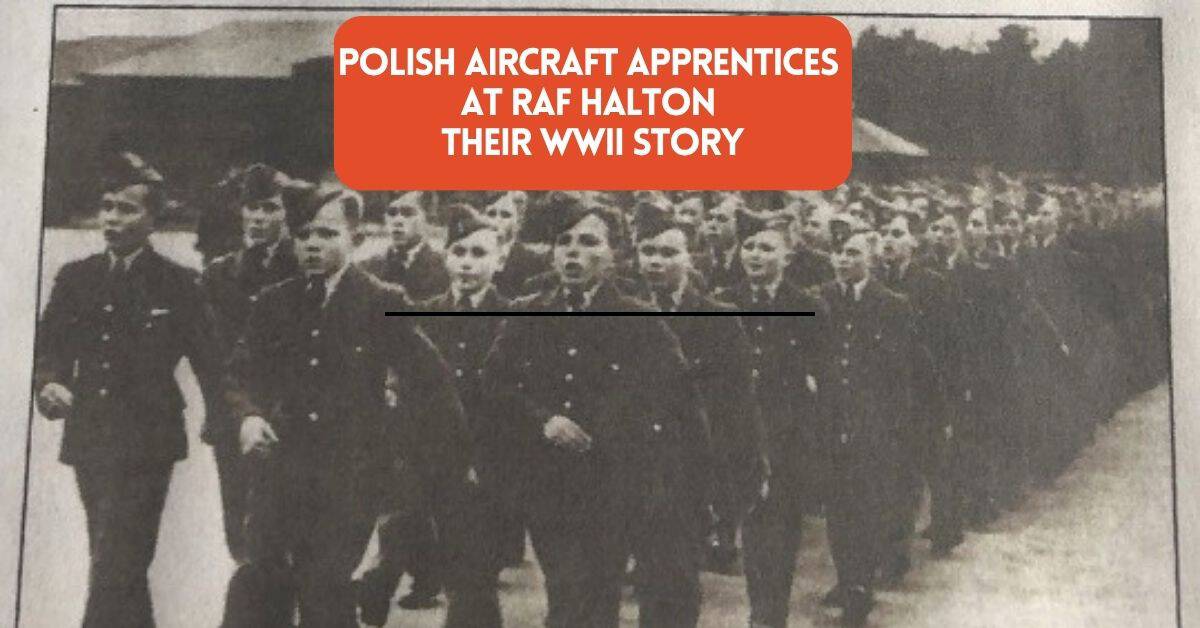
Polish Aircraft Apprentices at RAF Halton – Their WWII Story
Last updated September 2026
In August 1943, a group of Polish teenage boys arrived at RAF Halton in Buckinghamshire after an extraordinary wartime journey. Many had been deported with their families to the Soviet Union following the occupation of eastern Poland. Their eventual escape took them through Iran and the Middle East before a group was selected for technical training with the Royal Air Force in Britain.
At RAF Halton, the boys trained as aircraft apprentices in trades that included airframe and engine fitting, armament, electrical work and instrument making. Their training continued beyond the end of World War II, with Polish apprentices graduating alongside RAF entries in 1947 and 1948. The Trenchard Museum and RAF Halton Archive now preserve photographs, documents and personal accounts from this little-known chapter of Polish and British aviation history.
For our family, this history is personal. My father, Bolesław Dobrucki, was one of the Polish Aircraft Apprentices who trained at RAF Halton. During our own visit to Halton, we discovered photographs, letters and archival material connected with these young men—and even material relating directly to my father. This page brings together part of that collection so descendants, researchers and anyone interested in Polish or RAF history can explore their story.
A note about the numbers: surviving displays and historical accounts sometimes give different totals for the Polish apprentices. This can reflect different stages of the journey, transfers between Halton and Cranwell, later arrivals and course completion. Where possible, we identify the source associated with each figure rather than attempting to reduce the story to a single number.
The Places Where We Go contains affiliate links and is a member of the Amazon Services LLC Associates Program. As an Amazon Associate, we earn from qualifying purchases at no extra cost to you when you purchase using one of these Amazon links. Read our disclaimer and privacy policy for more information.
Polish Aircraft Apprentices at RAF Halton — At a Glance
| Who | Polish teenage boys selected for Royal Air Force technical training during World War II |
| Arrival in Britain | 1943 |
| Training location | RAF Halton in Buckinghamshire, with another group training at RAF Cranwell |
| Training began | 1944 |
| Technical trades | Airframe fitter, engine fitter, armourer, electrician and instrument maker |
| Main graduation period | 1947–1948 |
| Historical collection today | Trenchard Museum and RAF Halton Archive |
| Location | RAF Halton near Wendover, Buckinghamshire, England |
Who Were the Polish Aircraft Apprentices at RAF Halton?
From Poland and Soviet Exile to Britain
The story of the Polish Aircraft Apprentices began long before they reached RAF Halton. Following the Soviet occupation of eastern Poland, families were deported into the Soviet Union. After Germany invaded the Soviet Union in 1941 and political circumstances changed, Polish civilians and military personnel were gradually able to leave Soviet territory with the forces organized under General Władysław Anders.
Many of the future apprentices traveled through Iran and the Middle East. In 1943, Polish authorities selected teenage boys for aircraft technical training in Britain. After traveling by sea around Africa, the main group reached Britain that August.
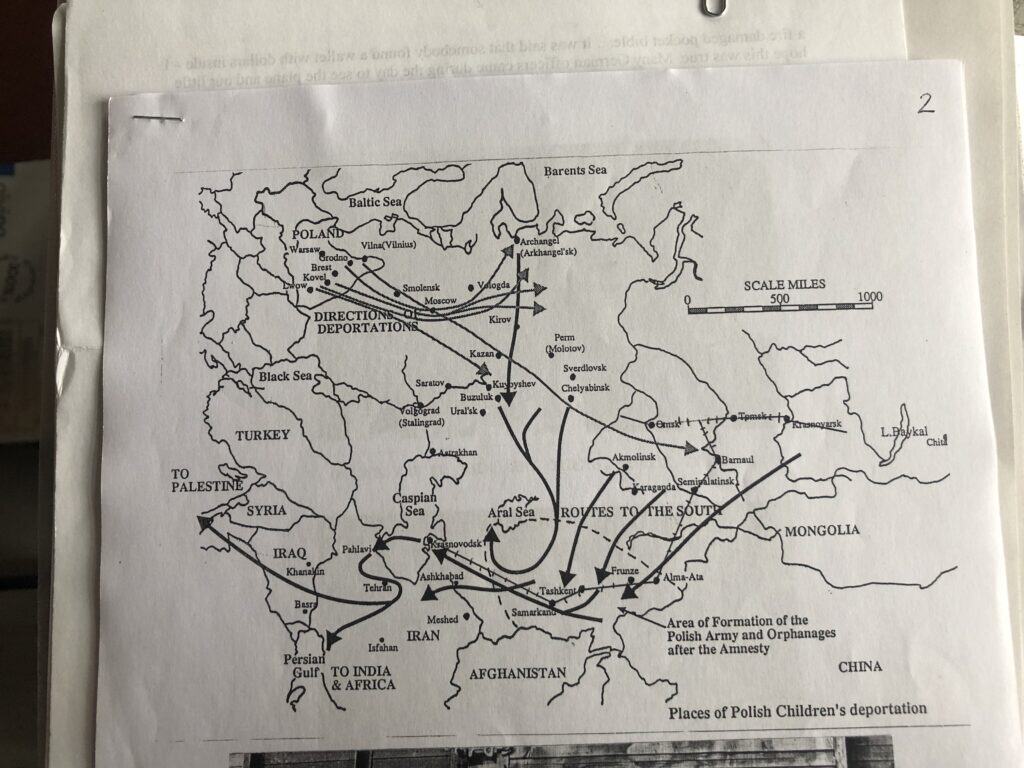
Arrival at RAF Halton and RAF Cranwell
After their long journey from the Middle East, the first major group of future Polish aircraft apprentices reached Britain in August 1943. A Polish Air Force mission had selected 264 boys from camps across the Middle East for technical training with the Royal Air Force. They were brought together near the Suez Canal and traveled aboard the Mauretania, then serving as a troopship, around Africa to Liverpool. From there, they continued by train to Wendover. The first group arrived at RAF Halton on 14 August 1943. Additional boys followed later in the year, including a group that traveled from Suez aboard the Strathmore and reached Britain in December 1943.
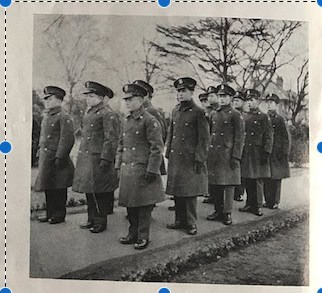
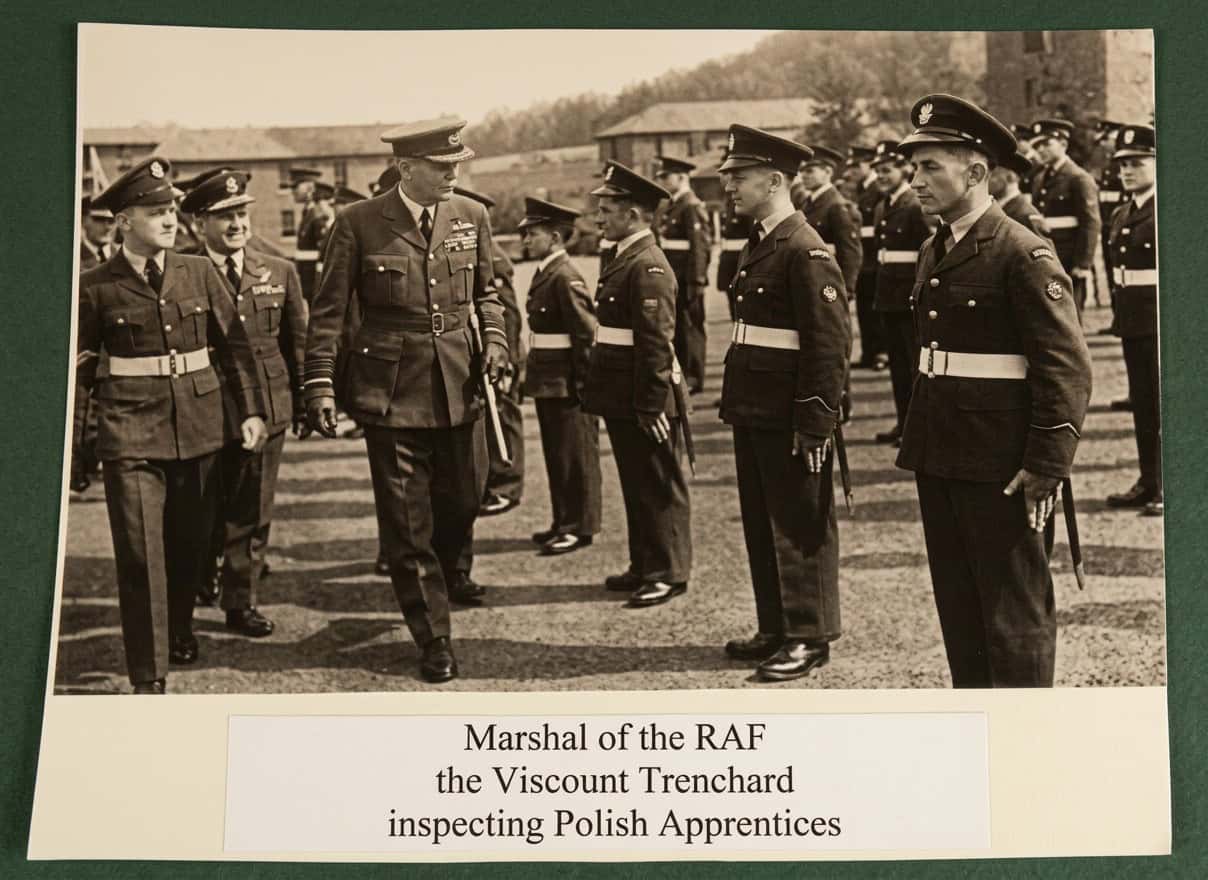
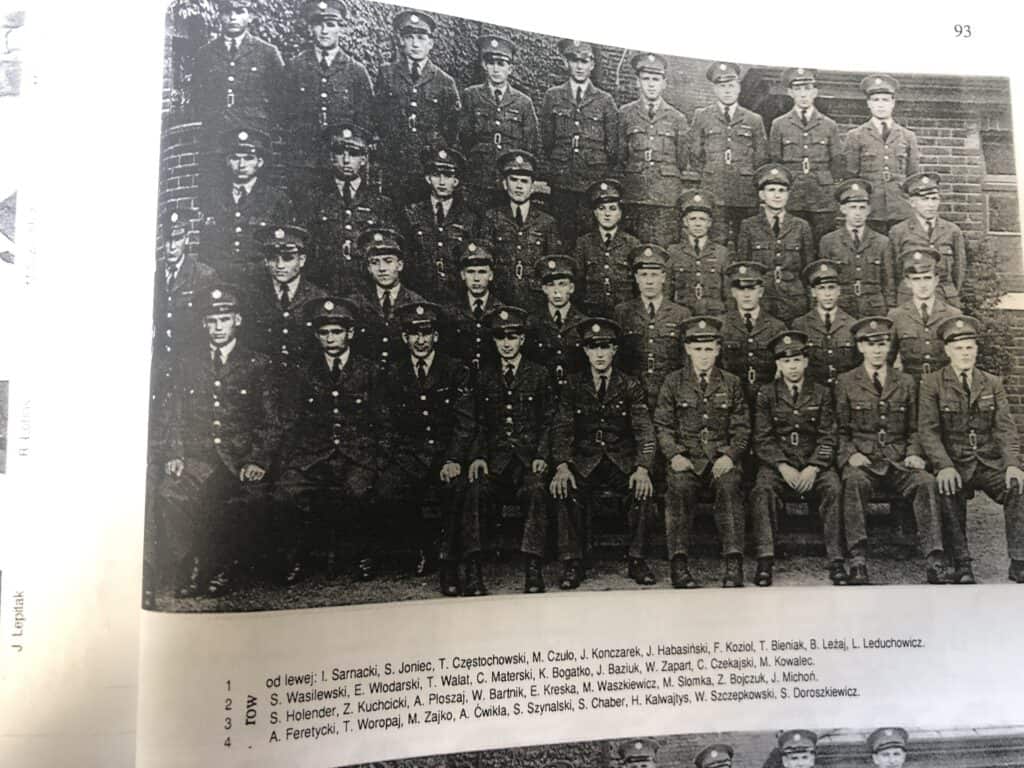
For boys who had endured deportation, displacement and years of uncertainty, RAF Halton represented an entirely new chapter. On arrival, they were housed in Block 10 of Henderson Barracks, received their first RAF pay and were formally brought into the training system. They were assigned RAF service numbers and issued blue RAF uniforms, although their clothing retained distinctly Polish features—including Polish Air Force buttons and eagle badges and the word “POLAND” on their sleeves. Like the British apprentices at Halton, they also wore the distinctive red apprentice cap band.
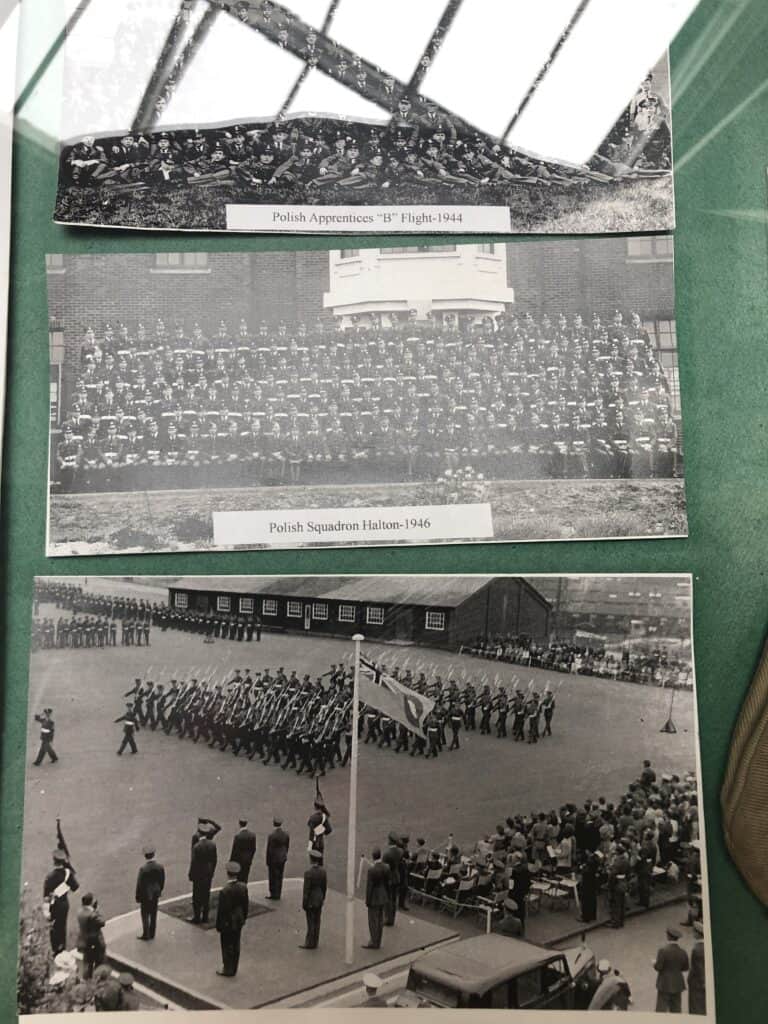
The number of Polish apprentices at Halton did not remain fixed. On 4 January 1944, 100 boys left Halton for RAF Cranwell, where they began training at No. 1 Radio School. At the same time, additional young Poles were still arriving from the Middle East; a group of 29 reached Halton only two days after the Cranwell transfer. The Polish contingent remaining at Halton eventually settled at 207 apprentices, organized into two flights and housed in Blocks 9 and 10.
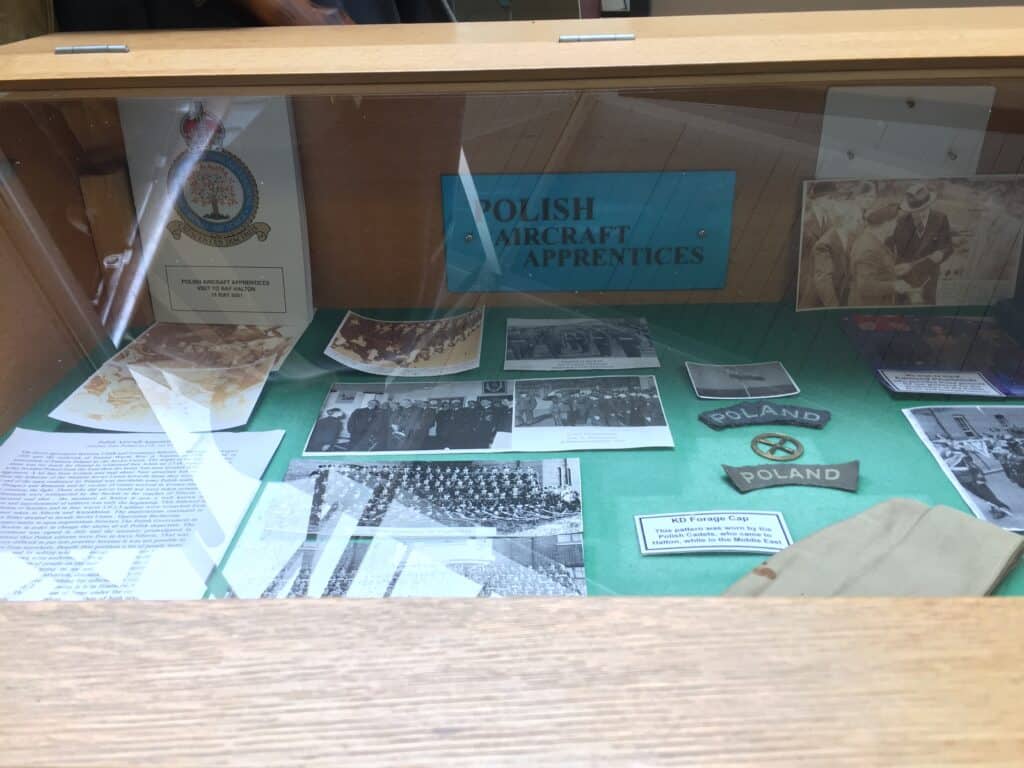
Polish Aircraft Apprentices Refugee Route
The map above shows the routes Polish children traveled while displaced during WWII. Among these, a select few were admitted to the Apprentice program at RAF Halton.
Training as Aircraft Apprentices at RAF Halton
At RAF Halton, the Polish boys entered the Royal Air Force’s established aircraft apprentice system at No. 1 School of Technical Training. This was not a short wartime conversion course. The apprentices undertook a demanding three-year program combining practical workshop instruction with academic studies and military training. Special arrangements allowed Polish apprentices to receive instruction from Polish officers, NCOs and technical instructors, and by early 1945 they had also been issued training manuals in Polish.
By early 1944, the Polish apprentices were training in the five technical trades then taught to them at Halton: airframe fitter, engine fitter, armourer, electrician and instrument maker. Each specialty prepared the boys for a different part of the complex work required to keep RAF aircraft serviceable. Their training continued even after the war in Europe had ended, because completing the full apprenticeship was necessary for their technical qualifications.
See our detailed look at aircraft apprentice technical training at RAF Halton
The Technical Trades
Airframe Fitter
Airframe fitters learned the skills needed to maintain and repair the physical structure of an aircraft. Their work centered on components such as the fuselage, wings, control surfaces and associated fittings. Training prepared them to inspect structures for damage, carry out repairs and adjustments, and ensure that the aircraft’s mechanical and structural components were correctly fitted and serviceable.
Engine Fitter
Engine fitters specialized in the piston aero engines that powered RAF aircraft of the period. Their training prepared them to inspect, dismantle, maintain and reassemble engines and their associated systems. This required an understanding of components such as ignition and fuel systems, lubrication, cooling, engine controls and propellers, as well as the ability to diagnose mechanical faults and perform precise fitting work.
Armourer
The armourer’s trade dealt with the weapons carried by RAF aircraft. During the Second World War era, this could include machine guns and cannon, ammunition systems, gun turrets, bombs and the equipment used to carry and release them. Armourers needed to understand both the mechanical operation of these systems and the strict safety procedures required when working with weapons and explosives.
Electrician
Aircraft were becoming increasingly dependent on electrical equipment, making the electrician an essential member of the maintenance team. Apprentices in this trade learned to work with aircraft wiring, batteries, generators, motors, lighting and other electrical circuits and equipment. Their job required careful fault-finding as well as the ability to install, test and repair electrical components.
Instrument Maker
Instrument makers worked with some of the most delicate and precise equipment aboard an aircraft. Their training prepared them to maintain, test and repair instruments used by pilots and aircrew, including devices that indicated altitude, airspeed and engine performance. Accuracy was critical: even a small error in an aircraft instrument could mislead a crew in flight.
Polish Aircraft Apprentices at Royal Air Force Halton
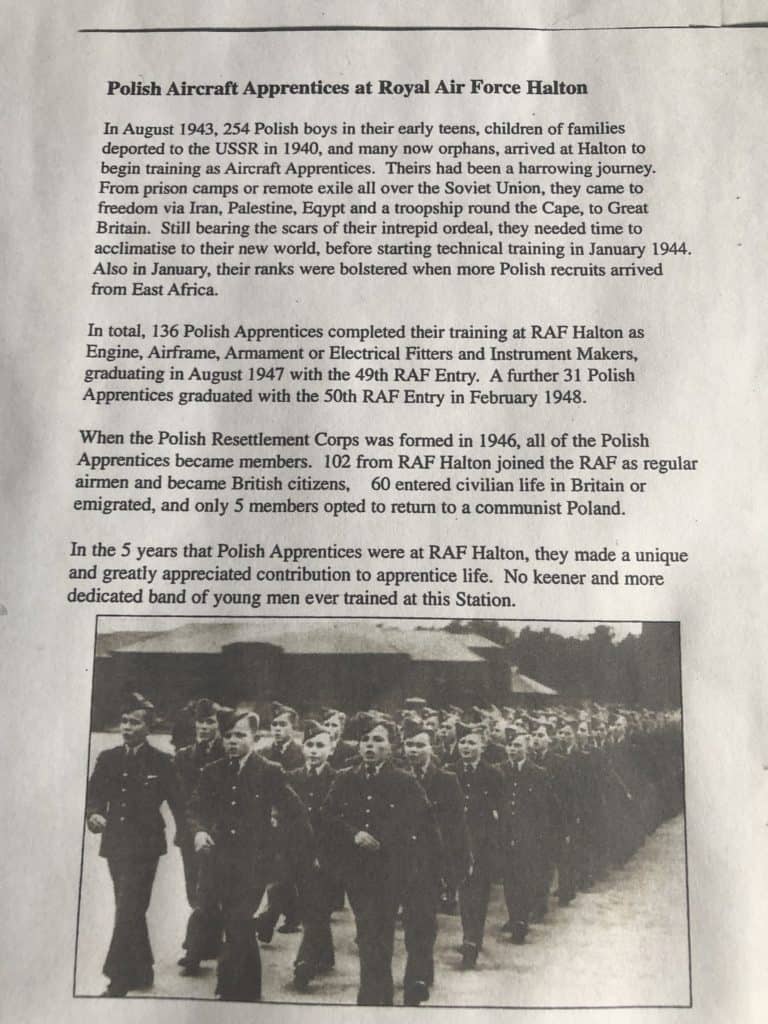
The following account is transcribed from the Polish Aircraft Apprentices display at the Trenchard Museum.
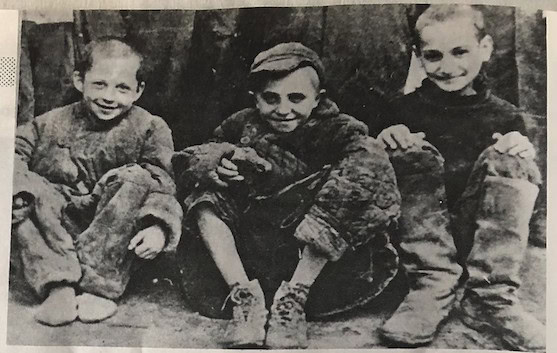
In August 1943, 254 Polish boys in their early teens, children of families deported to the USSR in 1940, and many now orphans, arrived at Halton to begin training as Aircraft Apprentices. Theirs had been a harrowing journey.
From prison camps or remote exile all over the Soviet Union, they came to freedom via Iran, Palestine, Eqypt and a troopship round the Cape, to Great Britain. Still bearing the scars of their intrepid ordeal, they needed time to acclimatise to their new world, before starting technical training in January 1944.
Also in January, their ranks were bolstered when more Polish recruits arrived from East Africa.
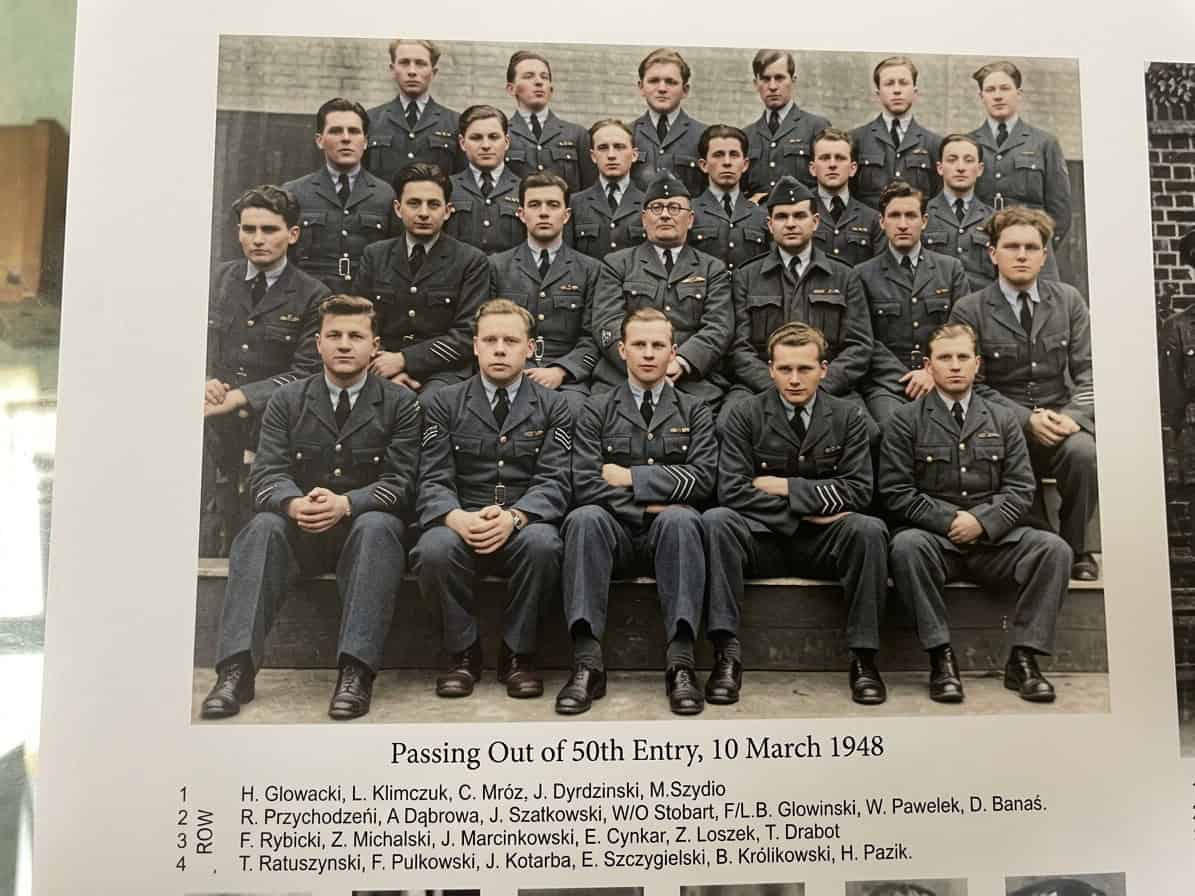
In total, 136 Polish Apprentices completed their training at RAF Halton as Engine, Airframe, Armament or Electrical Fitters and Instrument Makers, graduating in August 1947 with the 49th RAF Entry. A further 31 Polish Apprentices graduated with the 50th RAF Entry in February 1948.
When the Polish Resettlement Corps was formed in 1946, all of the Polish Apprentices became members. 102 from RAF Halton joined the RAF as regular airmen and became British citizens, 60 entered civilian life in Britain or emigrated, and only 5 members opted to return to a communist Poland.
In the 5 years that Polish Apprentices were at RAF Halton, they made a unique and greatly appreciated contribution to apprentice life. No keener and more dedicated band of young men ever trained at this Station.
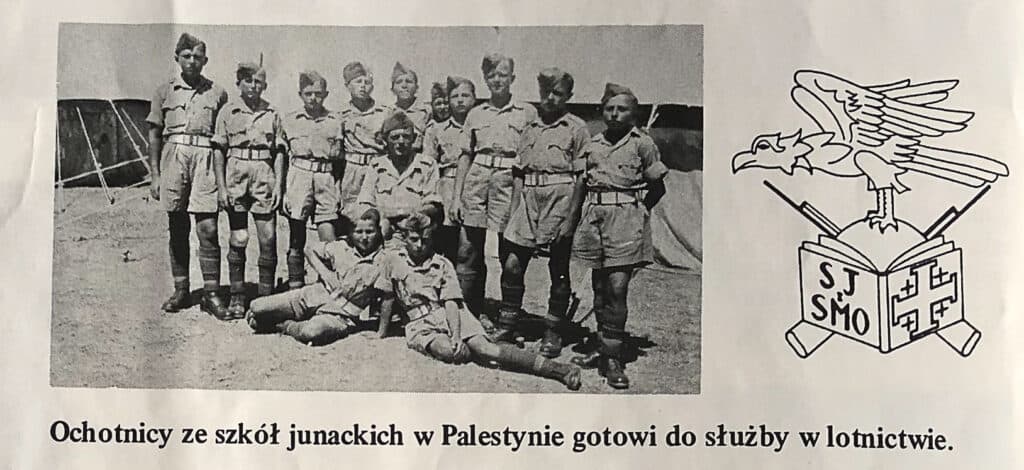
Above: Volunteers from the youth training schools in Palestine ready for service in the air force.
Historical Account Displayed at RAF Halton
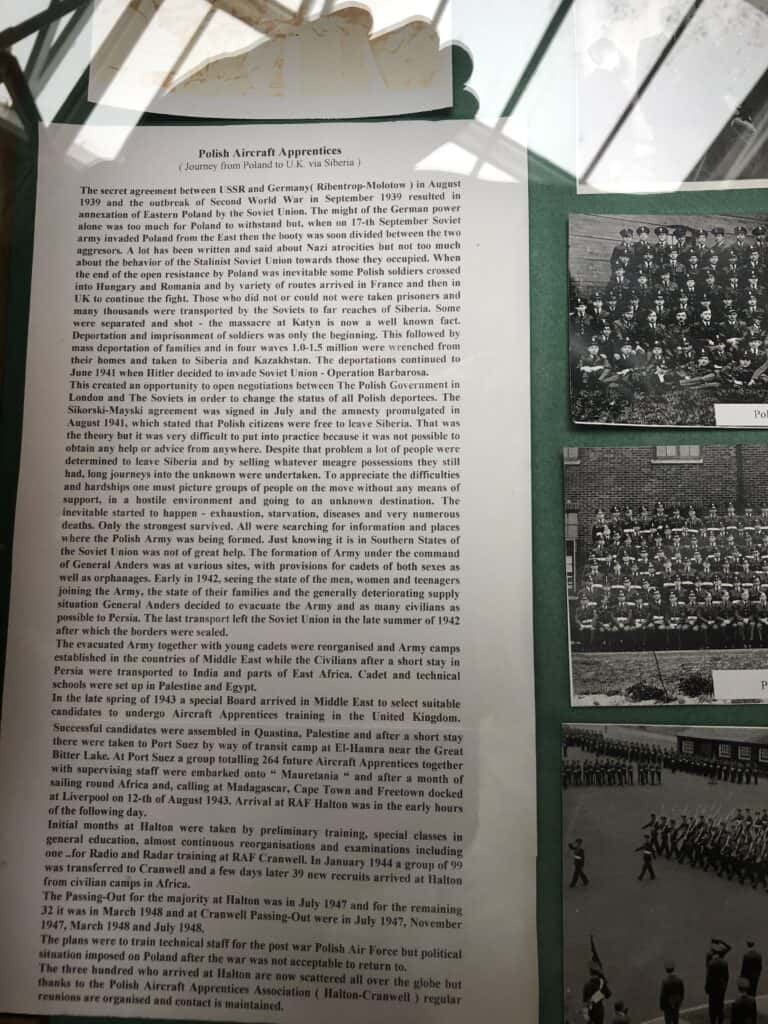
The following text is a transcription of a historical account photographed during our visit. We have preserved the original wording as closely as possible. Because it is a historical source, some terminology, spelling and numerical estimates may differ from modern scholarship or other RAF records.
A transcription from the photo above:
The secret agreement between USSR and Germany (Ribentrop-Molotow) in August 1939 and the outbreak of the Second World War in September 1939 resulted in annexation of Eastern Poland by the Soviet Union. The might of the German power alone was too much for Poland to withstand but, when on 17th September Soviet army invaded Poland from the East then the booty was soon divided between the two aggresors. A lot has been written and said about Nazi attrocities but not too much about the behavior of the Stalinist Soviet Union towards those they occupied. When the end of the open resistance by Poland was inevitable some Polish soldiers crossed into Hungary and Romania and by variety of routes arrived in France and then in UK to continue the fight. Those who did not or could not were taken prisoners and many thousands were transported by the Soviets to far reaches of Siberia. Some were separated and shot – the massacre at Katyn is now a well known fact. Deportation and imprisonment of soldiers was only the beginning. This followed by mass deportation of families and in four waves 1.0-1.5 million were wrenched from their homes and taken to Siberia and Kazakhstan. The deportations continued to June 1941 when Hitler decided to invade Soviet Union – Operation Barbarosa.
This created an opportunity to open negotiations between The Polish Government in London and The Soviets in order to change the status of all Polish deportees. The Sikorsky-Mayski agreement was signed in July and the amnesty promulgated in August 1941, which stated that Polish citizens were free to leave Siberia. That was the theory but it was very difficult to put into practice because it was not possible to obtain any help or advice from anywhere. Despite that problem a lot of people were determined to leave Siberia and by selling whatever meager possessions they still had, long journeys into the unknown were undertaken. To appreciate the difficulties and hardships one must picture groups of people on the move without any means of support, in a hostile environment and going to an unknown destination. The inevitable started to happen – exhaustion, starvation, diseases and very numerous deaths. Only the strongest survived. All were searching for information and places where the Polish Army was being formed. Just knowing it is in Southern States of the Soviet Union was not of great help. The formation of Army under the command of General Anders was at various sites, with provisions for cadets of both sexes as well as orphanages. Early in 1942, seeing the state of the men, women and teenagers joining the Army, the state of their families and the generally deteriorating supply situation General Anders decided to evacuate the Army and as many civilians as possible to Persia. The last transport left the Soviet Union in the late summer of 1942 after which the borders were sealed.
The evacuated Army together with young cadets were reorganised and Army camps established in the countries of Middle East while the Civilians after a short stay in Persia were transported to India and parts of East Africa. Cadet and technical schools were set up in Palestine and Egypt.
In the late spring of 1943 a special Board arrived in Middle East to select suitable candidates to undergo Aircraft Apprentices training in the United Kingdom.
Successful candidates were assembled in Quastina, Palestine and after a short stay there were taken to Port Suez by way of transit camp at El-Hamra near the Great Bitter Lake. At Port Suez a group totalling 264 future AIrcraft Apprentices together with supervising staff were embarked onto “Mauretania” and after a month of sailing round Africa and calling at Madagascar, Cape Town and Freetown docked at Liverpool on 12-th of August 1943. Arrival at RAF Halton was in the early hours of the following day.
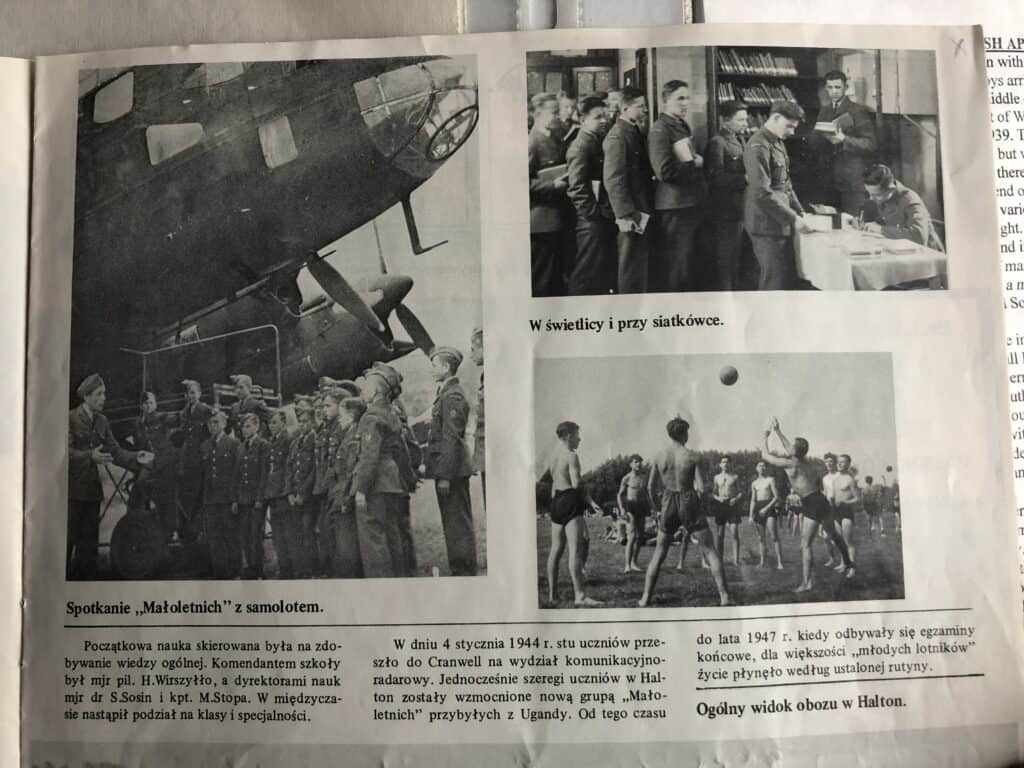
Initial months at Halton were taken by preliminary training, special classes in general education, almost continuous reorganisations and examinations including one…for Radio and Radar training at RAF Cranwell. In January 1944 a group of 99 was transferred to Cranwell and a few days later 39 new recruits arrived at Halton from civilian camps in Africa.
The Passing-Out for the majority at Halton was in July 1947 and for the remaining 32 it was in March 1948 and at Cranwell Passing-Out were in July 1947, November 1947, March 1948 and July 1948.
The plans were to train technical staff for the post war Polish Air Force but political situation imposed on Poland after the war was not acceptable to return to.
The three hundred who arrived at Halton are now scattered all over the globe but thanks to the Polish Aircraft Apprentices Association (Halton-Cranwell) regular reunions are organised and contact is maintained.
Life at RAF Halton During WWII
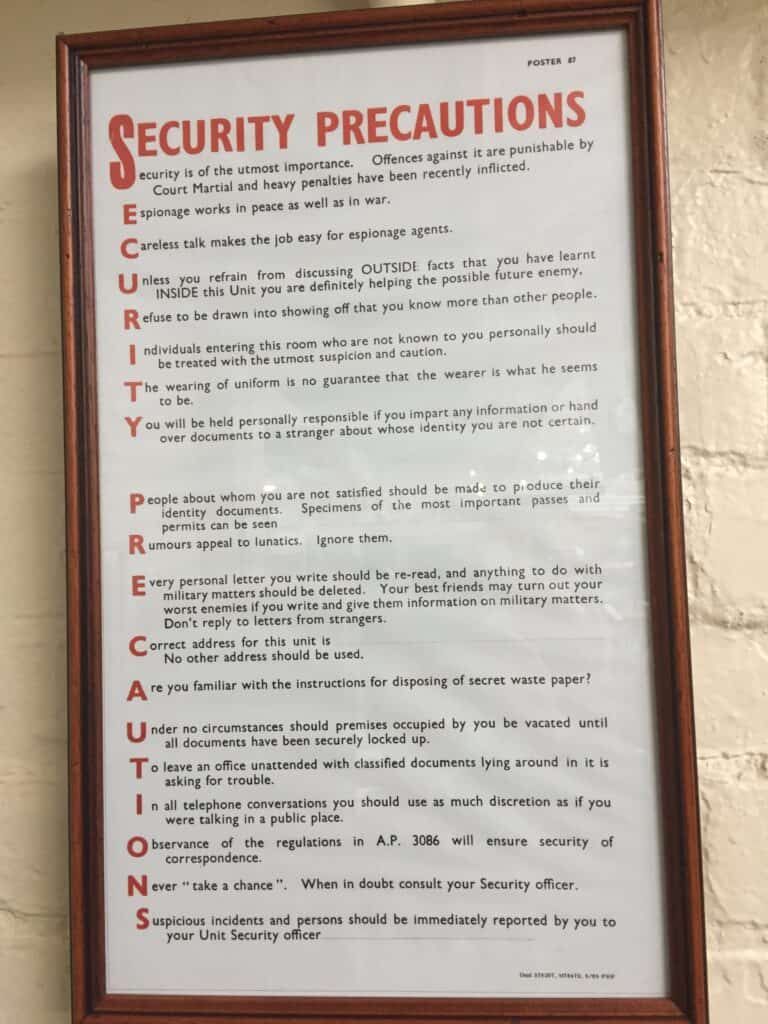
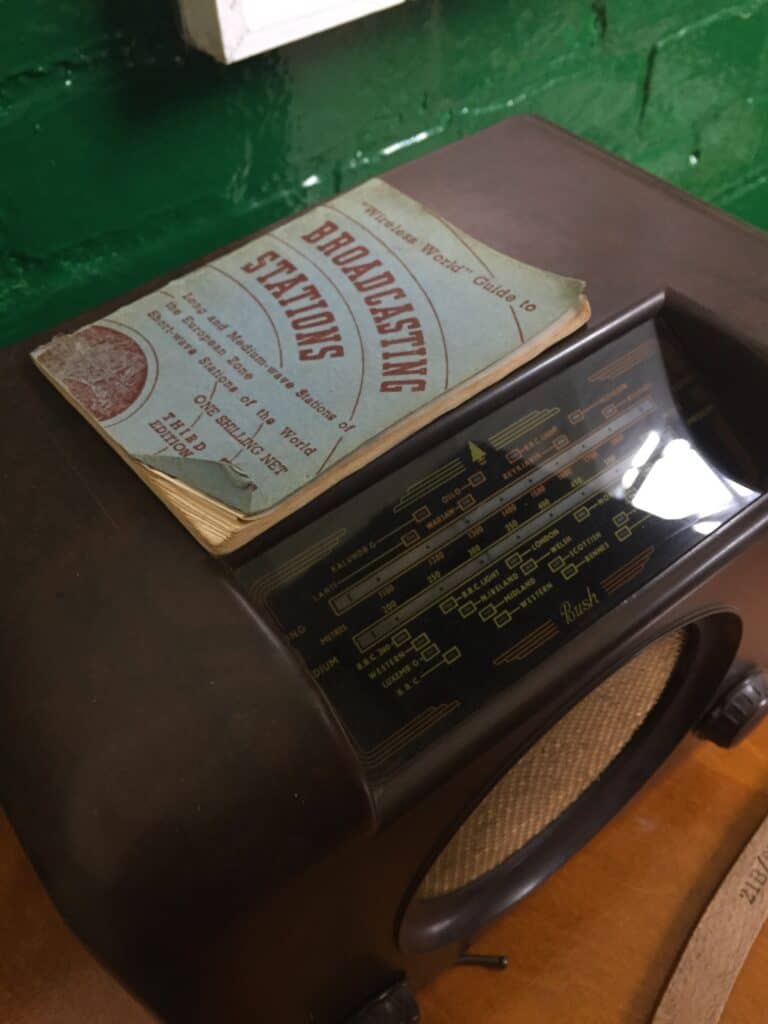
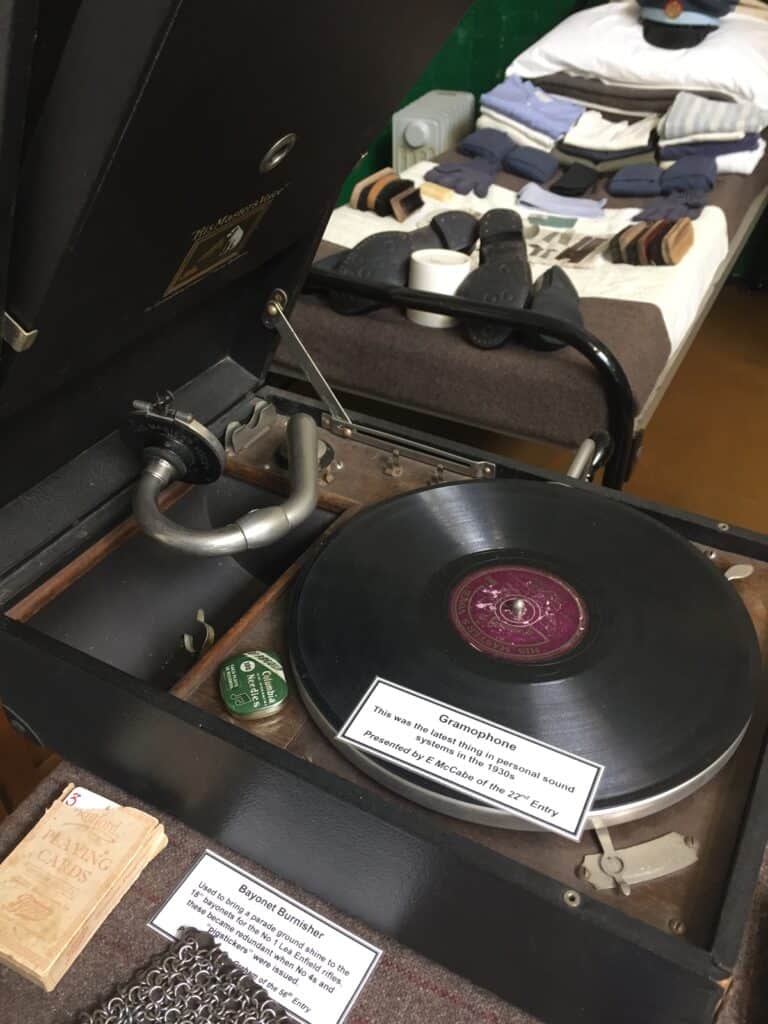
The Trenchard Museum includes a recreated apprentice barracks room that helps illustrate everyday life at RAF Halton. Desks, clothing, personal equipment and period notices provide context beyond the formal training received in classrooms and workshops.
The Apprentices Barracks Room
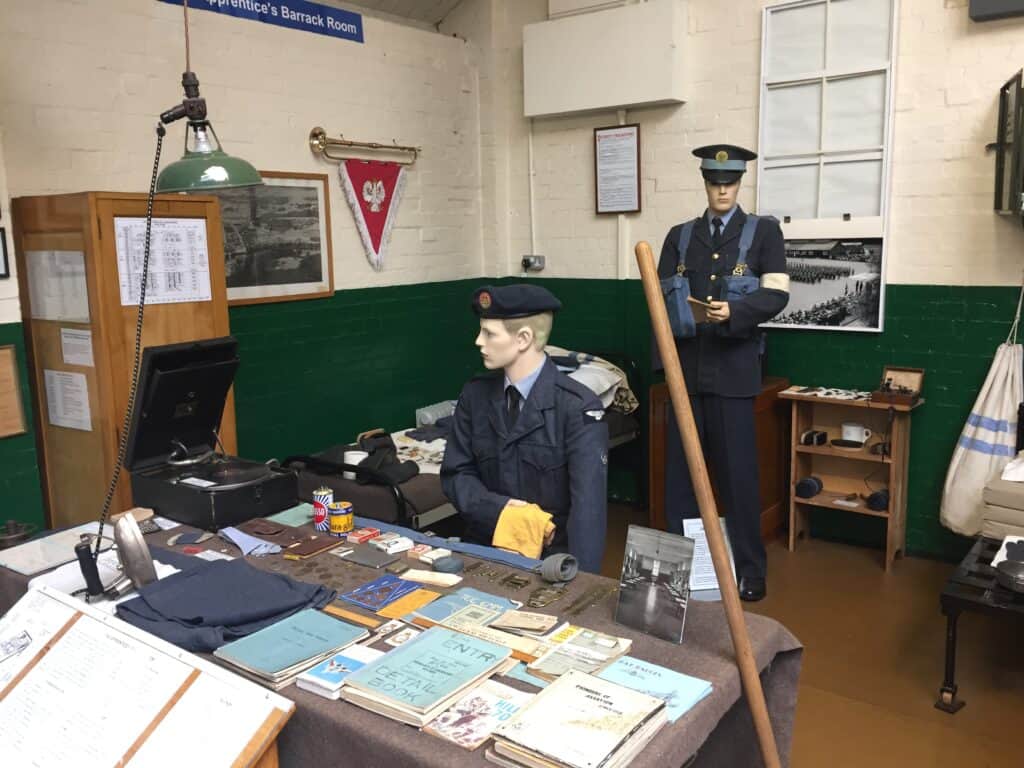
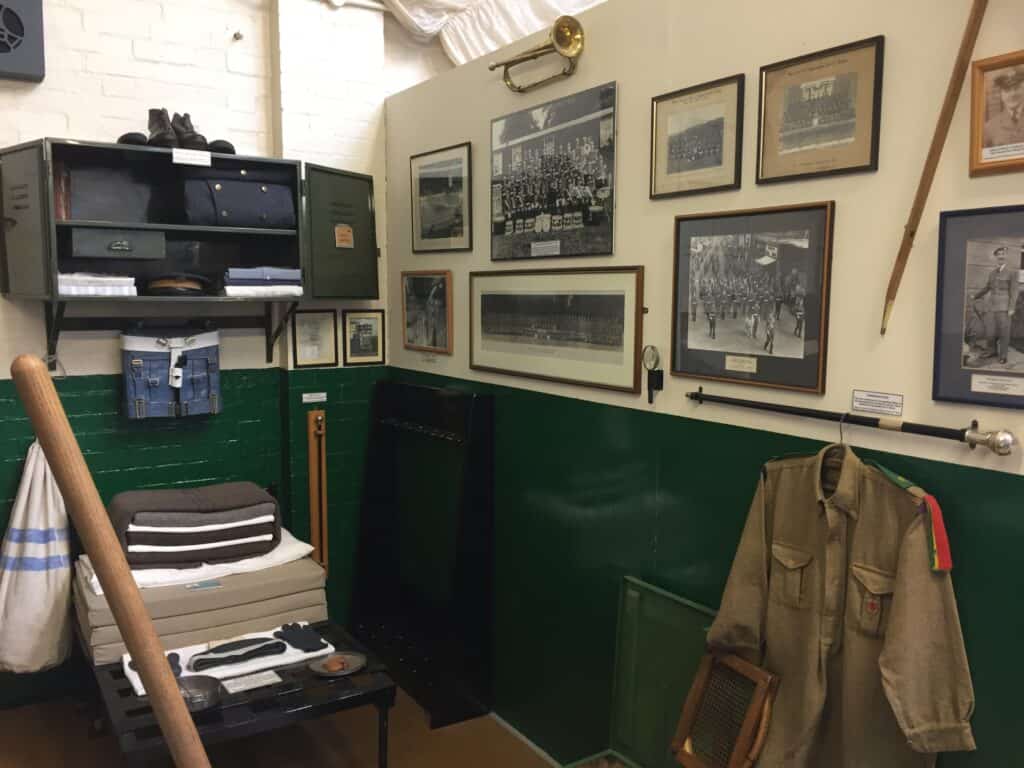
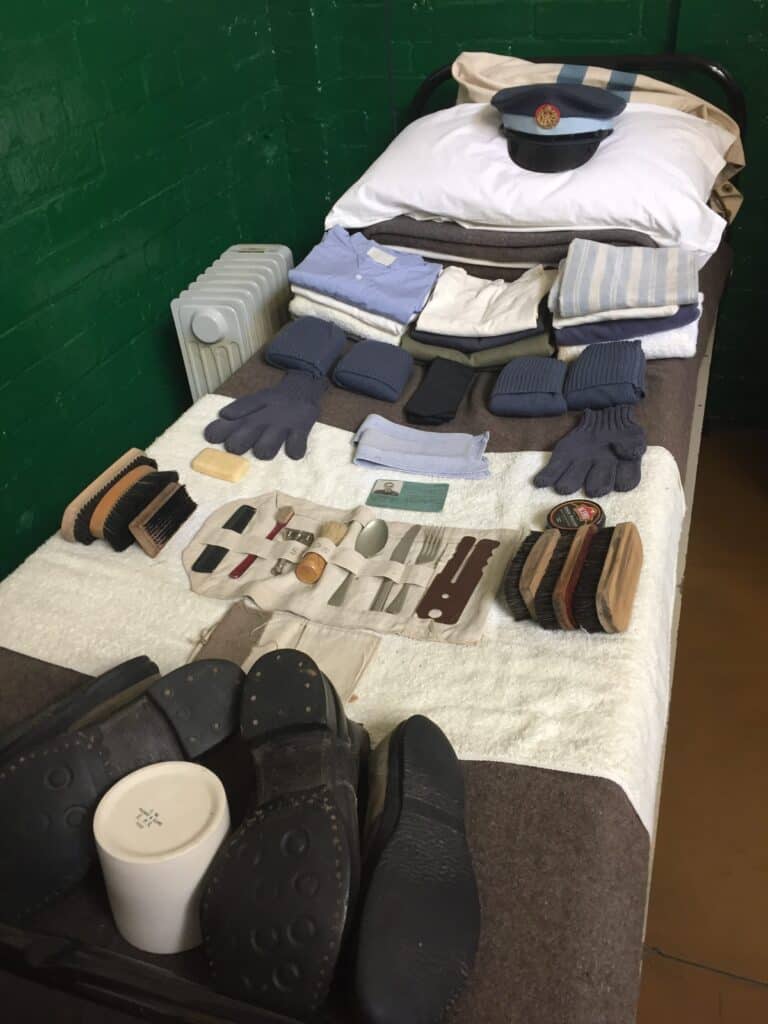
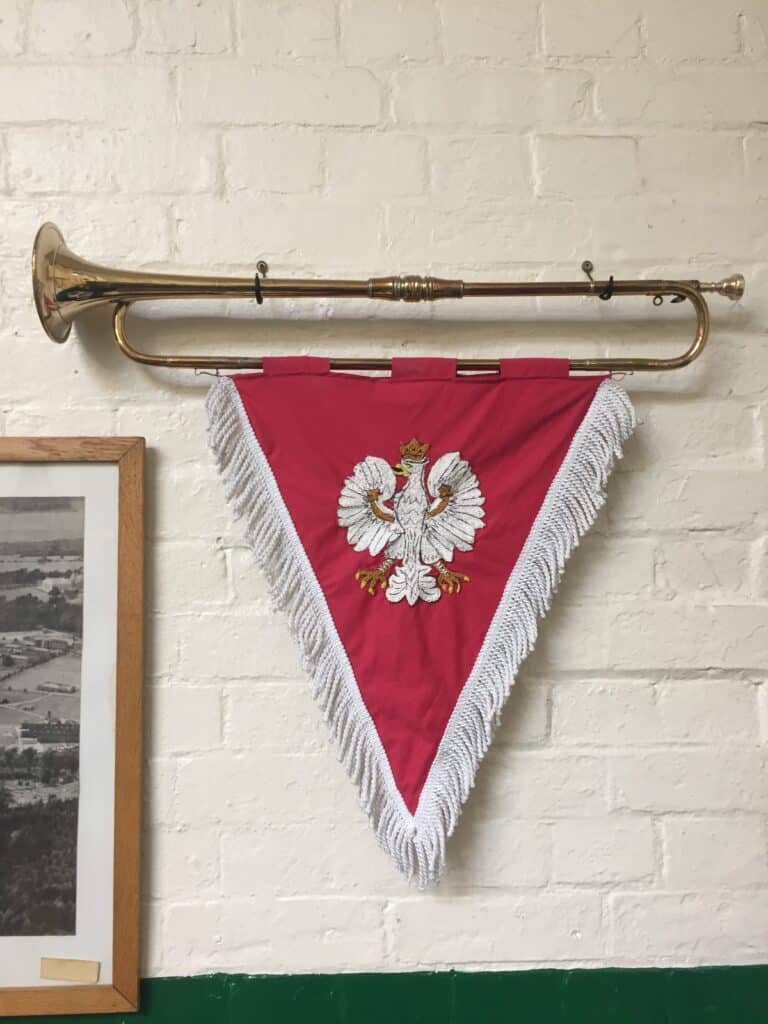
Entertainment Display for RAF Apprentices – WWII Era
Polish Aircraft Apprentices in the Trenchard Museum
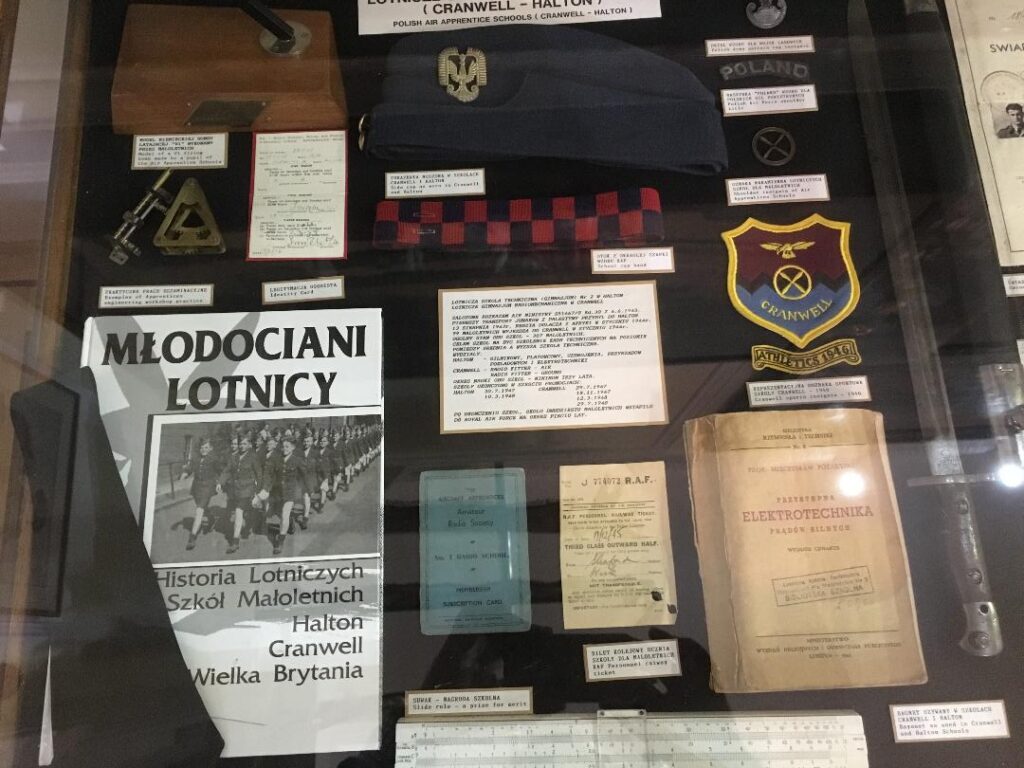
Polish Aircraft Apprentices – Trenchard Museum Display Case
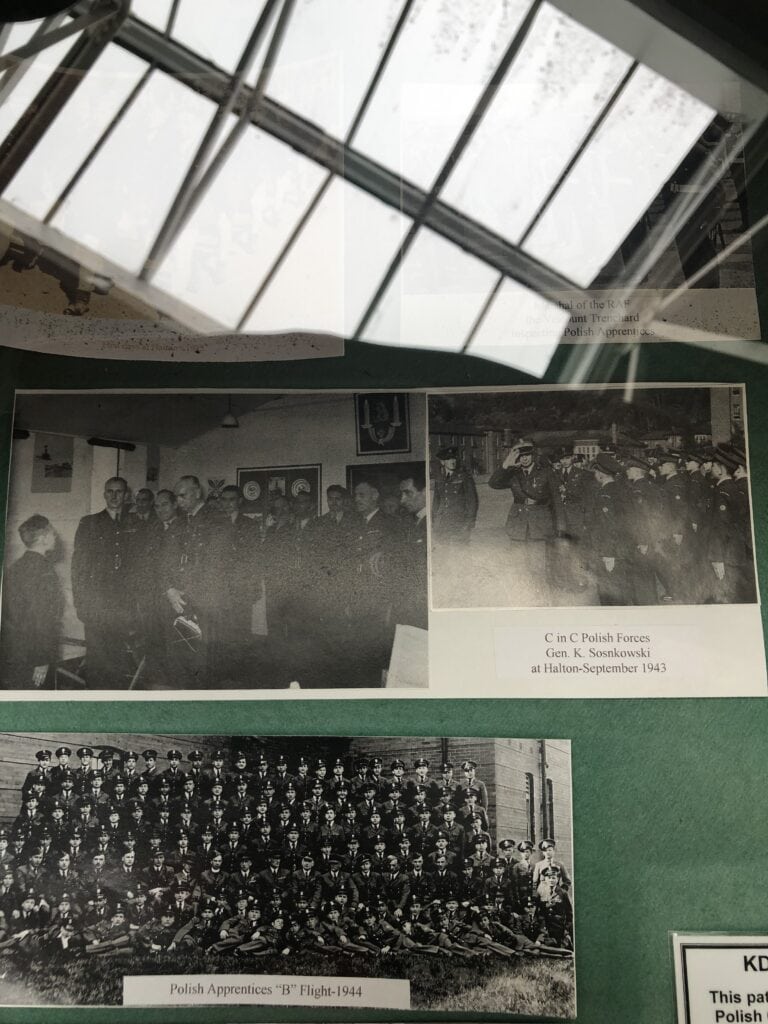
A display case inside the Trenchard Museum preserves photos and documents regarding the Polish Aircraft Apprentices who served during WWII.
What Happened to the Apprentices?
The end of the Second World War did not bring an immediate end to training for the Polish apprentices at RAF Halton. To earn meaningful technical qualifications, they continued their three-year courses after the war was over. In July 1947, 136 Polish apprentices passed out with the RAF’s 49th Entry. A smaller group that had arrived later continued its training and passed out with the 50th Entry in March 1948.
Graduation presented the young men with another major decision: what should they do next? The Poland they had left was now under a communist government, and for most of the apprentices, returning home was not an attractive or practical option. Of those who completed their training at Halton, 102 continued in uniform with the regular postwar Royal Air Force. Another 60 remained in Britain as civilians, receiving assistance from the Polish Resettlement Corps in finding employment. Only five returned to Poland.
For many, the skills learned at RAF Halton provided a foundation for successful lives in Britain. Former apprentices went on to careers in engineering, industry, business and higher education. About 50 later earned advanced educational qualifications, around 20 became chartered engineers, and several established businesses of their own. Although the future they ultimately built was very different from the one envisioned when they first came to Britain, RAF Halton had given these displaced young men both a profession and a new beginning.
By the early 1960s, over half a dozen of these apprentices had made their way to Southern California, where the aircraft industry was prominent. Among these members were my dad and his brother. Growing up, I had the privilege of knowing many of these men, although the importance of their story didn’t fully resonate with me until later in my life.
Remembering the Polish Aircraft Apprentices

Polish Avenue at RAF Halton
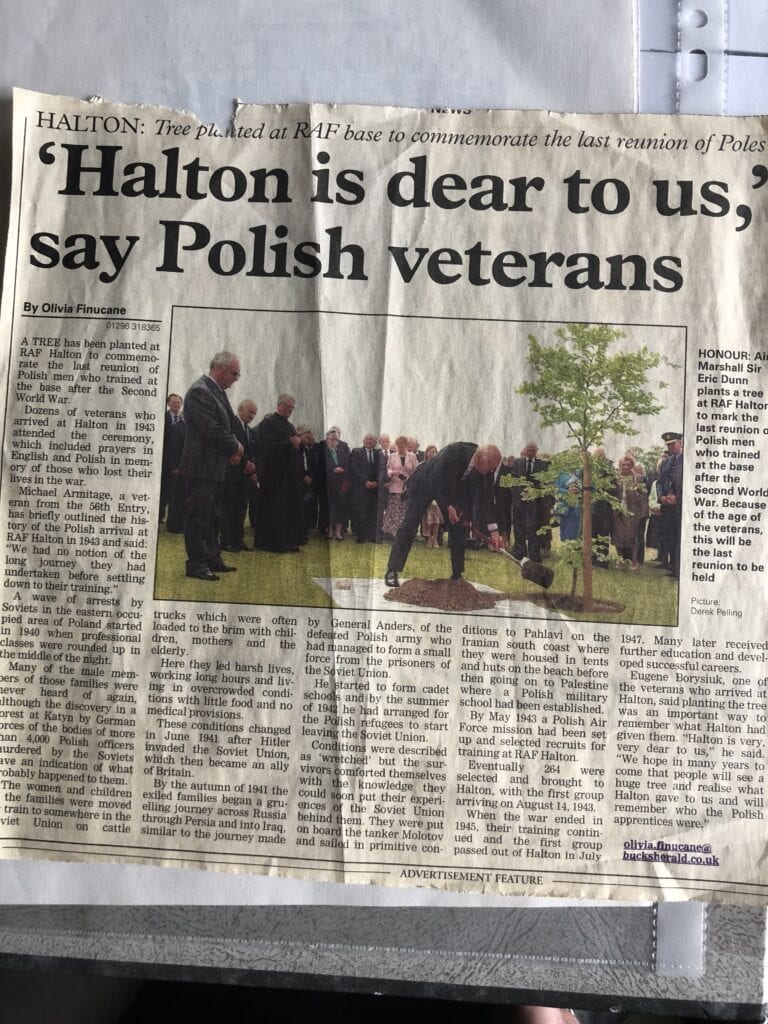
A memorial plaque was unveiled in June 1947. Birch trees were planted on the grounds of RAF Halton by the Polish apprentices in gratitude for their reception and training in Britain.
Polish Veterans Keeping The Memory Alive
Fotorama – September 1983 Reunion
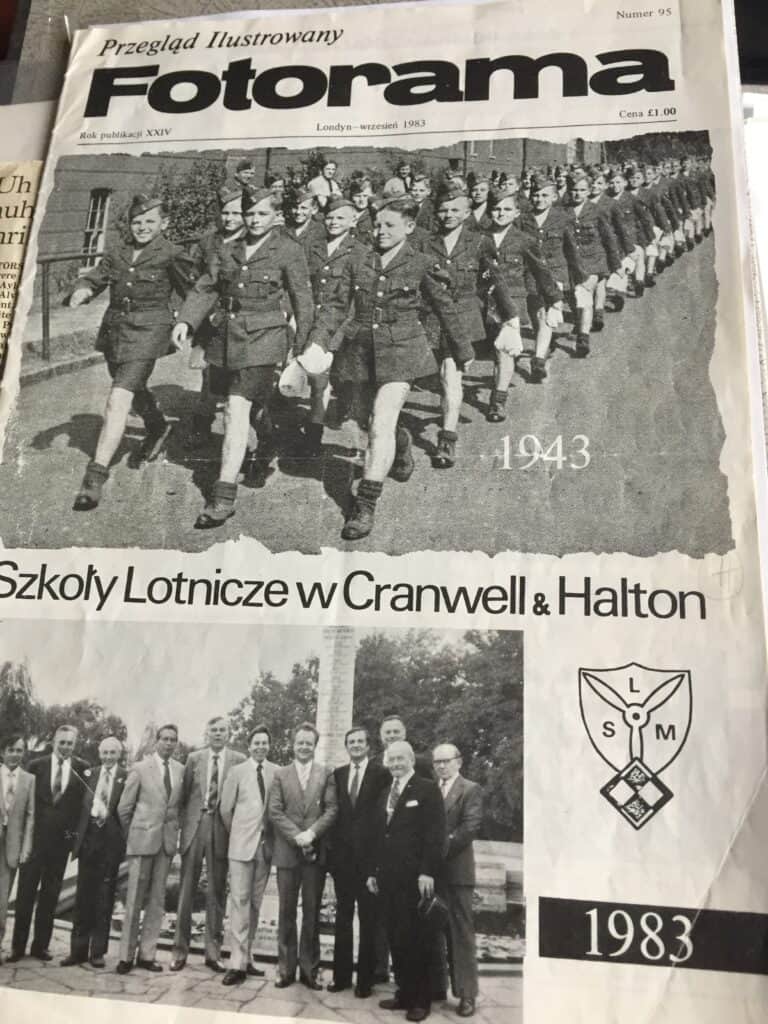
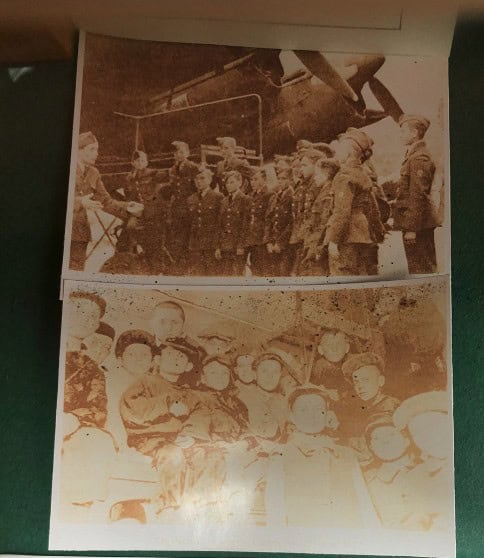
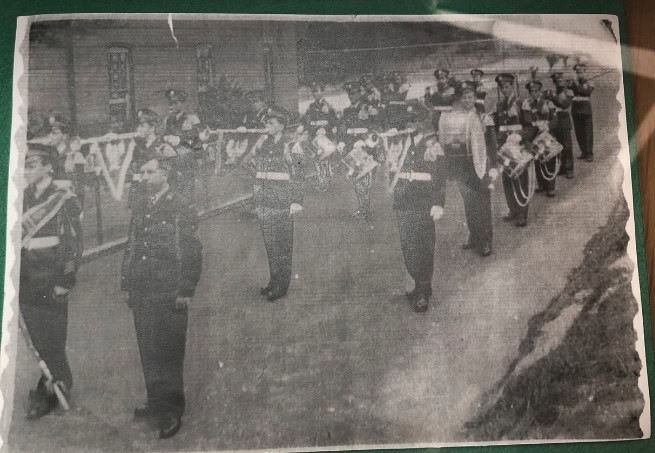
The September 1983 cover of Fotorama commemorated members of the Polish aircraft schools at Halton and Cranwell. The upper photograph shows Polish boys marching in 1943, while the lower photograph shows former apprentices who returned to England four decades later for a commemoration.
Written Documents from Polish Apprentices
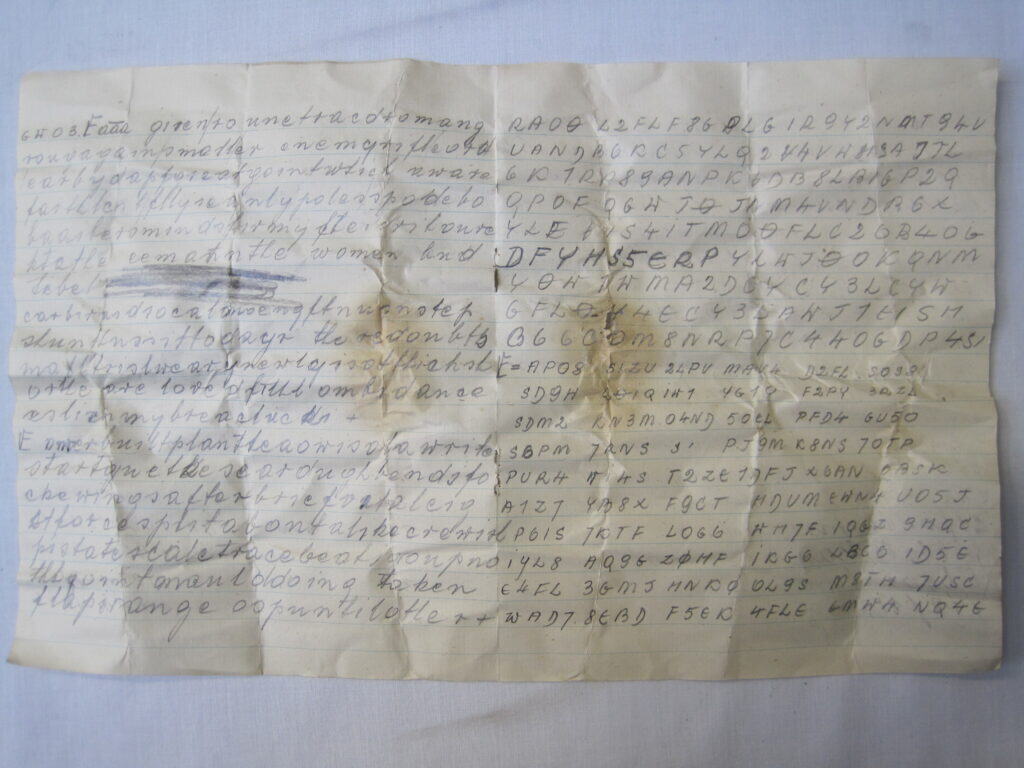
The RAF Halton collection also preserves written accounts created by former Polish Aircraft Apprentices, offering a more personal perspective on their wartime journeys, training, and lives at Halton.
During our visit, we learned of several documents connected to the Polish apprentices that remain a mystery. We explore these documents and their historical context in greater detail in our companion article, RAF Halton Hidden Documents (1944) – A Polish Wartime Mystery, where you can view the images and read more about their origin.
Additional documents related to the RAF Halton Polish Apprentice archives that we’ve included on our website include:
Letter by Eugene Borysiuk – Polish Apprentices at RAF Halton
Memoir of Stefan Arkadjusz Petrusewicz – Polish Apprentice of RAF Halton
Our Family Connection to RAF Halton
Bolesław Dobrucki
My interest in this story goes beyond history. My father, Bolesław Dobrucki, was one of the Polish boys who trained at RAF Halton. Growing up, I heard parts of his wartime journey, but our later research and visit to Halton helped place those family stories into a much larger historical context.
During our visit to the RAF Halton archives, we discovered a collection containing photographs, letters, and accounts connected with the Polish apprentices—including references to my father. That discovery ultimately led us to preserve more of this material here on The Places Where We Go.
Read more: Walking in the Footsteps of Bolesław Dobrucki
Explore our complete Polish Forces at RAF Halton archive
Visiting the Trenchard Museum and RAF Halton Archive
Museum and Archive Visits
As of September 2026, the museum says it is normally open Wednesdays and the second Saturday of each month, 10:00 a.m.–4:00 p.m., and because it is located on an active RAF station, advance booking is required. The archive separately lists Wednesday and Thursday visitor hours.
Important: RAF Halton remains an active military station, so do not simply arrive at the gate expecting museum access. Check the Trenchard Museum’s official website and arrange your visit in advance.
Read our complete guide to visiting the Trenchard Museum at RAF Halton.
Staying Near RAF Halton
Explore nearby accomodations with the interactive map below:
Traveling from overseas? Search flights to London →
Explore flights to London on Expedia
Visiting Britain from overseas? Compare travel insurance options before your trip
.
Planning to combine RAF Halton with other historic sites around Buckinghamshire and southern England? Compare rental-car rates through Discover Cars.
Further Reading About RAF Halton and the Polish Apprentices
Survivors of War: One Family’s Struggle Through World War II (Dan Dobrucki, Walerian Joseph Dobrucki) – This book provides an account of the journey of the Dobrucki family from Poland through the second world war through Russia, the Middle East, England, and ultimately North America. It includes the story of my father, Bolesław Dobrucki and his twin brother Adolph Dobrucki, both who were among the Polish Apprentices at RAF Halton.
Halton Boys (Sean Feast) – A history of the twentieth-century Royal Air Force training program as told by the men who lived it. The RAF Halton Apprenticeship Scheme took the “traditional” idea of an apprenticeship and interpreted it in a novel way. It allowed teenage boys from any social background or geography to learn a technical trade that would equip them for their future lives, within and beyond the RAF. This is the story of Halton told through and by the boys who were there and who are still proud to be called “Trenchard Brats.”
Sources and Further Research
Trenchard Museum / RAF Halton Archive
The Trenchard Museum at RAF Halton preserves and shares the history of RAF Halton, including its long association with technical training and the famous aircraft apprentice program. Its collections, exhibits, and archive provide valuable insight into the people who trained and served at Halton, including Polish personnel who were based there during World War II. Note: We understand RAF Halton, including the museum, may be closing by 2030.
Our sources include: Trenchard Museum, RAF Halton Archive and the Royal Air Force Historical Society article by Air Chief Marshal Sir Michael Armitage
Krzystek’s List – Bolesław Karczmarczyk
Krzystek’s List is an online database documenting Polish Air Force personnel who served alongside the Royal Air Force during World War II. It is an especially useful research resource for tracing individual service members, with entries that may include RAF service numbers, ranks, trades, birth details, and known unit assignments.
Polish Forces at RAF Halton
Related information is archived on our website here: Polish Forces at RAF Halton
